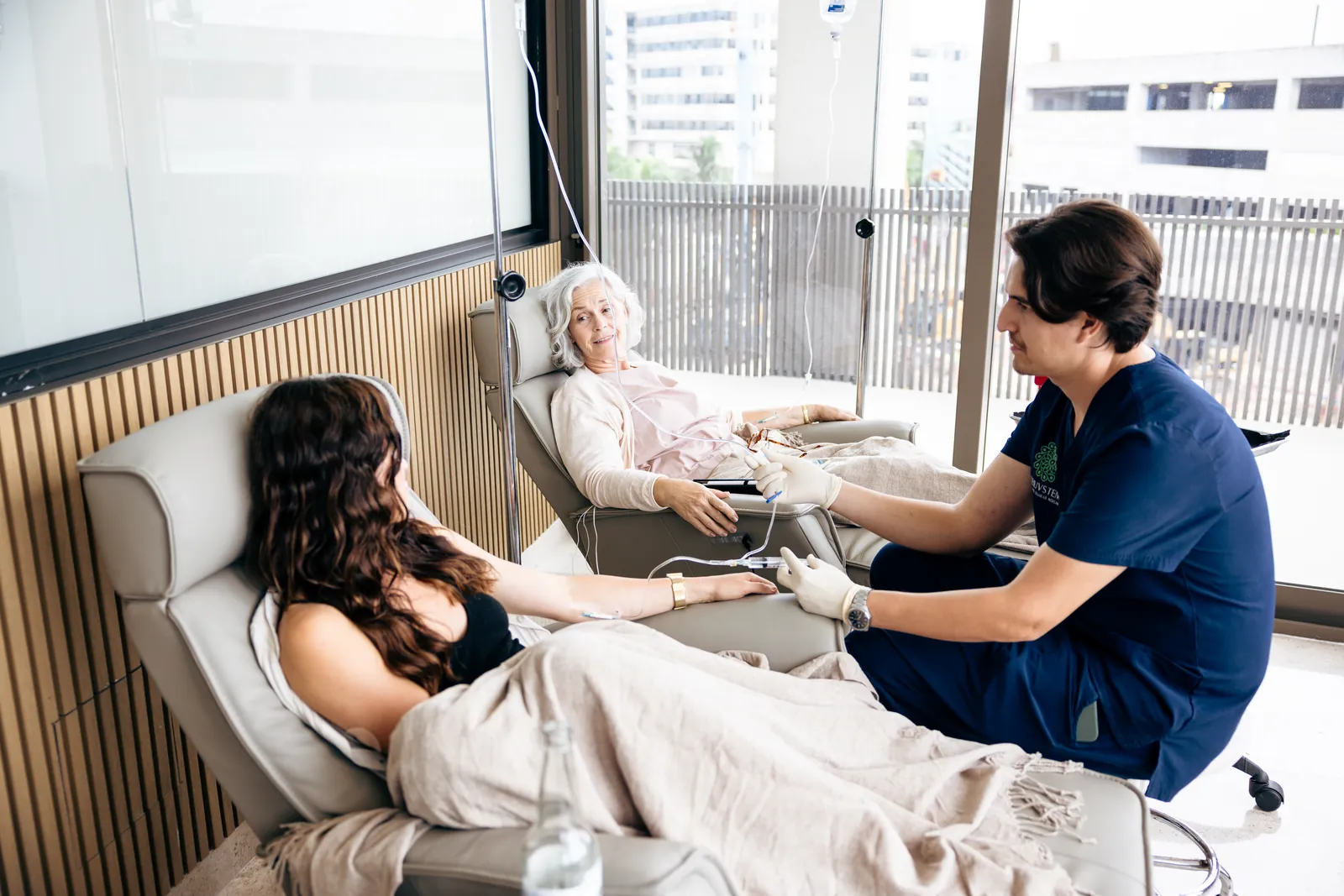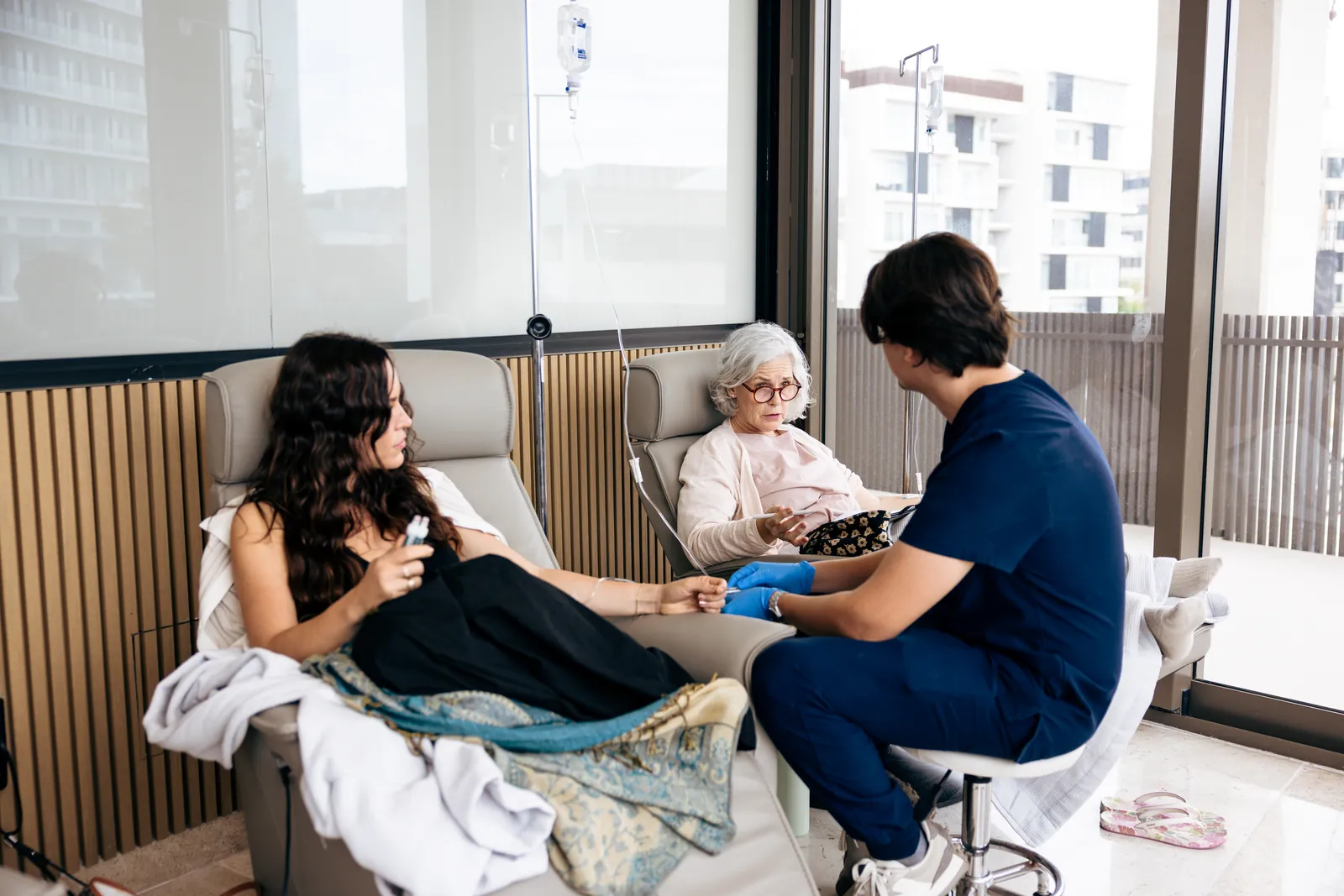


Women’s sexual health rarely arrives as a single, tidy complaint. A woman might describe low desire, but the actual driver is pain during sex she has learned to avoid. She might describe vaginal dryness, but the deeper concern is what that dryness means about her relationship or her sense of herself after menopause. At RejuvStem in Cancun, we treat that complexity as the starting point rather than something to simplify away.
We also want to be honest about something specific to this category. The regenerative evidence for female sexual indications is earlier-stage than for men’s conditions, and it deserves to be said plainly rather than discovered later, not after you’ve traveled to Cancun. Women’s sexual health has been chronically under-researched across medicine generally, and the regenerative literature reflects that broader gap.
Not sure which category your concern falls into? Our Cancun medical team can help you work through it. Request a consultation →
- ✓Female sexual difficulty spans desire, arousal, orgasm and physical comfort, and these frequently affect one another
- ✓The regenerative evidence for female sexual indications is earlier-stage than for men’s conditions
- ✓No published human clinical trial exists for MUSE cells in any female sexual indication
- ✓Established treatments, including local vaginal estrogen and hormone therapy, are well studied and often come first
- ✓RejuvStem in Cancun uses allogeneic MUSE cells as an authorized partner of MuseCell Innovations® in Mexico
- ✓Every patient goes through a medical consultation to determine the right approach for her specific situation
The Five Factors Behind Female Sexual Difficulty
Nearly every concern traces back to one or more of these, and untangling which is doing the actual work is the point of a proper evaluation.
Hormonal changes. Estrogen decline through perimenopause and menopause affects vaginal tissue, lubrication and comfort directly. Testosterone, present and functionally relevant in women, declines gradually with age and more abruptly after surgical removal of the ovaries. Thyroid dysfunction and elevated prolactin affect desire and are simple to test for.
Tissue and structural changes. Genitourinary syndrome of menopause involves thinning, reduced elasticity and reduced blood flow in vaginal tissue, and it is progressive without treatment. Pelvic floor dysfunction, sometimes from childbirth, sometimes unrelated, can cause pain or a sense of looseness. These are physical changes with physical treatments, and they are frequently the actual explanation behind a desire complaint.
Medication effects. This is among the most common causes and the most frequently missed. SSRIs and SNRIs reliably reduce desire and orgasmic capacity in many women. Some hormonal contraceptives affect free testosterone. If a symptom began within months of starting a medication, that timeline is worth examining before anything else.
Medical, Psychological and Relational Factors
Medical and surgical history. Diabetes, cardiovascular disease, cancer treatment, hysterectomy and childbirth all affect sexual function through different pathways — sometimes hormonal, sometimes structural, sometimes both at once.
Psychological and relational factors. Relationship distress, body image, stress, depression and past experience shape desire and arousal as much as any physical factor, and they are not a lesser explanation. Sex therapy has genuine evidence behind it that no injection can replicate.
None of these operate in isolation, which is why our Cancun consultations take the time to work through more than one possibility rather than treating the first plausible answer as the whole picture. A woman who describes low desire may, once the history is taken properly, turn out to have GSM driving discomfort, a medication contributing on top of that, and a relationship strained by both. Addressing only the first thing mentioned rarely resolves the whole picture.
Conditions We Address at Our Cancun Clinic
Vaginal dryness and genitourinary syndrome of menopause. Progressive without treatment, and highly responsive to established options many women have never been offered, including local vaginal estrogen. Vaginal Dryness and Menopause — GSM mechanism and full treatment options →
Low libido and reduced desire. Frequently traces to hormones, medication, physical discomfort or relational factors rather than to sexual tissue itself. Evaluation comes before any treatment discussion. Low Libido in Women — cause identification before treatment →
Painful intercourse. Dyspareunia can stem from tissue changes, pelvic floor dysfunction, endometriosis or other causes, and it reliably suppresses desire as a downstream effect. Painful Intercourse — causes, evaluation and what helps
Difficulty reaching orgasm. Often connects to arousal, medication effects or relational factors rather than a single physical cause. Orgasmic Difficulty and Treatment Options
Postpartum sexual changes. Tissue healing, hormonal shifts and the practical realities of early parenthood all play a role, and the timeline for what’s normal varies considerably. Our Cancun physicians hear from women well past the newborn stage still dealing with unresolved changes nobody addressed at the time. Postpartum Sexual Recovery
Ovarian and reproductive concerns. Premature ovarian insufficiency and related conditions involve some of the earliest-stage regenerative evidence in this category, and we’re candid about that limitation at our Cancun clinic before any consultation begins. Ovarian Rejuvenation and Premature Ovarian Insufficiency
Vulvar and structural conditions. Lichen sclerosus and related vulvar conditions can cause pain, itching and structural changes over time, and they warrant a specific dermatological or gynecological evaluation alongside anything else being addressed. Lichen Sclerosus — symptoms and evaluation
Why Women’s Regenerative Evidence Sits Where It Does
We want to walk through this honestly rather than gesture at it.
The published evidence for regenerative approaches to female sexual dysfunction consists largely of narrative reviews, animal models and registered trial protocols rather than completed human trials with meaningful follow-up and control groups. This is a different position than men’s erectile dysfunction research occupies, where a 2025 meta-analysis in BMC Urology at least had eleven human trials to pool — promising but not conclusive. No comparable body of controlled human trials currently exists for stem cell therapy in female sexual indications specifically.
Related work in ovarian rejuvenation using platelet-rich plasma has produced pilot-level results from small before-and-after studies, without randomized controlled confirmation. Before-and-after designs without a comparison group are particularly vulnerable to results that reflect expectation or natural variation rather than the treatment itself.
On MUSE cells specifically. Dezawa MuseCells® have registered human clinical trial data in stroke, acute myocardial infarction, spinal cord injury, ALS, dystrophic epidermolysis bullosa, neonatal hypoxic-ischemic encephalopathy and ARDS. There is no published human clinical trial for GSM, low libido, dyspareunia, or any other female sexual indication.
We are telling you this on a page whose purpose partly includes attracting patients to our Cancun clinic. We would rather have your trust than a booking made under a misunderstanding of where the science actually stands.
What Changes With Menopause, and What Doesn’t
Perimenopause and menopause bring real, expected changes: less predictable arousal, reduced baseline lubrication, and shifts in desire tied to hormonal fluctuation. None of that is dysfunction on its own.
What is not simply expected: pain during intercourse that persists or worsens, bleeding with sex, a sudden and distressing loss of desire, or symptoms severe enough to affect daily comfort, not only intimacy. Those warrant medical evaluation rather than assumption that nothing can be done, because in most cases something genuinely can.
The Treatment Landscape
Established treatments have real evidence and, for most women, belong at the front of this conversation. Local vaginal estrogen is the best-supported treatment for genitourinary syndrome of menopause and works by reversing tissue changes directly. Systemic hormone therapy addresses broader menopausal symptoms alongside sexual ones. Non-hormonal prescription options exist where estrogen is unsuitable. Pelvic floor physical therapy is established and consistently underused. Testosterone therapy has international consensus support for diagnosed HSDD in postmenopausal women, with appropriate monitoring. Sex therapy has a strong evidence base for desire and relational factors.
Laser and radiofrequency vaginal treatments are contested, with regulatory concerns raised about marketing claims exceeding evidence. PRP-based injections are experimental. Stem cell therapy is investigational, with the evidence limitations described above.
On branded protocols. You will encounter the O-Shot® in your research, a registered trademark of the Cellular Medicine Association describing a specific PRP injection protocol. RejuvStem is not affiliated with, licensed by, or a provider of the O-Shot®. We mention it only so you can compare options accurately, since different clinics use different names for overlapping things.
What Our Consultation Screens For
Every patient goes through a medical consultation before any treatment plan is set. Here is what our Cancun physicians are checking for.
Whether you’ve tried the best-supported established option. Most women who contact us about vaginal dryness or GSM have not tried local vaginal estrogen, or tried it inconsistently. That conversation comes before anything investigational.
Whether a medication is contributing. SSRIs in particular are commonly overlooked as a cause of reduced desire and difficulty reaching orgasm. That belongs with your prescriber, not a decision to make alone.
Whether an underlying condition needs attention first. Untreated thyroid dysfunction, diabetes or depression can all present as a sexual health complaint.
Whether relational or psychological factors are the primary driver. If so, sex therapy has stronger evidence than anything offered at our Cancun clinic, and we’ll say so directly.
Whether your expectations match what any treatment can deliver. Regenerative therapy for female sexual indications sits at an earlier evidence stage than for men’s conditions, and that reality shapes what a responsible recommendation looks like.
Why Women Travel to Cancun
Access. Cancun International Airport offers nonstop service from most major US and Canadian cities, and our Cancun facility is roughly fifteen minutes away.
A defined regulatory framework. Stem cell therapy is legal in Mexico under COFEPRIS. Clinics in Cancun handling cells and tissues require specific authorizations, and physicians must hold a valid cédula profesional, verifiable at cedulaprofesional.sep.gob.mx.
Allogeneic cells. RejuvStem is an authorized partner of MuseCell Innovations® in Mexico. Our Cancun program uses allogeneic MUSE cells — donor-derived and screened, with no harvesting procedure required. We never describe them as autologous.
Time and privacy. Women who come through our Cancun clinic consistently tell our team that having unhurried time to describe symptoms they’d never fully discussed with anyone was itself valuable, separate from any treatment decision. You may be able to find that same thoroughness with a menopause-focused clinician closer to home, and it’s worth trying that route first. Our Cancun team would rather you get that evaluation somewhere convenient than travel internationally for a conversation you could have locally.
Logistics and Follow-Up
Practical logistics. Cancun’s infrastructure supports accommodation across a wide range and a largely English-speaking service sector. Our clinical team works in both English and Spanish. We do not publish treatment pricing, since a genuine figure depends on consultation, though we discuss Cancun travel costs openly.
The honest drawback. Care received in Cancun means follow-up at a distance. For a progressive condition like GSM, ongoing care with a clinician at home matters, and we’d encourage maintaining that relationship rather than treating a single Cancun visit as a substitute for it.
Want an honest assessment of your options? Our Cancun team will ask what you’ve already tried and tell you plainly if established treatment makes more sense. Request a consultation →
What a Cancun Consultation Involves
Not a protocol — a general sequence. Specifics are determined individually.
Before you travel. A remote consultation comes first. Our Cancun physicians ask about medication history, menopausal status, physical discomfort, mood, sleep and relationship context. For many women, this conversation identifies a cause unrelated to anything offered at our Cancun clinic, and we say so when it does.
What to bring. A current medication list with start dates, any recent hormone testing, and a sense of when symptoms began relative to any life change or new prescription. That timeline is often the single most useful piece of information in the room.
On arrival. In-person evaluation happens at our Cancun facility before anything is finalized. You may request a female clinician be present for any examination, and our Cancun clinic operates within a fully certified private hospital, so any concern during your visit can be addressed immediately.
Afterward. Follow-up happens remotely. For a progressive condition, we’d encourage keeping a local clinician involved alongside anything done in Cancun.
What we will not publish here. Session counts, timing, dosages or frequencies — those are individually determined in consultation.
Questions Worth Asking Any Clinic
- •Have you asked what established treatments I’ve already tried?
- •Have you asked about medication, hormones and physical comfort specifically?
- •Is what you’re administering allogeneic or autologous?
- •What published human evidence exists for my specific concern?
- •What is your regulatory authorization number?
- •What is the treating physician’s cédula profesional?
- •Would you tell me if this isn’t the right approach for me?
Frequently Asked Questions
Is low libido in women always hormonal?
Should I try vaginal estrogen before considering anything else?
Is stem cell therapy for women’s sexual health FDA approved?
Can I use vaginal estrogen after breast cancer?
Are your cells allogeneic or autologous?
Do you offer the O-Shot®?
Why do I keep getting UTIs around menopause?
How much does treatment cost?
Do I need a consultation before travelling to Cancun?
What if it doesn’t work?
Is RejuvStem’s Cancun clinic accredited?
Can I bring someone with me to Cancun?
What if more than one factor is contributing to my symptoms?
Are MUSE cells proven for women’s sexual health?
Ready for an honest evaluation? Our Cancun medical team will help identify what’s actually driving your symptoms, and tell you plainly if established treatment is the better first step. Request a consultation →
RejuvStem is an authorized partner of MuseCell Innovations® in Mexico, operating in Cancun. Stem cell therapy for female sexual indications is investigational and is not approved by the US FDA. No published human clinical trial exists for MUSE cells in any female sexual indication. Individual results vary and no outcome is guaranteed. This page is general information and is not a substitute for medical advice from a qualified physician. O-Shot® is a registered trademark of the Cellular Medicine Association. RejuvStem is not affiliated with, licensed by, or a provider of it.