Stem cell treatments are an emerging option for many sports-related and orthopedic problems. By harnessing the body’s own regenerative cells (often mesenchymal stem cells, MSCs), these therapies aim to reduce inflammation, relieve pain, and stimulate tissue repair in damaged joints, muscles, ligaments, and bones. A growing number of studies show MSCs can differentiate into bone, cartilage, tendon and muscle cells and secrete anti-inflammatory factors[1][2]. In practice, MSC injections or infusions have been shown to improve pain and function in osteoarthritis and tendon injuries, for example[3][4]. A sampling of conditions helped by stem cell therapy includes:
- •Arthritis (osteoarthritis) and related joint degeneration, tendonitis, bursitis and chronic joint inflammation
- •Cartilage damage (e.g. meniscus tears) and joint injuries of the knee, hip, shoulder and spine
- •Tendon and ligament sprains or tears (including rotator cuff injuries and other soft-tissue tears)
- •Muscular injuries and repetitive strain (e.g. tendonitis, golfer’s/tennis elbow)
- •Chronic, persistent pain (e.g. failed relief from injections or surgery) and nerve pain (sciatica)
- •Fractures or non-unions and other bone-healing complications
- •Foot/ankle conditions like plantar fasciitis
Medical evidence supports these benefits. For example, osteoarthritis is characterized by cartilage loss and inflammation that cannot self-heal. Recent meta-analyses have found that intra-articular MSC injections (into the joint) “significantly improve knee pain and dysfunction” in osteoarthritis[3]. In a large systematic review (8 randomized trials, 502 patients), patients receiving MSC injections for knee OA had markedly better pain, stiffness and function scores at 6–12 months than control patients[3][5]. MSCs act by differentiating into cartilage cells and by secreting anti-inflammatory growth factors, thereby slowing degeneration and promoting tissue repair[1][6]. In short, for arthritis, tendonitis or bursitis (inflammation of a joint or its bursa), stem cells can both rebuild damaged tissue and dial down chronic inflammation, leading to lasting pain relief[1][6].
Tendon, Ligament & Rotator Cuff Injuries
Sports often damage tendons and ligaments (the connective tissues around joints). Standard treatments (rest, physical therapy, steroids) may give only temporary relief. Clinical studies show MSC injections can accelerate tendon and ligament healing. For instance, a systematic review of tendon disorders (rotator cuff, tennis elbow, Achilles, etc.) found that cell therapy “showed promising results” and was safe[7]. In rotator cuff tears (shoulder), multiple comparative trials reported that adding stem cells to a standard repair lowered the re-tear rate and pain versus repair alone[4]. Tendon MSCs deliver fibroblastic and growth signals to tendons, boosting collagen synthesis and neovascularization in the injured tissue[8][2]. In practical terms, patients with tendonitis or ligament sprains (ankle, knee, wrist, shoulder) often report faster functional recovery after MSC therapy than expected.
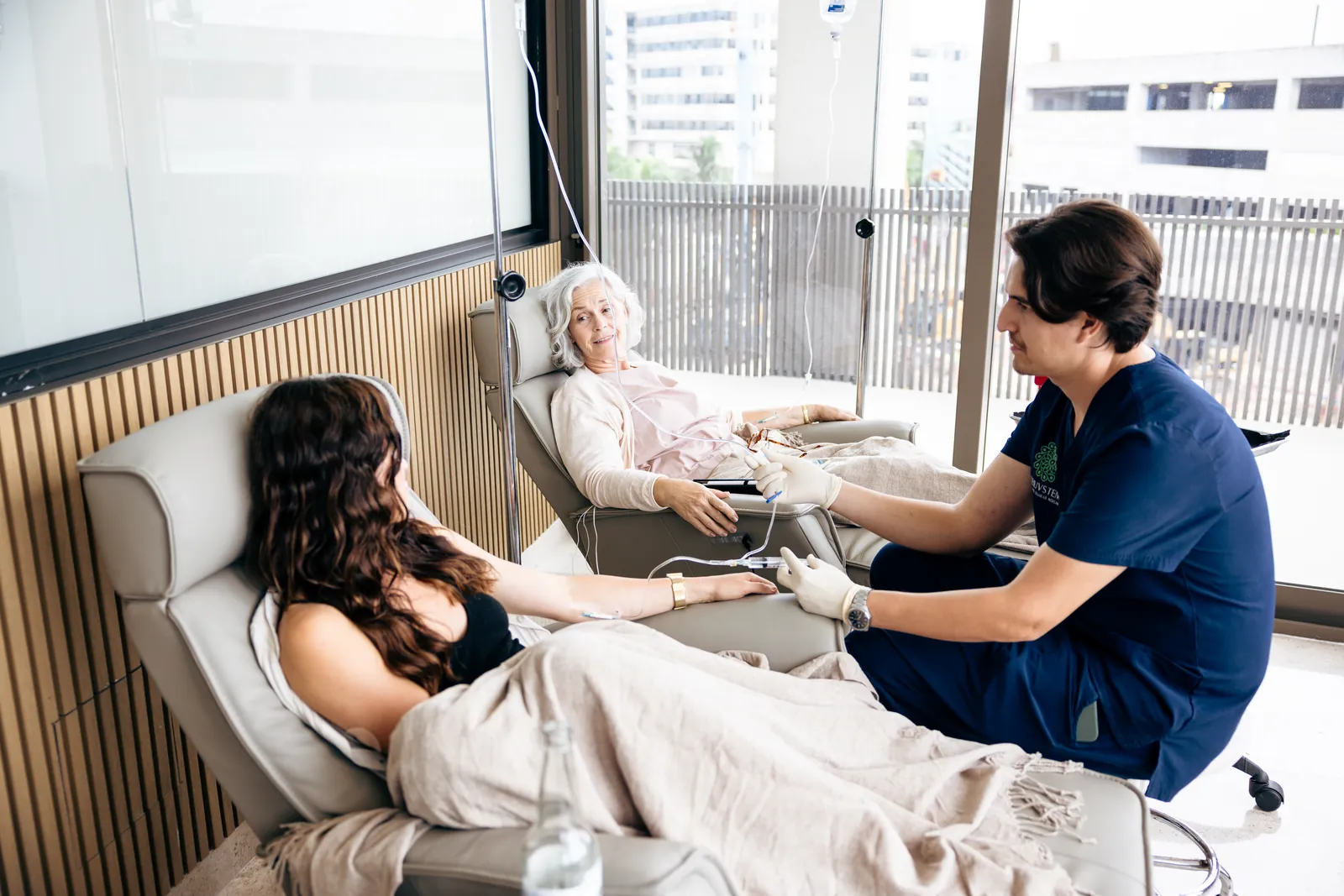
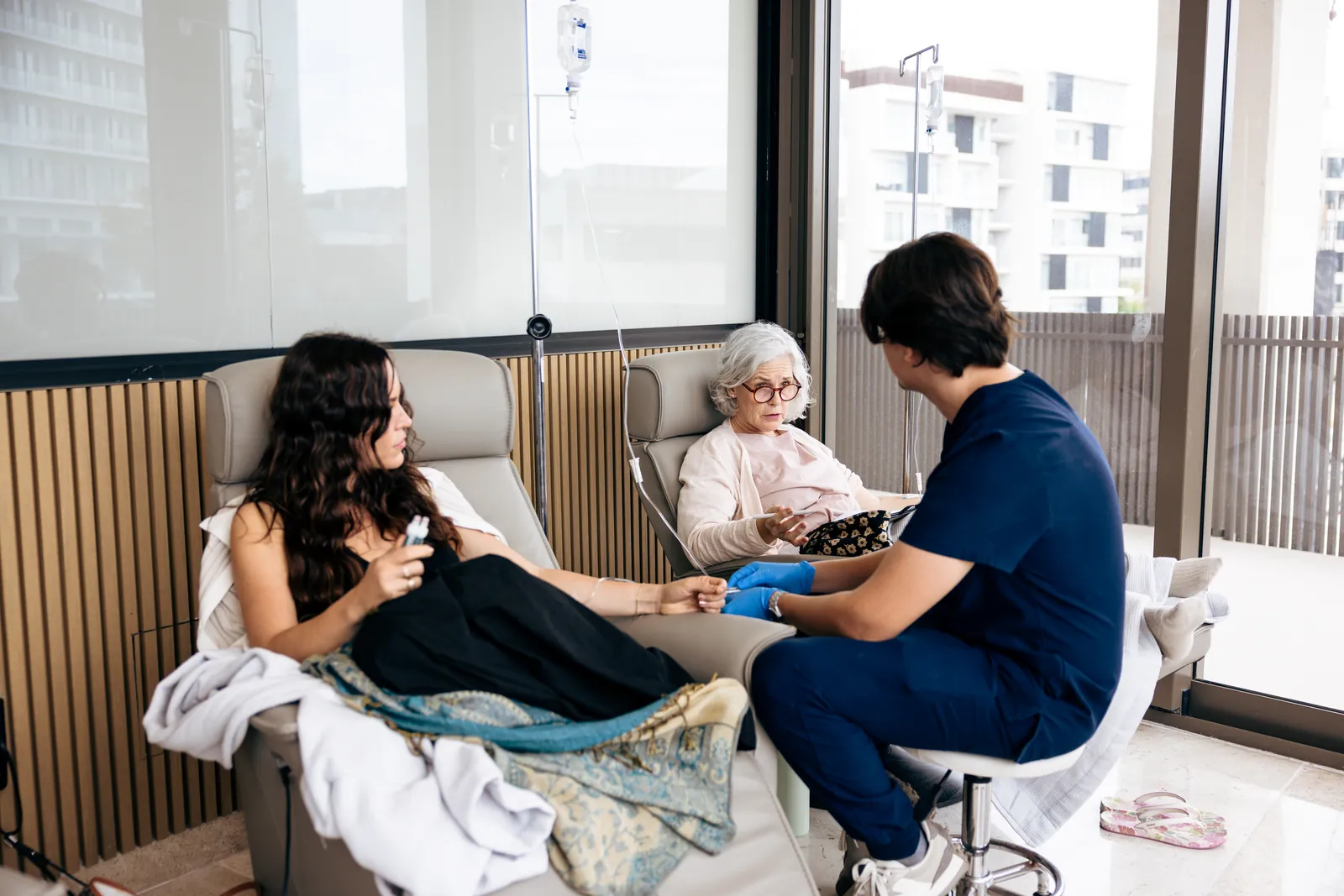
Moreover, MSCs can be delivered both locally (injected right into the injured tendon or joint) and systemically (IV infusion to circulate through the body). At RejuvStem Cancún, for example, patients often receive a dual approach: targeted joint/tendon injections plus a potent IV infusion of MSCs. This maximizes local repair while giving a general regenerative boost. (Importantly, specialized Muse cells – a unique pluripotent MSC subset – are used at RejuvStem; these cells are known to home to injury signals and survive long-term with strong anti-inflammatory effects[9][10].)
Shockwave therapy is another tool that can complement stem cells. Applying low-energy shockwaves to a joint or tendon is shown to trigger blood flow, stem-cell activity and anti-inflammatory signals[11][12]. At RejuvStem Cancún, patients often combine stem-cell injections with shockwave sessions. Research indicates shockwaves can enhance MSC homing and proliferation – for example, studies report shockwave treatment significantly increases MSC migration into injured tissue and releases healing factors[11][12]. In practice this means tendons or ligaments heal more robustly: less scar tissue forms and strength recovers faster.
Meniscus Tears & Knee Injuries
Knee injuries are common in sports – meniscus tears, ACL/MCL strains, cartilage damage. Meniscal cartilage, being largely avascular, heals poorly on its own. Stem-cell approaches can make a big difference here. A recent review of meniscus repair found “encouraging results” in clinical trials using MSCs[13]. Most patients treated with meniscus stem-cell therapy saw “knee joint function improvement and pain relief,” according to MRI and outcome scores[13]. In severe cases like ACL tears or combined ligament-meniscus injuries, patients at RejuvStem have reported returning to sports after guided rehab. For example, a 30-something patient with a torn ACL was told stem cells “gave [him] his life back,” noting pain-free mobility and stronger stability after treatment. (Although individual outcomes vary, these stories echo the published finding that stem cells can alleviate pain and help regenerate meniscal tissue[13].)
Physiologically, MSCs injected into the knee can differentiate into meniscus-like cells or signal the body’s own repair cells to rebuild cartilage and ligament fibers[1][13]. They also reduce inflammatory cytokines in the joint, which speeds healing and reduces swelling (this is similar to their role in osteoarthritis). For injuries like MCL/LCL sprains or multi-ligament trauma, surgeons are experimenting with stem-cell “augmentation” of grafts. Early data suggest that adding MSCs to a ligament repair or graft can improve the integration of the new tissue. While large-scale trials are still forthcoming, the biological rationale is strong: stem cells bring extra osteogenic and chondrogenic cells to the healing site[9][14].
Chronic Pain, Repetitive Strain & Sciatica
Even when structural damage is treated, many athletes suffer chronic pain that lingers in joints, back or nerves. Stem cell therapy offers new hope for these persistent pain syndromes. On the one hand, MSCs modulate inflammation – they secrete molecules that switch off chronic inflammation and fibrotic scarring[6]. On the other hand, they can directly regenerate nerve and soft tissue damage that perpetuates pain.
Notably, recent analyses of neuropathic pain (pain from nerve injury, such as sciatica or radiculopathy) show stem cells can have powerful effects. A bibliometric review of stem-cell use in neuropathic pain concluded that “stem cells have shown remarkable efficacy in handling and repairing neuropathic pain rather than temporary analgesia”[15]. In other words, instead of merely numbing pain, stem cells help heal the underlying nerve injury. For example, in spine or sciatic nerve compression, injected MSCs can reduce local inflammation and secrete neurotrophic factors that support nerve survival and repair. In practice, many RejuvStem patients report gradual relief of sciatica or nerve impingement symptoms after treatment. One patient noted he could stand and walk through dance events pain-free for the first time in years within weeks of therapy.
Repetitive strain injuries (like tennis elbow, wrist or shoulder strains from overuse) are essentially a milder, chronic form of tendon injury. Stem cell therapy for these conditions follows the same principles: calm the constant inflammation and rebuild micro-tears. Because MSCs can be injected safely into small tendons and nerves, even people with “burn-out” shoulder or elbow pain have become candidates when other treatments failed.
Key benefits: Across all these scenarios (arthritis, tendonitis, meniscus tears, nerve impingement, etc.), studies consistently note that MSC treatment “significantly improved pain, function, and quality of life”[3][13]. Patients typically undergo a protocol of 1–2 infusion/injection sessions and then follow a focused rehab program. Improvement often emerges over weeks to months as the cells do their work. Importantly, no long-term adverse effects have been found in these trials[7][14] – meaning stem cells are generally very safe.
Fractures & Bone Healing
Stem cells are not limited to soft tissues – they can also aid bone healing. Persistent fracture non-unions or slow-healing fractures are challenging to treat. MSCs can serve as potent osteogenic (bone-forming) seeds. They can differentiate into osteoblasts (bone cells) and secrete factors that stimulate vascular ingrowth and callus formation.
Clinical reviews of MSCs for non-union fractures show promising results. One systematic review found that MSC therapy (often combined with scaffolds) raised bone-healing rates at 3–6 months versus standard grafts[14]. In that analysis, patients receiving MSCs had 90% union by 9 months, with faster time-to-union on average. The pooled data showed significantly shorter healing times (by over half a month on average) and fewer complications when MSCs were used[14]. The authors concluded that MSCs are a “potential adjunct therapy for patients with non-union fractures”[16]. Similarly, another recent review noted that in dozens of trials, MSCs “demonstrated significant effect on bone healing” in fracture non-union cases[17].
In practice, fracture patients at RejuvStem often receive a local injection of MSCs at the injury site (sometimes during surgical revision) plus IV cells to boost systemic repair. As with joint injuries, the MSCs enhance the “diamond concept” of bone healing (cells, growth factors, scaffold, stability). Patients with delayed unions often report gradual pain reduction and radiographic evidence of bone bridging after stem cell therapy.
Why RejuvStem Cancún is the Best Stem Cell Sports Injury Clinic in Mexico
For athletes or active patients seeking regenerative care, RejuvStem Cancún stands out as a leading choice. RejuvStem is accredited and uses high-quality allogeneic Muse cells (a special MSC subtype) grown under strict GMP conditions. Muse cells are unique: they are pluripotent-like, non-tumorigenic stem cells that home to injury signals (like sphingosine-1-phosphate) and differentiate into needed tissues[9][10]. They also survive longer in damaged tissue, so their anti-inflammatory and healing effects are sustained[10]. In practical terms, this means RejuvStem patients receive “true stem cells” at an optimal dose and purity. “Unlike many clinics, RejuvStem uses authentic Muse cell protocols – genuine high-potency MSCs – prepared in their own GMP lab,” which translates to stronger outcomes.
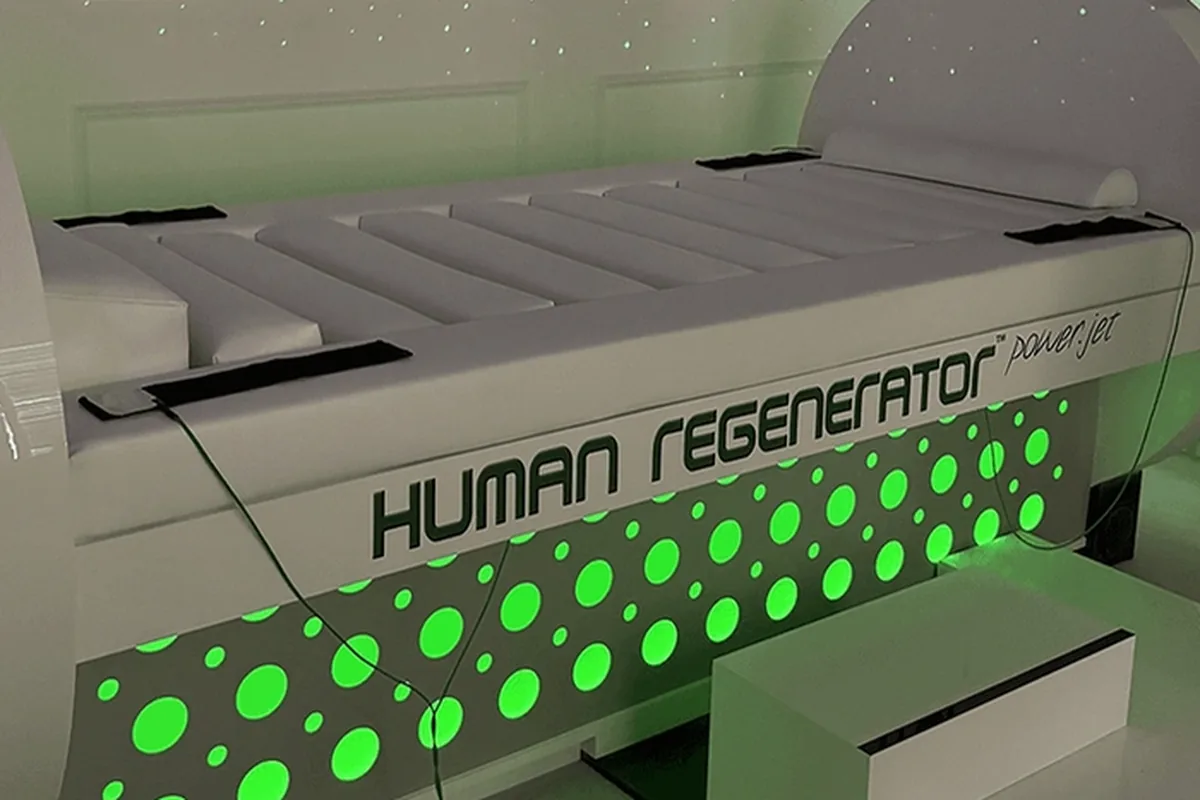
RejuvStem’s multi-modality protocol maximizes healing. Every patient undergoes a personalized treatment plan. For example, a multi-joint athlete might get both intravenous infusions and targeted injections. IV delivery floods the body with cells that seek out hidden injuries, while local injections concentrate cells at the worst-affected sites (knees, shoulders, spine, etc.). In fact, research on Muse cells confirms that “intravenous injection is the main route” because Muse cells can home from the bloodstream to every damaged tissue[18]. RejuvStem combines this with adjunct therapies: hyperbaric oxygen therapy and shockwave sessions are used to supercharge the MSCs. (Peer-reviewed studies show shockwave treatment converts mechanical energy into growth signals, attracting more stem cells and ramping up angiogenesis and anti-inflammation[11][12].) The result is a comprehensive regenerative treatment that focuses on the root injuries rather than just masking pain.
The proof is in the results. Real patient stories from RejuvStem are compelling. For instance, one 67-year-old patient had “chronic knee pain for years,” but after a Muse cell program at RejuvStem he now walks pain-free again, and even follow-up MRI revealed improved cartilage. Another patient who tore his ACL feared the end of his sports days; after targeted MSC injections and guided rehab, he reports he’s “back and stronger than ever,” able to play at a higher level than before. These outcomes mirror the clinical evidence above: lasting pain relief, real tissue repair, and return to full activity (instead of a temporary fix). Patients note dramatic improvements – one described standing pain-free at an event for the first time in two years just weeks after treatment.
Why go to RejuvStem Cancún? RejuvStem offers a turnkey experience for international patients: they handle travel, lodging, and provide expert medical care from start to finish. The medical team includes experienced regenerative physicians who specialize in sports and orthopedic injuries. Their proprietary protocol (IV MSCs + joint injections + rehab + advanced support therapies) is designed to give every patient the best chance of healing. It’s why many consider RejuvStem Cancún the “best stem cell sports injury clinic in Mexico.” If you’re suffering from an injury or chronic condition that hasn’t fully healed, it may be worth exploring this cutting-edge option. Under expert care, you could join the growing list of athletes and patients who have reclaimed their bodies and gotten back to the activities they love.
References
- 1.Efficacy and safety of mesenchymal stem cells in knee osteoarthritis: a systematic review and meta-analysis of randomized controlled trials – Stem Cell Research & Therapy
- 2.Cell therapy efficacy and safety in treating tendon disorders: a systemic review of clinical studies – Journal of Experimental Orthopaedics
- 3.Endogenous reparative pluripotent Muse cells with a unique immune privilege system – Frontiers in Pharmacology
- 4.The application of extracorporeal shock wave therapy on stem cells therapy to treat various diseases – Stem Cell Research & Therapy
- 5.Meniscus repair: up-to-date advances in stem cell-based therapy – Stem Cell Research & Therapy
- 6.Mesenchymal stem cells therapy for the treatment of non-union fractures: a systematic review and meta-analysis – BMC Musculoskeletal Disorders
- 7.Stem Cell Therapy for Neuropathic Pain: A Bibliometric and Visual Analysis – PMC
- 8.The sole use of stem cells in treating fracture nonunion: a scoping review – PMC