
Spinal arthritis can turn simple movements like bending your neck or tying your shoes into painful challenges. Whether it’s the creaking stiffness of an aging spine or an inflammatory condition fusing vertebrae together, back arthritis takes many forms. In recent years, stem cell therapy has emerged as an innovative approach offering new hope for relief. This educational guide will break down the types of spinal arthritis (from wear-and-tear osteoarthritis to autoimmune ankylosing spondylitis), examine how each spinal region (cervical, thoracic, lumbar) can be affected, and explore why traditional treatments often fall short. We’ll then delve into cutting-edge developments in regenerative medicine – including the revolutionary Dezawa MuseCells® – and explain why patients are flocking to places like Cancún, Mexico for advanced therapies. Throughout, we’ll highlight RejuvStem’s clinic in Cancún as a leading destination for stem cell treatment, known for world-class care and exclusive access to MUSE cell therapy. No miracle cures or hype – just up-to-date insights into what science currently suggests about stem cells for spinal arthritis, and how they might offer a path to renewal without the risks of major surgery or lifelong medications.
Understanding Spinal Arthritis: Types and What Causes the Pain
Spinal arthritis isn’t a single disease but a general term for joint inflammation and degeneration in the spine. It most often involves the facet joints – the small joints at the back of each vertebra that allow your spine to bend and twist. With arthritis, the protective cartilage in these facet joints breaks down over time, leading to bone-on-bone friction, inflammation, and bony overgrowths (bone spurs)[1][2]. The result is pain, stiffness, and sometimes nerve pinching. Spinal arthritis usually develops gradually (often with age), and symptoms can range from mild aches to chronic pain that radiates into the arms or legs[3]. In some cases, arthritis in the spine is driven by an autoimmune disorder rather than just wear-and-tear – the classic example being ankylosing spondylitis, which causes relentless inflammation. Let’s explore a few of the common types of spinal arthritis:
- •Osteoarthritis of the Spine (Facet Joint Arthritis): This is the most common form of spinal arthritis and is essentially a degenerative joint disease. Over years of use (and sometimes due to past injuries or genetic factors), the cartilage cushioning the facet joints erodes[1]. As the smooth cartilage thins out, the rough bony surfaces begin to rub together, triggering inflammation and pain[4]. The body may respond by forming osteophytes (bone spurs) around the joints[1]. Unfortunately, these spurs can narrow the spaces where nerves exit the spine, leading to nerve compression symptoms – for example, tingling or numbness down the legs if it’s in the lower back, or into the shoulders and arms if it’s in the neck[5]. Spinal osteoarthritis typically causes chronic back or neck pain and stiffness that’s worse after inactivity and in the mornings. It’s very common as people age – in fact, by age 60 about 9 in 10 people have signs of cervical spine osteoarthritis (cervical spondylosis) on X-ray[6]. Not everyone will have symptoms, but those who do may find their pain comes and goes or steadily persists[3]. This condition is also referred to as facet arthropathy or facet joint arthritis, since the facet joints are the site of degeneration. Key features of osteoarthritis in the spine include facet cartilage breakdown, inflammation in the joint capsule, and possible development of bone spurs[1][7].
- •Facet Joint Arthritis (Arthropathy): Essentially a subset of osteoarthritis, this term is often used to emphasize that the arthritis is localized in the facet joints of the spine. Facet joint arthritis is a mechanical degenerative process identical to spinal osteoarthritis – cartilage wears away, joints inflame, and bones hypertrophy. It can occur at any level of the spine and is a major cause of chronic back pain. When doctors talk about “facet syndrome” or “facet arthropathy,” they are usually describing this wear-and-tear arthritis in the facet joints that leads to local tenderness and pain with certain movements (like arching backwards or twisting)[8][9]. Facet arthritis often co-exists with other degenerative spine issues like bulging discs or spinal stenosis[10]. In short, if you hear your physician mention degenerative disc disease or spondylosis alongside facet arthritis, it’s because these processes often go hand-in-hand as part of age-related spinal degeneration.
- •Ankylosing Spondylitis (Axial Spondyloarthritis): In contrast to osteoarthritis, ankylosing spondylitis (AS) is an inflammatory, autoimmune form of arthritis that primarily affects the spine. It usually strikes young adults (often men under 40) and is driven by the immune system attacking the joints of the spine and pelvis[11][12]. Early on, patients experience chronic lower back pain and stiffness, especially in the sacroiliac joints where the spine meets the pelvis[11][13]. Unlike mechanical back pain, AS morning stiffness can last hours and improves with movement. Over time, persistent inflammation can cause the spinal bones to fuse together (ankylosis), leading to severely reduced flexibility – the spine can become rigid like a “bamboo” stick. This fusion often starts in the sacroiliac region and moves upward. People with ankylosing spondylitis may also have systemic symptoms like fatigue, eye inflammation (uveitis), or even psoriasis and gut issues, since it’s an autoimmune condition[11][14]. There is a strong genetic association (HLA-B27 gene in many cases)[12]. Ankylosing spondylitis is essentially arthritis that “locks up” the spine. It’s chronic and currently has no cure, though medications can control symptoms. Without effective treatment, AS can cause forward curvature of the spine (kyphosis) and brittle vertebrae prone to fracture[14]. Unlike wear-and-tear arthritis that tends to affect older folks, AS hits earlier in life and is driven by unchecked inflammation.
How Spinal Arthritis Hurts You: Regardless of type, arthritis in the spine can lead to pain through a few mechanisms. The inflammation in an arthritic facet joint can itself cause localized pain and muscle spasms[15]. This is why you might feel your back muscles knotting up – they’re reacting to the joint irritation. If bone spurs or swollen joint tissue encroach on nearby nerves, you can get radiculopathy, meaning pain, numbness, or tingling radiating along the nerve (for example, sciatica from lumbar arthritis or arm/hand symptoms from cervical arthritis)[5]. In severe cases, arthritic changes contribute to spinal canal narrowing (stenosis), which can even compress the spinal cord or cauda equina, leading to serious symptoms like weakness or loss of bowel/bladder control[16][17]. The good news is not everyone with spinal arthritis experiences such severe effects – many have manageable pain or intermittent flare-ups, and researchers are still investigating why some people’s arthritis is more symptomatic than others[18].
Spinal Arthritis by Region: Cervical vs. Thoracic vs. Lumbar
Arthritis can affect any part of the spine, but it doesn’t hit all regions equally. The cervical (neck) and lumbar (lower back) segments are the usual troublemakers, while the thoracic (mid-back) is less commonly symptomatic[19]. Here’s how spinal arthritis tends to play out in each region:
- •Cervical Spine (Neck): The neck has seven vertebrae (C1–C7), and arthritis here is often called cervical spondylosis. It’s extremely common with age – by age 60, over 85% of people show degenerative changes in the cervical spine[6]. The facets most often affected are in the lower neck (segments C5–C6–C7) which bear a lot of movement stress[20]. Symptoms include neck pain and stiffness (the classic “arthritis of the neck” feeling) and sometimes headaches at the base of the skull[3]. If bone spurs or disc degeneration pinch a nerve root, you can get cervical radiculopathy – shooting pains, numbness, or weakness radiating into the shoulder, arm, or hand[5]. In advanced cases, arthritis and disc bulges can press on the spinal cord itself, causing coordination problems or a serious condition called cervical myelopathy[21]. Most cervical arthritis is chronic but manageable; however, it can significantly impact quality of life (ever wake up unable to turn your head?). Treatment usually focuses on pain management and maintaining neck mobility, since we cannot “cure” the wear-and-tear once it’s occurred.
- •Thoracic Spine (Mid-Back): The thoracic region (T1–T12) anchors your ribcage and is naturally less mobile – think of it as the stable middle of your back. This stability means arthritis is less common and often less troublesome in the thoracic spine[19]. That said, it’s not immune to degeneration. Thoracic facet joints can develop osteoarthritis, especially after trauma or in conjunction with long-standing arthritis spreading from either above (cervical) or below (lumbar). Ankylosing spondylitis often progresses into the thoracic spine, which can contribute to the forward hunch (kyphosis) some patients develop[14]. If thoracic arthritis does cause symptoms, people might feel a stiff, aching mid-back pain that can wrap around the chest (due to nerve irritation along the ribs). Because thoracic spinal canal is narrow, large bone spurs here could theoretically cause cord compression, but that’s uncommon. In short, the mid-back is less likely to be the star of the show when it comes to arthritis pain – it’s usually the neck or low back that steal that spotlight.
- •Lumbar Spine (Lower Back): The lumbar region (L1–L5, plus the L5–S1 junction) bears the weight of your upper body and allows lots of bending and twisting – a recipe for wear-and-tear. Indeed, the lower back (especially the L4–L5 and L5–S1 levels) is a hotspot for osteoarthritis changes[22]. Here, facet joint arthritis is a major contributor to that familiar low back ache that millions live with daily. Symptoms of lumbar arthritis include aching in the lower back that’s worse after strenuous activity or long periods of standing, and morning stiffness that eases as you move. If nerves are affected, lumbar arthritis can cause sciatica – sharp, shooting pain down one or both legs, often accompanied by tingling or numbness, when bony overgrowth or disc collapse pinches the sciatic nerve roots[5]. In advanced cases, arthritis-related changes like spinal stenosis in the lumbar spine can lead to difficulty walking, leg weakness, or in rare emergencies, loss of bowel/bladder control (cauda equina syndrome)[16][17]. Because the lower back undergoes constant stress, it’s often where arthritis symptoms manifest first and strongest. If you have chronic low back pain, there’s a good chance that degenerative arthritis plays a role. It’s worth noting that chronic low back pain (CLBP) is a massive public health issue – roughly 1 in 10 people globally suffer from persistent low back pain, and it ranks as a leading cause of disability[23]. Spinal arthritis is a common underlying culprit.
Bottom line: Cervical and lumbar arthritis tend to be the most symptomatic, given their mobility and loads. Thoracic arthritis exists, but it’s a quieter player unless driven by an inflammatory disease like AS. Knowing which region is affected helps tailor treatment – for example, neck arthritis might benefit from specific neck exercises or traction, while lumbar arthritis might call for core strengthening and avoiding heavy lifting. Next, we’ll look at what those treatment options are and why many patients and doctors feel they’re still not enough.
Conventional Treatments for Spinal Arthritis (and Why They Don’t Always Work)
Managing spinal arthritis often requires a multifaceted approach. Traditionally, doctors have focused on symptom relief – reducing pain and inflammation – since truly reversing the underlying joint damage has not been possible with standard therapies. Here are the main conventional treatments and their limitations:
- •Medications: For pain and inflammation, most people turn to medications like NSAIDs (e.g. ibuprofen, naproxen), acetaminophen, or topical analgesics. NSAIDs can indeed provide relief by reducing inflammation, but long-term use carries significant risks. Chronic NSAID use may cause indigestion, heartburn, stomach ulcers, kidney problems, and even increased risk of heart attack or stroke[24]. Other meds used for chronic back pain include muscle relaxants, or even antidepressants (like duloxetine) to modulate pain signals. These can have side effects such as drowsiness, dizziness, or in duloxetine’s case, nausea, dry mouth, insomnia, and fatigue[24]. Importantly, while drugs might dull the pain, they do not stop the arthritic process – the cartilage will continue to wear away. Thus, medications are an ongoing Band-Aid rather than a cure. Over-reliance on painkillers can also lead to tolerance or even opioid dependence in severe cases, which is obviously a path best avoided.
- •Physical Therapy and Exercise: Keeping the spine flexible and core muscles strong is a cornerstone of managing spinal arthritis. Physical therapy, stretching, and low-impact exercises (like swimming or yoga) can help maintain range of motion and support the spine, often reducing pain and stiffness. In ankylosing spondylitis, daily back exercises are crucial to prevent the spine from “freezing” in a bad position[25]. The upside is that exercise has minimal downside – it’s recommended as a first-line therapy for chronic back pain[26]. However, its limitation is that exercise can’t regrow cartilage or undo bone spurs; it mainly helps you cope with the condition. Some patients with severe pain may struggle to exercise at all, creating a vicious cycle. So, while staying active is very important, in moderate-to-severe arthritis it often isn’t sufficient alone to provide relief.
- •Steroid Injections and Nerve Blocks: If a particular facet joint is causing a lot of pain, doctors might recommend a corticosteroid injection directly into that joint or an epidural space. Steroid shots can rapidly reduce inflammation and pain around pinched nerves. Patients often get a few weeks to months of relief from a well-placed injection. The issue is that these effects are temporary – as the steroid wears off, pain may return. Repeated steroid injections can also weaken tissues and carry risks of infection. Another procedure for facet pain is radiofrequency ablation, where the small nerves to the arthritic joint are burned to stop pain signals. This can help for perhaps 6-18 months, until the nerves grow back. Again, these approaches don’t heal the arthritis; they just temporarily deactivate the pain.
- •Surgery: In the most severe cases – such as neurological deficits from spinal cord compression or debilitating pain that fails all else – surgery may be considered. Surgical options include decompressing nerves (removing bone spurs or disc material pressing on nerves) or spinal fusion to stabilize arthritic segments. Surgery can be life-changing for some patients (for example, freeing a trapped nerve can relieve sciatica instantly), but it’s invasive and not always successful. Recovering from spine surgery can take many months, and there are significant risks including infections (though less than 1% in most spine surgeries[27]), blood clots, nerve injury, or hardware complications. Perhaps most frustrating, one of the most common “complications” is that the surgery doesn’t relieve all the pain – or sometimes even worsens it[28]. This is known as failed back surgery syndrome, and it’s not rare. A top university hospital bluntly notes: “Some spinal operations are simply unsuccessful… it may be possible to actually increase your pain” if scar tissue or adjacent strain develops[28]. Surgery also doesn’t guarantee the arthritis won’t continue at other levels. Thus, while surgery can be a necessary last resort for critical cases, for typical spinal arthritis sufferers it’s something to avoid if possible due to the expense, risk, and mixed outcomes (success rates for common back surgeries can range widely, often around 70–90% at best[29][30]).
Why These Treatments Fall Short: The recurring theme is that conventional therapies manage symptoms but do not address the root cause – the deteriorating joint tissue. In osteoarthritis (whether in the knee or the spine), the fundamental issue is loss of cartilage. Unfortunately, adult cartilage has almost no ability to regenerate itself once damaged[31]. By adulthood, if your cartilage wears away, your body can’t really regrow it naturally; it’s mostly a one-way decline[32]. That’s why current treatments focus on pain relief, not cartilage restoration. We can make you feel better for a while, but we’re not curing the arthritis. This stark reality has driven scientists to search for regenerative solutions – ways to actually repair or replace that lost cartilage or calm that abnormal inflammation. Enter regenerative medicine, and specifically stem cell therapy. Stem cells have the tantalizing potential to do what current medicine cannot: help the body heal itself. Could they regrow cartilage or at least protect what’s left? Could they reduce inflammation in a more sustainable way than drugs? The next sections explore these questions, looking at the latest developments in stem cell therapy for spinal arthritis and chronic back pain.
The Rise of Stem Cell Therapy for Spinal Arthritis
In the past decade, stem cell therapy has moved from sci-fi sounding concept to a real experimental treatment being studied (and offered) for various orthopedic and autoimmune conditions. The premise is simple: stem cells are the body’s master repair cells, capable of transforming into various tissue types and releasing growth factors that aid healing. In degenerative diseases like arthritis – where tissue is breaking down faster than the body can fix it – providing a boost of stem cells might support regeneration or at least slow the damage.
How could stem cells help an arthritic spine? Potentially in a few ways:
- 1.Regenerating Cartilage and Tissue: Certain stem cells (like mesenchymal stem cells, or MSCs) can differentiate into cartilage cells (chondrocytes) and other connective tissues. In theory, they might replace or repair some of the lost cartilage in facet joints or even the discs. In practice, evidence is emerging. In osteoarthritis of the knee, for example, early trials have shown MSC injections leading to pain relief and hints of cartilage regrowth on imaging[33][34]. While large-scale proof is still needed, a meta-analysis noted that patients who received bone marrow stem cell injections had improvements in pain and even increased cartilage volume in the joint compared to controls[35]. Translating that to the spine, it suggests stem cells could help repair worn facet joint cartilage or degenerated discs. Researchers at Boston Children’s Hospital underline the promise: in animal models of osteoarthritis, injected stem cells reduce inflammation, lessen pain, and promote cartilage regeneration[33]. This regenerative capacity is something no drug or surgery can currently achieve.
- 2.Reducing Inflammation and Modulating Immune Response: Stem cells, especially MSCs, have a powerful anti-inflammatory and immunomodulatory effect. They secrete cytokines that calm down overactive immune cells. In conditions like ankylosing spondylitis – where immune-driven inflammation is destroying joint tissue – MSC infusions may act as a “reset” to the immune system. For instance, a clinical trial in China gave 31 patients with active ankylosing spondylitis repeated IV infusions of umbilical cord–derived MSCs. The results were promising: 77% of patients showed significant clinical improvement (ASAS20 response) by 4 weeks after treatment, and inflammatory markers like C-reactive protein dropped substantially (though the effect waned by 20 weeks)[36][37]. Even MRI scans showed a reduction in spinal inflammation after the MSC therapy[36]. Importantly, no serious adverse effects were noted in this trial[38]. The authors concluded that IV MSC therapy was feasible, safe, and a promising treatment for refractory ankylosing spondylitis[36]. This immune-calming ability of stem cells is also being explored in rheumatoid arthritis and other autoimmune diseases. By dialing down the chronic inflammation, stem cells could potentially protect the spine from further damage and relieve pain and stiffness.
- 3.Enhancing Tissue Repair through Paracrine Effects: Not all healing from stem cells comes from them turning into new tissue. A lot of it comes from the growth factors and healing signals they release. These can stimulate your body’s own cells to repair tissues or recruit other healing cells to the area. In chronic low back pain (which can be due to facets, discs, etc.), studies suggest stem cell injections lead to reduced pain partly because they help suppress inflammation and promote a healthier environment for tissues to recover[39][40]. In fact, a 2025 meta-analysis pooled 7 randomized trials (over 500 patients) using various “somatic cell therapies” (mostly MSCs) for chronic low back pain. It found that overall, cell therapy significantly reduced pain and disability scores compared to controls, without increasing any serious adverse events[41][42]. Patients had meaningful pain relief and improved function on par with, or better than, standard treatments – and with a good safety profile. This kind of evidence, albeit still early, signals that stem cell therapy is doing something beneficial for degenerative spinal conditions. The cells likely release anti-inflammatory factors (like IL-10, TGF-beta, etc.) that help soothe irritated nerves and tissues[43]. They might also encourage formation of new blood vessels or other factors that support tissue health in the spine.
Fig.: Conceptual diagram of how cell therapy can alleviate chronic back pain. Injected stem cells may directly differentiate into needed cells (e.g. cartilage or disc cells), modulate inflammation by releasing growth factors (like TGF-β, IGF-1, IL-10), and even affect immune cells (efferocytosis by macrophages). Clinical studies show improved pain and function in patients receiving regenerative cell therapies[41][42].
It’s important to note that research is still ongoing. While these early studies and trials show promise – reduced pain scores, MRI evidence of tissue repair, etc. – scientists are careful not to overclaim. For example, a Canadian health resource points out that currently “there is no strong evidence that stem cell treatment for osteoarthritis can repair damaged tissues, but it may help with pain”[44]. In other words, we’re not yet at the point of fully regenerating a severely arthritic joint to a good-as-new state. However, the field is rapidly evolving. Every year, new trials are underway to optimize stem cell therapy – figuring out the ideal cell type, dose, and delivery method for maximum benefit. Unlike a decade ago, we now have clinical trial data suggesting it’s not just hype: stem cells really can improve arthritis symptoms for some people, and lab studies show genuine tissue healing potential. This sets the stage for the next leap in regenerative treatment – specialized forms of stem cells that might work even better. One such advancement is Dezawa’s MUSE cells, a unique type of pluripotent-like stem cell with remarkable abilities. Let’s explore what makes MUSE cells different and why they could be a game-changer for conditions like spinal arthritis.
Dezawa MuseCells®: A Breakthrough “Smart” Stem Cell for Healing
Among the many kinds of stem cells under investigation, MUSE cells – short for Multilineage-Differentiating Stress-Enduring cells – stand out for their exceptional properties. Discovered in 2010 by Japanese scientist Dr. Mari Dezawa, MUSE cells are a subset of adult stem cells that behave almost like embryonic stem cells without the downsides[45]. Here’s what makes Dezawa’s MUSE cells so exciting in regenerative medicine:
- •Pluripotent-like Abilities: MUSE cells can generate cells of all three germ layers, meaning they have the flexibility to become bone, cartilage, muscle, nerve, skin, liver, you name it[46][47]. This is similar to embryonic stem cells or induced pluripotent stem cells (iPSC), which are “master” cells. However, unlike embryonic or iPSC cells, MUSE cells are naturally occurring in the body (found in bone marrow, fat, skin, etc.) and crucially, they do not form tumors[48][45]. Typical pluripotent cells can form teratomas (tumors) if injected, but MUSE cells have very low telomerase activity and an inherent safety mechanism that prevents uncontrolled growth[48]. In simple terms, they offer the regenerative power of embryonic stem cells with far less cancer risk. This is a big deal for safe therapy.
- •Stress-Resilience and Homing Ability: MUSE cells have a unique knack for surviving and thriving in injured, inflamed environments. When your body suffers tissue damage, the damaged cells release a “SOS” signal molecule called S1P (sphingosine-1-phosphate). MUSE cells carry a receptor (S1PR2) for S1P, so they can sense these distress signals. Amazingly, if delivered intravenously, MUSE cells will travel through the bloodstream and home in on the sites of injury that are emitting S1P[49][50]. Upon arrival, they don’t just sit there – they begin transforming into the type of cells needed to repair that tissue[51][52]. For example, in a damaged spinal disc, a MUSE cell might become a cartilage-like cell to help rebuild the disc matrix. Researchers have observed in animal models that infused MUSE cells will integrate into injured tissues and contribute to regeneration by becoming new functional cells[53]. This homing ability is like having smart targeted therapy: the cells go where they’re needed most. Traditional MSCs, by contrast, mostly act via paracrine effects and don’t reliably engraft into tissues. MUSE cells change that paradigm by actively engrafting and differentiating on-site[54]. Dr. Dezawa has even described them as in-body “medic” cells that act like first responders to injury[54].
- •Immune Privilege: MUSE cells can be used allogeneically, meaning you don’t necessarily need to use your own cells – you could receive MUSE cells from a healthy donor without triggering immune rejection. This is because they express a factor called HLA-G that gives them immune-privileged status[55][56]. In practice, that means no HLA matching or immunosuppressant drugs are required when using donor MUSE cells[57]. The cells are accepted by the host body and do their work without causing an immune attack. This is a significant advantage for donor-cell treatments – it makes therapy more accessible (no need for an invasive cell harvest from the patient) and repeatable.
- •Clinical and Preclinical Successes: While still relatively new, MUSE cells have already shown impressive results in research. For instance, animal studies have demonstrated MUSE cells aiding recovery in stroke models (homing to the brain and turning into neural cells), repairing spinal cord injuries, and regenerating liver tissue[58]. A clinical trial in Japan tested MUSE cells in heart attack patients and found improved cardiac function after a myocardial infarction, with no tumor formation or major adverse effects[59]. Another trial reported positive outcomes in stroke patients. The safety profile so far is excellent – a multicenter trial (2018–2021) in Japan found no tumor formation or severe adverse events after MUSE cell therapy[60]. This growing track record suggests MUSE cells are not just theoretically cool, but practically effective in treating serious damage.
What could this mean for spinal arthritis? Potentially a lot. Consider that in osteoarthritis of the spine, we have two main issues: deteriorating cartilage and a painful inflammatory environment. MUSE cells address both – they can become new cartilage cells to help rebuild facet joints or discs, and they can dampen inflammation and secrete growth factors to foster healing. Because they migrate to sites of degeneration, an IV infusion of MUSE cells might find its way to multiple arthritic areas of the spine (useful since many patients have multi-level disease). For conditions like ankylosing spondylitis, the immune-modulating effects of MUSE cells could theoretically tone down the autoimmune attack on the spine, possibly slowing the progression of fusion. While specific studies of MUSE cells in spinal arthritis per se are yet to be published, the pieces of the puzzle (cartilage regeneration, anti-inflammation, tissue repair in spine injuries) all point to a potentially game-changing therapy. In short, Dezawa MuseCells® represent a new class of “smart” stem cells that are stress-tough, versatile, and safe. They seek out damage and directly contribute to fixing it[51][52]. It’s no surprise that regenerative medicine experts are excited about deploying MUSE cells for difficult conditions that don’t respond to conventional treatments – and spinal degeneration is a prime example of such a condition.
Stem Cell Treatment for Spinal Arthritis: USA vs. Mexico
By now you might be thinking, “This sounds promising… so why isn’t every clinic offering stem cell therapy for spinal arthritis?” The answer largely comes down to regulation and availability. In countries like the United States, the FDA has strict rules on advanced cell therapies. Most stem cell treatments (beyond minimal manipulation of cells) are considered investigational and are generally limited to clinical trials in the U.S.[61]. That means if you search for stem cells for spinal arthritis in the USA, you’ll mostly find research studies recruiting patients or clinics operating in a grey zone of regulation. Access is quite restricted unless you enroll in a trial. The regulatory caution is understandable – authorities want definitive proof of safety and efficacy before full approval. However, it also means patients in the U.S. often face long waits for therapies that are already helping people elsewhere.
In contrast, Mexico has become a leading destination for stem cell therapy, thanks to a more flexible but still government-regulated framework. Mexico’s health authority, COFEPRIS, permits authorized clinics to provide advanced cell treatments under specific guidelines, making therapies like MSC and MUSE cell injections available clinically years earlier than in the US[61][62]. For example, stem cells for spinal arthritis in Cancún, Mexico are not just in theory – there are reputable clinics where you can receive such treatments today. This has given rise to a thriving medical tourism scene in places like Cancún, where international patients can access cutting-edge regenerative medicine with oversight by licensed labs and physicians[61][63].
Why Mexico? Several reasons:
- •Regulatory Innovation: As noted, Mexico’s regulations allow quicker translation of stem cell research into treatment (while still requiring safety standards be met). Authorized clinics can offer therapies like Dezawa MuseCells® under exclusive licenses, which might be unavailable in the U.S. outside of trials[61][64].
- •Expertise and Infrastructure: Top clinics in Mexico are run by physicians and scientists experienced in stem cell therapy. Many have state-of-the-art cell processing labs that comply with quality standards. The best clinics collaborate with international partners and stay abreast of the latest science.
- •Affordability: Treatment in Mexico is often more cost-effective. Estimates suggest advanced therapies in Mexico can be 50–70% more affordable than in the U.S. – partly due to lower operational costs and fewer regulatory hurdles, without sacrificing safety[61][65]. Patients save money even after factoring travel expenses, which is significant since insurance usually doesn’t cover experimental treatments.
- •Convenience and Holistic Care: Cancún, in particular, has become a hub where you can combine therapy with recuperation in a resort setting. Leading clinics provide concierge services – airport pickup, comfortable accommodations, even tourism – to make the medical trip smooth[66]. Recovering by the beach after your stem cell injection isn’t a bad perk!
- •No Waitlists for Treatment: Whereas in the U.S. you might not even qualify for a trial or could be given placebo, in Mexico if you’re a suitable candidate health-wise, you can undergo treatment in a timely manner.
Of course, it’s crucial to choose the right clinic. As with any medical tourism, you should seek out established, reputable providers with proper licensing, experienced staff, and transparent protocols. One name that consistently comes up in discussions of the best stem cell clinic in Mexico is RejuvStem in Cancún. Let’s look at what makes RejuvStem stand out.
Why RejuvStem’s Cancún Clinic Is a Top Choice for Stem Cell Therapy
RejuvStem is a premier regenerative medicine clinic based in Cancún that has gained acclaim for its advanced stem cell treatments and patient-centered approach. If you’re considering stem cell therapy for spinal arthritis or related conditions, RejuvStem offers several compelling advantages:
- •Exclusive Access to Dezawa MuseCells®: RejuvStem is notably the only authorized provider in Mexico to offer Dezawa’s MUSE cell therapy[67][68]. They hold an exclusive partnership with MuseCell Innovations, meaning patients at RejuvStem can receive authentic Dezawa MuseCells® treatments – a cutting-edge option you’d be hard-pressed to find elsewhere in North America. This is a huge differentiator. The clinic doesn’t rely on generic MSCs alone; they utilize the powerful MUSE subset for potentially greater regenerative impact[69][70]. For a patient with spinal arthritis, this means access to “supercharged” stem cells known for homing to damage and differentiating into needed cells, which could translate to better outcomes in pain relief and tissue repair.
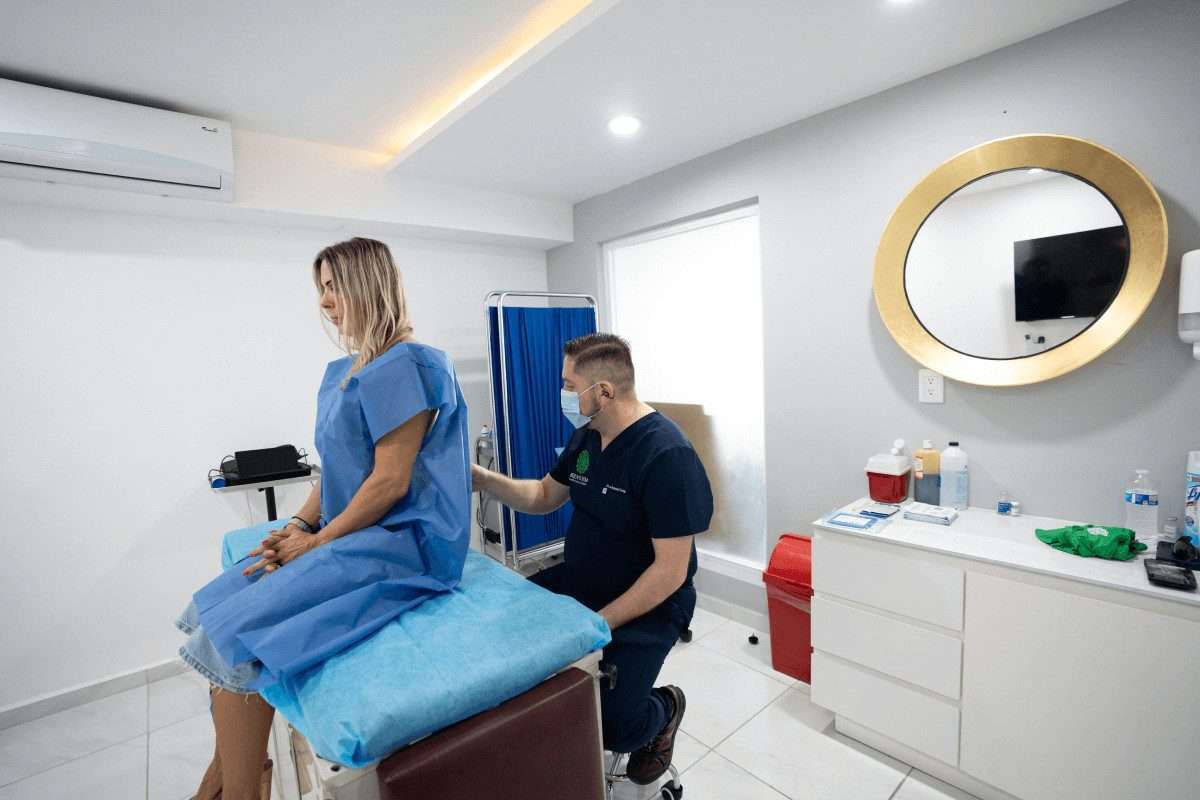
- •Experienced Clinicians and Licensed Labs: RejuvStem prides itself on its expert medical team – physicians and scientists who specialize in stem cell therapy and have extensive experience in the field[66]. The procedures are done by qualified professionals, ensuring safety and proper technique (whether it’s an IV infusion or targeted injection for spinal issues). The clinic also features state-of-the-art laboratory facilities licensed by COFEPRIS[66]. They can culture and expand cells as needed under sterile, regulated conditions. This in-house lab capability means quality control from start to finish – you know exactly what cells you’re getting, at what dose, and that they meet safety standards. Not all clinics can say the same.
- •Personalized, Concierge Care: RejuvStem emphasizes a full-service approach. From the moment you reach out, they offer concierge services to guide you through the process[66]. This includes arranging your airport pickup, local transportation, and even luxury accommodations if desired. Patients often combine treatment with a bit of R&R, given Cancún’s beautiful setting. The staff can help coordinate a comfortable recovery period – imagine resting at a seaside hotel, which certainly beats a typical hospital room. They also provide detailed consultations and follow-up support, crafting a treatment plan tailored to your condition and tracking your progress long-term[66]. This level of personalized care helps patients feel at ease, especially if traveling from abroad. Essentially, you’re in good hands every step of the way.
- •Broad Treatment Portfolio and Success Stories: While our focus is spinal arthritis, RejuvStem’s experience spans many conditions – over 350, according to their materials, including orthopedic injuries, autoimmune diseases, neurological disorders, Lyme disease, anti-aging therapies and more[71][72]. This breadth means they have treated cases similar to yours and have a wealth of data on what works. For musculoskeletal issues like arthritis, they’ve helped athletes recover from joint injuries and seniors regain mobility. One patient testimonial notes: “After my Dezawa MuseCells® therapy at RejuvStem, my recovery from a sports injury accelerated beyond expectations. I was back on the field in weeks, not months.”[73]. Hearing that someone returned to sport faster than anticipated hints at the real functional improvements these therapies can offer. Many patients report reduced pain and improved quality of life following treatment. RejuvStem’s website and reviews feature numerous such success stories, which can give confidence to those considering a first-time treatment.
- •Safety and Transparency: RejuvStem operates under full compliance with Mexican health regulations. They obtain proper informed consent and share realistic expectations – remember, they do not make wild medical claims of “miracle cures”. Instead, they educate patients (just like this article aims to) on the science and what outcomes are plausible. Treatments are done in a medical facility with emergency protocols in place, and they monitor patients carefully during and after procedures. The fact that MUSE cells have shown no tumorigenic effects and are considered safe for human use in trials[74] adds an extra layer of reassurance. RejuvStem is bringing therapies to patients earlier than in the U.S., but not by cutting corners – rather, by staying at the forefront of legitimate research and innovation.
Given all these points, it’s no exaggeration to say RejuvStem is one of the best stem cell clinics in Mexico, especially for complex conditions like spinal arthritis. They combine scientific innovation (being a leader in MUSE cell therapy) with compassionate care in a vacation-like setting. For someone suffering from chronic back or neck pain who has tried the usual pills and therapy without enough relief, a trip to Cancún for stem cell treatment could be a wise consideration.
Embracing the Future of Spine Care
Spinal arthritis can feel like a life sentence of pain – a degenerative condition you’re told to “manage” but not improve. However, advances in stem cell therapy are rewriting that story, offering a future where we treat the root causes of arthritis instead of just masking the pain. Imagine a therapy that could regenerate a worn-out spinal joint or retrain an immune system that’s attacking your spine. That’s the promise regenerative medicine holds. We’ve seen that early trials in chronic back pain and ankylosing spondylitis have delivered meaningful benefits[36][42]. And with powerful innovations like Dezawa’s MUSE cells, the potential for healing is greater than ever – these cells are nature’s repairmen, capable of homing to spinal damage and transforming into exactly the cells needed to mend it[54][51].
Of course, it’s important to maintain realistic expectations. Stem cell therapy is not a guaranteed “cure” for spinal arthritis, and it may not eliminate 100% of pain for everyone. But unlike conventional treatments, it aims to change the disease trajectory, not just temporarily cover it up. Even partial regeneration of cartilage or reduction of chronic inflammation can translate to significant improvements in daily function – perhaps turning back the clock on your pain by several years. And importantly, the safety record so far is encouraging, with studies reporting no major adverse effects in well-screened patients[38][74]. The risk profile is far gentler than, say, spine surgery or long-term high-dose NSAIDs.
If you or a loved one is considering this route, doing your homework is key. Look into clinics like RejuvStem in Cancún, Mexico, which we highlighted for its expertise and exclusive MUSE cell offerings. Consult with their medical team (many clinics offer free consultations or discovery calls) to see if you’re a candidate. They’ll review your medical history, imaging, and overall health to tailor a plan. Maybe you’ll receive a series of allogeneic MUSE cell infusions combined with physical therapy, for example. Every case is unique, and a reputable clinic will approach it as such.
In summary, stem cell therapy for spinal arthritis is an evolving and hopeful field. It sits at the intersection of cutting-edge science and compassionate care, aiming to restore what was once thought permanently lost in our spines. From cervical to lumbar, osteoarthritis to ankylosis, patients are finding relief and renewed flexibility thanks to these treatments. And with centers like RejuvStem making these therapies accessible in beautiful destinations like Cancún, patients don’t have to wait decades for FDA approvals to explore their benefits.
The journey to healing a painful spine may now include a new, regenerative chapter – one where your own cells (or a donor’s cells) become the architects of repair. The notion of reversing arthritis was once science fiction; today, it’s on the cusp of reality. If you’re struggling with spinal arthritis, it’s worth keeping an open mind about these developments. The path forward might just lie in the very building blocks of the body, coaxed by modern medicine to do what they do best: heal.
Sources
- 1.What Is Spinal Osteoarthritis (Facet Joint Arthritis)? – Arthritis-Health
- 2.Cervical Spondylosis: What It Is, Symptoms & Treatment – Cleveland Clinic
- 3.Ankylosing Spondylitis (AS): Symptoms & Treatment – Cleveland Clinic
- 4.Clinical efficacy and safety of somatic cell therapy for chronic low back pain – Stem Cell Research & Therapy
- 5.Complications of Spine Surgery – University of Maryland Medical Center
- 6.Systematic Review of Surgical Success, Complications, Revision… – ScienceDirect
- 7.Spine Surgery: When It Works and When It Doesn’t – OrthoBethesda
- 8.Engineered cartilage and osteoarthritis – Boston Children’s Answers
- 9.We’re on the brink of curing arthritis. Here’s how – Science Focus
- 10.Knee osteoarthritis injection cuts pain by 58%, regenerates cartilage – New Atlas
- 11.Efficacy and safety of mesenchymal stem cells in knee osteoarthritis – Stem Cell Research & Therapy
- 12.Effects and safety of allogenic MSC IV infusion in active ankylosing spondylitis – PubMed
- 13.Stem Cell Treatment for Osteoarthritis – MyHealth Alberta
- 14.Muse cell – Wikipedia
- 15.Dezawa MuseCells® Therapy in Cancun Mexico – RejuvStem
- 16.Muse Stem Cell Treatments in Mexico — Why Rejuvstem Has the Edge
- 17.Discover the Power of Mesenchymal Stem Cell Therapy in Mexico