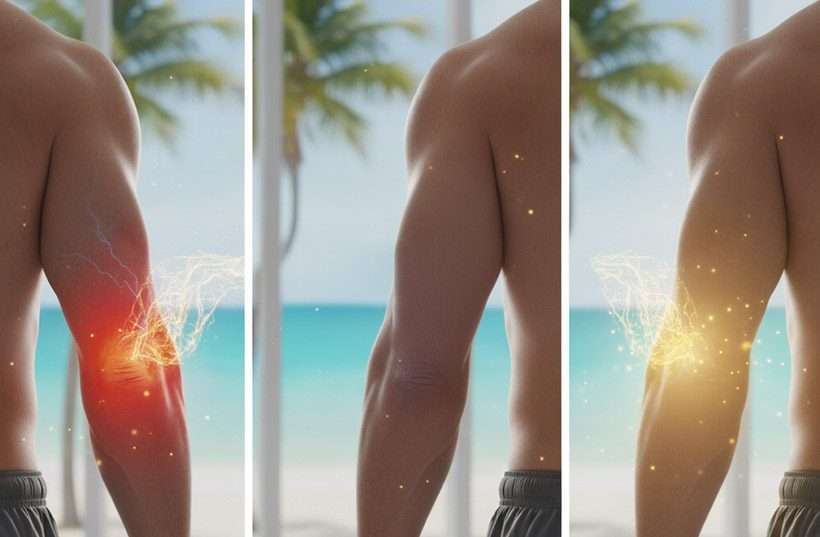
Golfer’s elbow (medial epicondylitis) and tennis elbow (lateral epicondylitis) are overuse injuries of the elbow tendons that cause chronic pain and limited arm function. In golfer’s elbow, repetitive grip or wrist flexion stresses the flexor tendon on the inner (medial) side of the elbow. In tennis elbow, repetitive wrist extension strains the extensor tendon of the forearm, especially the extensor carpi radialis brevis (ECRB), on the outside (lateral) elbow. These conditions are common: medial epicondylitis accounts for about 10–20% of epicondylitis cases, while lateral epicondylitis affects roughly 1–3% of the population annually. The figure below shows the ECRB tendon (highlighted in red) attaching to the lateral epicondyle – the site of injury in tennis elbow.
Figure: Anatomy of the lateral elbow. The extensor carpi radialis brevis (ECRB) tendon (red) attaches to the lateral epicondyle. Overuse of this tendon causes tennis elbow (lateral epicondylitis). (Golfer’s elbow involves the opposite side – the medial epicondyle and flexor tendons.)
Medically, both conditions involve tendinosis (degeneration) of the tendon rather than inflammation. Repetitive micro-tears lead to scar tissue formation, abnormal collagen, and chronic pain around the elbow. Most patients improve with rest, physical therapy, bracing, or injections, but these treatments often only mask symptoms. Conservative therapy can actually produce fibrotic scar tissue that lacks the strength of normal tendon. For example, a recent review notes that standard care (NSAIDs, therapy, bracing) often leaves a tendon “lacking the biomechanical properties and mechanical strength of an undamaged tendon”. In practice, many patients suffer persistent pain or recurrences despite months of therapy. Traditional steroid or platelet-rich-plasma (PRP) injections may give short-term relief, but do not reliably regenerate the tendon and relapse is common.
Emerging Regenerative Therapies for Elbow Tendon Injuries
Given the limitations of standard care, researchers are investigating regenerative treatments aimed at healing the tendon itself. In recent years, stem cell therapies have been applied to tendon disorders including tennis and golfer’s elbow. Stem cell injections can potentially restore normal collagen and tenocytes (tendon cells) rather than just creating scar. A 2021 meta-analysis of clinical trials found that mesenchymal stem cell (MSC) therapy significantly improved pain and function in patients with tendon injuries (rotator cuff tears, epicondylitis, etc.). Across four trials (52 patients), MSC treatment produced a large pooled effect size for reducing pain and improving functional and imaging outcomes. Importantly, follow-up MRI or arthroscopy in some studies showed actual tendon regeneration: in one trial, second-look arthroscopy at 6 months revealed visible repair of the tendon defect in all subjects after MSC injection. The combined evidence suggests that stem cell therapy can regenerate damaged tendon tissue in epicondylitis – not just relieve pain.
Key points from stem cell research:
- •In one meta-analysis, patients treated with MSCs had clear improvements in pain, strength, and tendon imaging compared to no-stem-cell controls.
- •A dose-response effect was noted: higher stem cell doses led to greater pain relief.
- •MSCs are thought to work by differentiating into tendon-like cells and by secreting growth factors that stimulate healing. For example, implanted MSCs have been shown to survive in tendon defects, differentiate into tenocyte-lineage cells, and deposit new collagen matrix. One landmark study even found that human adipose-derived MSCs implanted into a rat tendon produced human collagen and tenascin-C (a marker of tendon regeneration). In summary, emerging evidence indicates that MSC therapy can rebuild tendon tissue and relieve chronic elbow pain in epicondylitis.
Critically, multiple clinical studies reported that MSC injections are safe in epicondylitis. In the trials analyzed, only mild, transient side effects (joint swelling or effusion) were noted. All adverse events resolved spontaneously, and no serious or lasting complications were seen. Similarly, Muse stem cells (described below) have shown a strong safety profile, with no tumor formation or uncontrolled growth reported after transplantation.
What Are Dezawa’s MUSE Stem Cells?
MUSE cells (Multilineage-differentiating Stress-Enduring cells) are a special subset of naturally occurring stem cells first described by Dr. Mari Dezawa. Unlike generic MSCs, MUSE cells are pluripotent-like and can transform into a remarkably broad range of tissues. In laboratory studies, a single Muse cell can spontaneously differentiate into cells of all three germ layers: ectoderm (e.g. nerve, skin), mesoderm (muscle, bone, cartilage), and endoderm (liver, lung, gut). For example, experiments show Muse cells turning into skeletal muscle, cardiomyocytes, glomerular kidney cells, neural cells, and even hepatocytes. By contrast, ordinary MSCs have very limited potential — they typically form only fat, bone, or cartilage cells and often with low efficiency. In short, Muse cells act like embryonic/pluripotent stem cells in terms of differentiation, but without the risks: importantly, MUSE cells do not form tumors or teratomas.
Key differences of MUSE cells:
- •Broad differentiation: Muse cells can generate cell types across all tissue layers.
- •Stress-resistant & Homing: MUSE cells are uniquely resilient under harsh conditions. They can actively home to sites of injury in response to signals (e.g. sphingosine-1-phosphate) and then integrate into damaged tissues. Animal studies show Muse cells migrating far more efficiently into injured tissue than regular MSCs, enhancing repair.
- •Safety: MUSE cells have very low tumor risk. Gene analyses reveal that tumor-associated factors are minimally expressed in Muse cells, akin to normal body cells. Decades of research and hundreds of transplant experiments have never observed teratoma formation with Muse cells.
- •Immune tolerance: Muse cells display immune-privileged behavior. Allogeneic (donor) Muse transplants have not triggered rejection even without special matching or immunosuppression. (Muse cells naturally express HLA-G, a molecule that suppresses immune attack.)
The table below summarizes these advantages:
| Advantage | What it means |
|---|---|
| Tri-lineage Differentiation | Can become muscle, nerve, bone, etc., giving true tissue repair. |
| Injury Homing | Actively migrate to and engraft in damaged tissue at higher rates than ordinary MSCs. |
| Non-tumorigenic | Do not form tumors or teratomas after transplantation. |
| Allogeneic Use | Donor Muse cells engraft without rejection (no need for immunosuppression). |
These properties make Dezawa’s MUSE cells an exciting “next-generation” stem cell therapy for musculoskeletal injuries like epicondylitis.
Why Choose RejuvStem Cancún for Muse Cell Therapy?
RejuvStem Cancún is a strategic partner of MuseCell Innovations and holds the exclusive rights to administer Dezawa MuseCells® therapy in Mexico. In fact, RejuvStem is currently the only authorized clinic in Mexico offering this advanced treatment. (RejuvStem’s team is licensed under MUSECell Innovations to procure and deliver genuine Dezawa MuseCells® for regenerative therapies.) In practical terms, this means patients seeking Muse cell therapy are referred to RejuvStem Cancún as the certified provider.
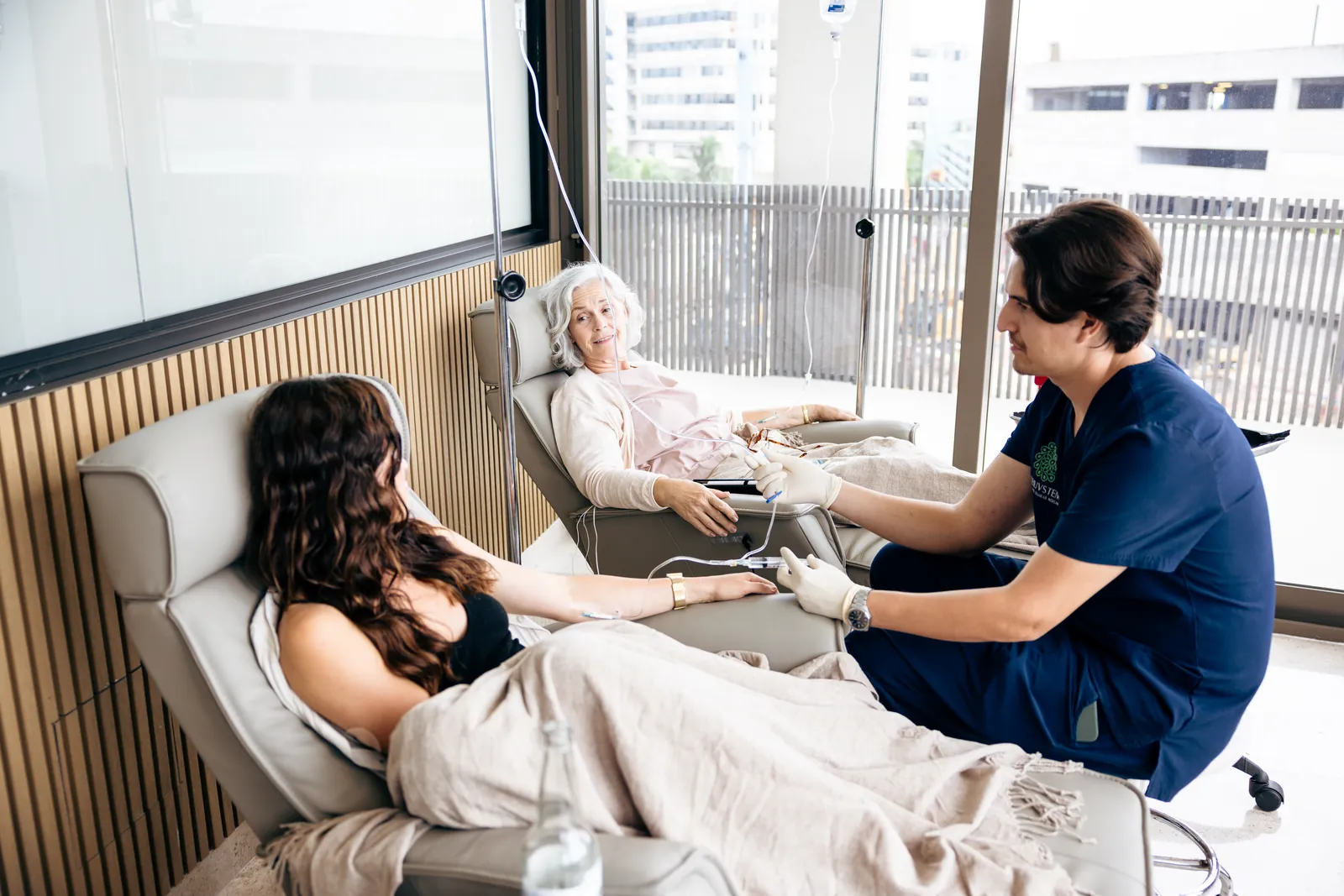
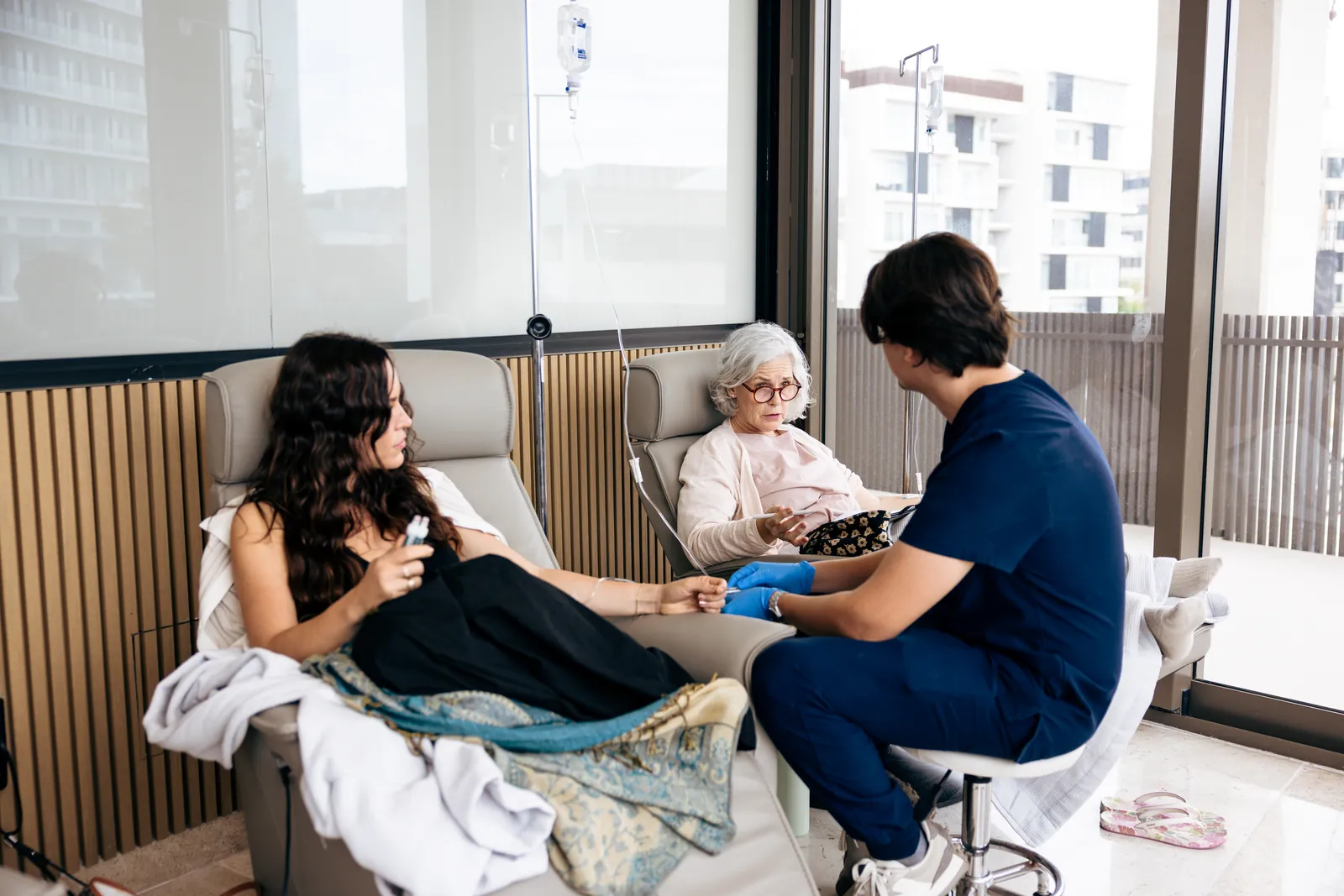
At RejuvStem Cancún, treatment protocols are highly personalized by expert physicians. The general protocol typically includes: a detailed pre-treatment consultation and medical evaluation, followed by preparation of the stem cell solution, then intravenous infusion (and sometimes targeted injections) of Muse cells. For orthopedic conditions like tennis or golfer’s elbow, patients often receive IV infusions of MUSE cells sourced from screened human donors. These infusions may be combined with local injections at the elbow to maximize delivery. RejuvStem also supplements therapy with supportive treatments – for example, their signature “Golden IV Therapy” bag (nutrient and antioxidant infusion) is given alongside the stem cells to enhance the body’s receptivity. After the injections, standard post-care (hydration, rest, and rehabilitation guidance) ensures the cells can act on the injured tendons. Throughout, RejuvStem emphasizes that no single protocol fits all; every patient’s plan is adjusted by dose, delivery method, and schedule based on their condition and goals.
RejuvStem Treatment Protocol (Example Steps):
- •Personalized Consultation: Experts evaluate the elbow condition, imaging, and patient history.
- •Stem Cell Preparation: Fresh, never-frozen Dezawa MuseCells® are prepared and screened for safety.
- •Cell Delivery: Patients receive the Muse cells via IV infusion (typically 45–90 minutes) and/or ultrasound-guided injections at the affected elbow (about 15–30 minutes). Mild sedation or local anesthesia is used as needed.
- •Adjunct Therapies: During infusion, a nutrient-rich “Golden Bag” IV cocktail primes the body. In some protocols, exosomes (cell-released growth factors) are also administered to amplify healing.
- •Follow-Up Care: Discharge instructions include hydration, rest, and physical therapy as appropriate. The RejuvStem team conducts frequent follow-ups (often multiple times a day) to monitor progress.
- •Long-term Monitoring: Patients are encouraged to track their recovery over months, as Muse cells work over time to regenerate tissue.
Throughout this process, RejuvStem adheres to strict clinical standards and ethical guidelines. All procedures are performed in a modern facility by qualified medical staff experienced in regenerative therapies. The goal is not just temporary pain relief, but true tendon regeneration and functional recovery.
Patient Outcomes: Real Testimonials and Clinical Evidence
Although peer-reviewed studies on Dezawa MuseCells® in epicondylitis are still emerging, the broader research on stem cells for tendon repair provides a promising context. As noted, clinical trials with MSCs have documented tendon regeneration and lasting pain relief in many cases. Patients treated at RejuvStem Cancún report similar positive outcomes. For instance, RejuvStem patient testimonials describe dramatic improvements in chronic pain after Muse therapy – often describing it as a “life-changing” transformation. One patient noted that “my chronic back pain, which had been with me for years, is now almost completely gone. I can move without the constant discomfort I once lived with” after receiving Muse cell therapy. Others report restored mobility (e.g. a previously painful elbow now pain-free when playing sports or lifting objects) and improved overall health. These anecdotal outcomes align with what was seen in MSC studies: long-term healing beyond what conventional treatment achieved.
From a safety standpoint, RejuvStem’s experience echoes the literature: adverse events have been extremely rare. Any minor side effects (such as transient soreness at injection sites or fatigue) are reported to be mild and temporary. Importantly, no patient in RejuvStem’s protocols has experienced serious complications like tumor formation or immune rejection – consistent with the well-established safety profile of Muse cells. Every treated patient is monitored closely, and the follow-up care ensures the cells engraft properly without risk.
Clinical Takeaways: Early evidence suggests Muse cell therapy can significantly reduce pain and heal tendons in chronic elbow epicondylitis. Published studies of MSC-based treatments show objective tendon healing on imaging. RejuvStem’s own patient stories reflect these findings – many patients resume sports, work, and daily activities that were previously impossible due to elbow pain. Given these results, Muse cells represent a cutting-edge option for patients who have tried everything else without success.
Frequently Asked Questions
Is Muse cell therapy right for me?
What does the treatment feel like?
How soon will I feel better?
Is the treatment safe?
What results can I expect?
What if I still have questions?
Take the Next Step with RejuvStem Cancún
If you suffer from persistent golfer’s or tennis elbow pain and conventional treatments have failed, Dezawa MuseCells® therapy may offer a new solution. RejuvStem Cancún’s specialists are available to evaluate your case and discuss this exclusive therapy. Contact RejuvStem to schedule a consultation and learn how Muse cells for tennis elbow or golfer’s elbow could help you. With their personalized care and state-of-the-art protocols, RejuvStem Cancún provides one of the most advanced regenerative options available for musculoskeletal injuries today.
References: This article references current medical research on stem cell therapies and tendon disorders, ensuring an evidence-based overview. For patient anecdotes and specific protocols, we have relied on RejuvStem Cancún’s published information and testimonials. All citations are from peer-reviewed journals or NIH/NCBI sources to maintain scientific accuracy.
- •Golfers Elbow – StatPearls – NCBI Bookshelf
- •Lateral Epicondylitis (Tennis Elbow) – StatPearls – NCBI Bookshelf
- •Current advances in the treatment of medial and lateral epicondylitis
- •Mesenchymal Stem Cells Use in the Treatment of Tendon Disorders: A Systematic Review and Meta-Analysis of Prospective Clinical Studies
- •Frontiers | Multilineage-differentiating stress-enduring cells: a powerful tool for tissue damage repair
- •What Are Dezawa MuseCells®, Exosomes & Umbilical Cord Cells? – Rejuvstem
- •Testimonials for Stem Cell Treatment | RejuvStem