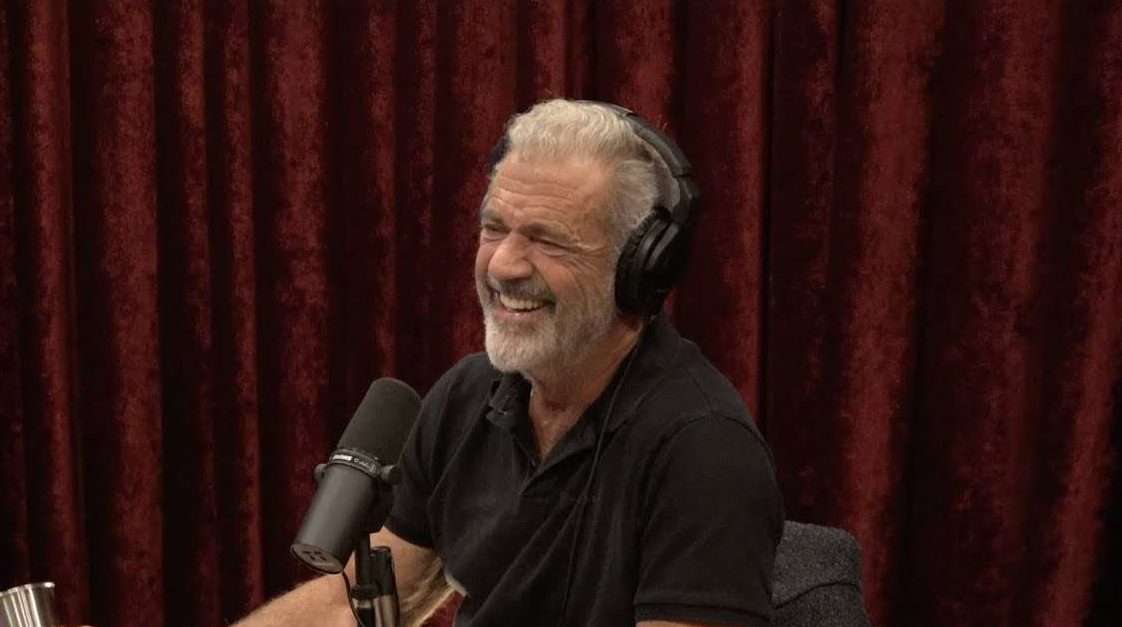
The Joe Rogan Experience Episode That Changed How People Think About Alzheimer’s
In January 2020, Mel Gibson sat down with Joe Rogan for what would become one of the most discussed, shared, and life-changing episodes in Joe Rogan Experience history.
The conversation started casually enough—discussing Hollywood, Mel’s career, and various topics. Then Rogan asked about stem cells. What Mel Gibson shared next left Rogan nearly speechless and sparked a global conversation about Alzheimer’s disease, cognitive decline, and whether regenerative medicine might offer hope where conventional medicine offers only decline.
The story: Mel Gibson’s father, Hutton Gibson, was in his 90s and suffering from severe cognitive decline—memory loss, confusion, the progressive deterioration that defines Alzheimer’s disease. The family watched helplessly as the man who raised Mel disappeared into dementia.
Then Mel took him to a stem cell clinic in Panama.
What happened next shocked everyone—including Mel Gibson himself.
According to Mel’s account on the podcast, his father experienced dramatic cognitive improvements. Memory returned. Lucidity improved. Conversations became possible again. The man they thought they’d lost came back—not completely, but significantly.
Joe Rogan’s reaction captured what millions would feel watching the episode: “Wait… what? That’s incredible. Why doesn’t everybody know about this?”
That question—why doesn’t everybody know about this—is exactly what we’ll answer in this comprehensive guide to stem cells for Alzheimer’s, cognitive decline, and neurological regeneration.
At RejuvStem in Cancun, Mexico—an authorized partner of MuseCell Innovations® in Mexico—we provide advanced stem cell therapy for neurological conditions including Alzheimer’s disease, cognitive decline, and age-related brain health deterioration at our state-of-the-art Cancun facility. Patients from the United States, Canada, and internationally travel to Cancun for neurological stem cell therapy because of immediate availability, access to pharmaceutical-grade stem cells and advanced Dezawa MuseCells® that can cross the blood-brain barrier, and the ability to receive cutting-edge treatment in beautiful Cancun—all just 15 minutes from Cancun International Airport.
The Mel Gibson Story: What Actually Happened
Joe Rogan Experience Episode #1420 – January 2020
The exact exchange that went viral happened about midway through the podcast when Joe Rogan asked Mel Gibson about his experience with stem cell therapy.
Mel Gibson’s account:
His father, Hutton Gibson, was experiencing severe cognitive decline consistent with Alzheimer’s disease. The decline had progressed to the point where meaningful interaction was becoming difficult. The family faced the heartbreaking reality most Alzheimer’s families know: watching a loved one disappear while they’re still physically present.
Mel took his father to a stem cell clinic in Central America (later confirmed to be Panama). The treatment involved stem cell infusions focused on neurological regeneration.
According to Mel’s description on the podcast:
- •His father received advanced stem cell therapy
- •The improvements began progressively
- •Memory and cognitive function improved significantly
- •His father regained abilities to have conversations
- •Quality of life improved dramatically
- •The changes were sustained over time
Joe Rogan’s response captured the moment: “That’s one of the most incredible things I’ve ever heard. Your 90-something-year-old father with Alzheimer’s gets stem cells and comes back?”
Mel Gibson’s confirmation: Yes, essentially. The cognitive improvements were remarkable and unexpected—even to the doctors providing treatment.
Why This Story Exploded
The Mel Gibson father stem cell story went viral immediately for several reasons:
1. Celebrity Credibility
Mel Gibson isn’t a supplement salesman or wellness influencer. He’s a Hollywood legend with no financial interest in promoting stem cell therapy. His genuine emotional reaction discussing his father’s recovery felt authentic and powerful.
2. The Alzheimer’s Desperation
According to the Alzheimer’s Association, over 6 million Americans live with Alzheimer’s disease. Millions more are caregivers watching loved ones deteriorate. Conventional medicine offers virtually nothing—medications that slightly slow progression at best, no treatments that reverse decline.
For these families, Mel’s story represented something almost unthinkable: hope.
3. The Joe Rogan Amplification
The Joe Rogan Experience reaches tens of millions of people. When Rogan expressed genuine amazement at Mel’s story, it validated what listeners were thinking: “If this is real, this changes everything.”
4. The Conspiracy Element
The immediate question from listeners: “If stem cells can do this for Alzheimer’s, why hasn’t anyone heard about it? Why aren’t doctors talking about it? What don’t they want us to know?”
This fed into broader conversations about medical establishment resistance to alternative therapies, FDA restrictions, and pharmaceutical industry economics.
What Treatment Did Hutton Gibson Actually Receive?
Based on Mel Gibson’s description and knowledge of Panama stem cell protocols, Hutton Gibson likely received:
Mesenchymal Stem Cells (MSCs):
- •Likely umbilical cord-derived (high quality, young donor cells)
- •Administered intravenously for systemic distribution
- •High cell counts for maximum therapeutic effect
Possible Additional Therapies:
- •Multiple treatment sessions
- •Supportive IV nutrients
- •Comprehensive neurological protocols
The specific details matter less than the core principle: pluripotent or pluripotent-like stem cells that can cross the blood-brain barrier and support neurological regeneration.
The Science: Can Stem Cells Really Help Alzheimer’s?
What Alzheimer’s Disease Does to the Brain
According to the National Institute on Aging, Alzheimer’s disease involves:
Beta-Amyloid Plaques:
- •Abnormal protein deposits between neurons
- •Disrupt cell-to-cell communication
- •Trigger inflammatory responses
- •Accumulate progressively
Tau Tangles:
- •Twisted protein fibers inside neurons
- •Disrupt nutrient transport within cells
- •Lead to cell death
- •Spread through brain regions
Neuroinflammation:
- •Chronic activation of immune cells in brain
- •Inflammatory damage to neurons
- •Accelerates neurodegeneration
- •Creates hostile environment for brain health
Progressive Neuron Death:
- •Brain tissue shrinks (atrophy)
- •Neural connections lost
- •Cognitive abilities disappear
- •Personality and memory erased
Conventional medicine’s approach: Medications that may slightly slow progression (donepezil, memantine) but cannot reverse damage or regenerate lost neurons.
The devastating reality: Once diagnosed, patients face inevitable decline with no real treatment options.
How Stem Cells Address Neurological Degeneration
Research published in peer-reviewed journals demonstrates stem cells—particularly advanced cells like MUSE cells—can address Alzheimer’s through multiple mechanisms:
1. Neuronal Regeneration
According to research in Stem Cells Translational Medicine, mesenchymal stem cells can:
- •Differentiate into neurons replacing lost brain cells
- •Become glial cells providing support and protection
- •Integrate into existing neural networks
- •Restore functional brain tissue
For Alzheimer’s patients: Potential replacement of dead and dying neurons with healthy, functional cells.
2. Reduction of Neuroinflammation
Studies in the Journal of Neuroinflammation show stem cells:
- •Release anti-inflammatory cytokines (IL-10, IL-1Ra)
- •Suppress harmful immune activation in brain
- •Reduce inflammatory damage to neurons
- •Create healing environment
For Alzheimer’s patients: Reduced inflammation may slow or halt disease progression.
3. Clearance of Beta-Amyloid and Tau
Research in Molecular Neurobiology suggests stem cells may:
- •Enhance clearance of beta-amyloid plaques
- •Support tau protein breakdown
- •Recruit brain’s cleaning mechanisms (microglia)
- •Reduce toxic protein accumulation
For Alzheimer’s patients: Potential reduction in the pathological proteins driving disease.
4. Neuroprotection and Growth Factor Release
According to Frontiers in Aging Neuroscience, stem cells secrete:
- •BDNF (brain-derived neurotrophic factor) supporting neuron survival
- •NGF (nerve growth factor) promoting neural health
- •VEGF supporting blood vessel formation (brain needs robust blood supply)
- •Other neurotrophic factors protecting existing neurons
For Alzheimer’s patients: Protection of remaining healthy neurons from further degeneration.
5. Blood-Brain Barrier Crossing
This is critical: Not all stem cells can cross the blood-brain barrier to reach damaged brain tissue.
- •Standard MSCs: Limited blood-brain barrier crossing
- •Dezawa MuseCells®: Research published in Stem Cells demonstrates MUSE cells can cross the blood-brain barrier, home to damaged brain tissue, and differentiate into neurons.
This is why MUSE cells—available at our Cancun facility—are particularly important for neurological conditions like Alzheimer’s.
Clinical Evidence: What Research Shows About Stem Cells for Alzheimer’s
Human Clinical Trials
While large-scale clinical trials are ongoing, preliminary human studies show promise:
Phase I/II Trials:
Research published in the Journal of Alzheimer’s Disease examining stem cell therapy for Alzheimer’s patients found:
- •Excellent safety profile
- •No serious adverse events
- •Some patients showed cognitive stabilization
- •Reduced rate of decline in some participants
- •Quality of life improvements
These are early-stage studies—not definitive proof, but encouraging signals that warrant further investigation.
Animal Studies Show Mechanisms
More extensive research in animal models demonstrates how stem cells work for Alzheimer’s:
Studies in Alzheimer’s Research & Therapy show:
- •Stem cells reduced beta-amyloid plaque burden
- •Improved cognitive function in mouse models
- •Reduced neuroinflammation
- •Protected neurons from degeneration
- •Improved memory and learning
While animal studies don’t guarantee human results, they demonstrate the biological plausibility of what Mel Gibson described seeing in his father.
The Research Reality
Honest assessment:
- •Stem cell therapy for Alzheimer’s is still emerging science
- •Large-scale definitive trials are ongoing
- •Not everyone will respond like Hutton Gibson
- •We don’t yet know which patients respond best
- •Mechanisms of action are still being elucidated
However:
- •The science supports biological plausibility
- •Safety profile is excellent
- •Early human evidence is encouraging
- •Patients and families facing Alzheimer’s have limited alternatives
- •Risk-benefit ratio favors trying advanced stem cell therapy
Why Dezawa MuseCells® Are Critical for Alzheimer’s
The Blood-Brain Barrier Challenge
Most stem cells cannot effectively cross the blood-brain barrier—the protective layer separating brain tissue from general circulation.
This means: Standard MSCs delivered intravenously may not reach brain tissue in sufficient quantities to promote neurological regeneration.
MUSE Cells: Designed for Brain Regeneration
Dezawa MuseCells®—available at our Cancun facility as an authorized partner of MuseCell Innovations® in Mexico—possess unique characteristics making them ideal for Alzheimer’s and neurological conditions:
Blood-Brain Barrier Crossing:
Research published in Stem Cells demonstrates:
- •MUSE cells can cross the blood-brain barrier
- •They home to areas of brain damage
- •Accumulate in regions of neurodegeneration
- •Begin regeneration precisely where needed
Neuronal Differentiation:
According to the Proceedings of the National Academy of Sciences:
- •MUSE cells differentiate into neurons spontaneously
- •Become glial cells providing support
- •Integrate into existing neural networks
- •Function as native brain cells once differentiated
Stress Endurance:
MUSE cells thrive in harsh, inflamed environments—exactly the conditions in Alzheimer’s-affected brains where other cells would die.
Zero Tumor Risk:
Unlike embryonic stem cells, MUSE cells have never formed tumors in any clinical trials—critical for brain applications where tumor formation would be catastrophic.
MUSE Cells vs. Standard MSCs for Alzheimer’s
| Factor | Standard MSCs | Dezawa MuseCells® |
|---|---|---|
| Blood-Brain Barrier Crossing | Limited | Excellent |
| Brain Tissue Homing | Minimal | Active targeting |
| Neuronal Differentiation | Limited | Pluripotent-like |
| Survival in Inflamed Brain | Poor | Excellent (stress enduring) |
| Tumor Risk | Low | Zero |
| Clinical Evidence for Brain | Emerging | Stroke trials show promise |
For Alzheimer’s and cognitive decline, MUSE cells represent the most advanced stem cell option available at our Cancun facility.
Beyond Alzheimer’s: Cognitive Decline and Brain Health
Mild Cognitive Impairment (MCI)
Many people experience cognitive decline that doesn’t meet Alzheimer’s criteria but significantly impacts quality of life.
According to the National Institute on Aging, MCI involves:
- •Memory problems beyond normal aging
- •Difficulty with complex tasks
- •Trouble finding words
- •Reduced attention and focus
- •Not severe enough for dementia diagnosis
- •10-15% yearly conversion to Alzheimer’s
Stem cell therapy for MCI at our Cancun facility may:
- •Slow or halt progression to Alzheimer’s
- •Improve cognitive function
- •Enhance brain health
- •Support neuroprotection
- •Improve quality of life
Age-Related Cognitive Decline
Even without MCI or Alzheimer’s, brain function declines with age.
Normal aging involves:
- •Reduced processing speed
- •Memory challenges
- •Decreased neuroplasticity
- •Lower cognitive reserve
- •Reduced brain volume
MUSE cell therapy at our Cancun facility may support:
- •Cognitive optimization
- •Memory preservation
- •Processing speed enhancement
- •Neuroprotection against future decline
- •Overall brain health maintenance
Vascular Dementia
The second most common form of dementia after Alzheimer’s, vascular dementia results from reduced blood flow to brain tissue.
Stem cells address vascular dementia through:
- •Angiogenesis (new blood vessel formation)
- •Improved cerebral blood flow
- •Neuroprotection
- •Tissue regeneration
Post-Stroke Cognitive Impairment
Many stroke survivors experience lasting cognitive deficits.
Clinical trials referenced in Stem Cells show MUSE cells:
- •Improve post-stroke recovery
- •Enhance cognitive function
- •Support neurological rehabilitation
- •Reduce long-term disability
Panama vs. Cancun: Where Should You Go for Neurological Stem Cell Therapy?
The Panama Question
After the Mel Gibson episode, many people asked: “Should I go to Panama for stem cell therapy?”
Panama considerations:
- •Established stem cell clinics exist
- •Hutton Gibson received treatment there
- •Some clinics have experience with neurological conditions
However, Cancun offers significant advantages:
Why Our Cancun Facility Is Superior for Neurological Conditions
1. Access to Dezawa MuseCells®
As an authorized partner of MuseCell Innovations® in Mexico, RejuvStem Cancun provides:
- •Authentic Dezawa MuseCells® with blood-brain barrier crossing capability
- •Pharmaceutical-grade quality control
- •Cells specifically proven for neurological applications
- •Complete traceability and documentation
Most Panama clinics do not have access to Dezawa MuseCells®—the most advanced stem cells for brain conditions.
2. Proximity to United States and Canada
Cancun advantages:
- •15 minutes from Cancun International Airport
- •2-3 hour flights from most U.S. cities
- •Same day travel from many locations
- •Easy for multiple treatments if needed
- •Family can visit easily during treatment
Panama requires:
- •Longer international flights
- •More complex travel logistics
- •Greater distance from family support
- •More expensive travel overall
3. Medical Tourism Infrastructure
Cancun offers:
- •World-class accommodations at all price points
- •English-speaking support everywhere
- •Familiar environment for North American patients
- •Beautiful recovery setting
- •Established medical tourism support
4. Quality and Safety Standards
Our Cancun facility provides:
- •COFEPRIS-licensed medical center
- •Board-certified physicians
- •International safety standards
- •Advanced imaging and monitoring
- •Comprehensive patient care
5. Cost Effectiveness
Treatment approach and investment discussed during consultation at our Cancun facility. When factoring in travel costs, Cancun often provides better overall value than Panama for North American patients.
Treatment Protocol for Alzheimer’s and Cognitive Decline at Our Cancun Facility
Comprehensive Neurological Evaluation
Pre-treatment assessment includes:
Cognitive Testing:
- •Memory assessment
- •Processing speed evaluation
- •Executive function testing
- •Baseline cognitive measurements
Medical Evaluation:
- •Complete neurological examination
- •Review of imaging (MRI, CT if available)
- •Medical history and medication review
- •Overall health assessment
Candidacy Determination:
- •Disease severity and type
- •Realistic outcome expectations
- •Individual factors affecting treatment
- •Customized protocol design
Dezawa MuseCells® Protocol for Neurological Conditions
IV Infusion Approach:
At our Cancun facility, we deliver Dezawa MuseCells® intravenously, allowing:
- •Systemic distribution throughout body
- •Natural homing to areas of brain damage
- •Blood-brain barrier crossing
- •Accumulation in damaged neural tissue
- •Whole-body regenerative benefits
Treatment Experience:
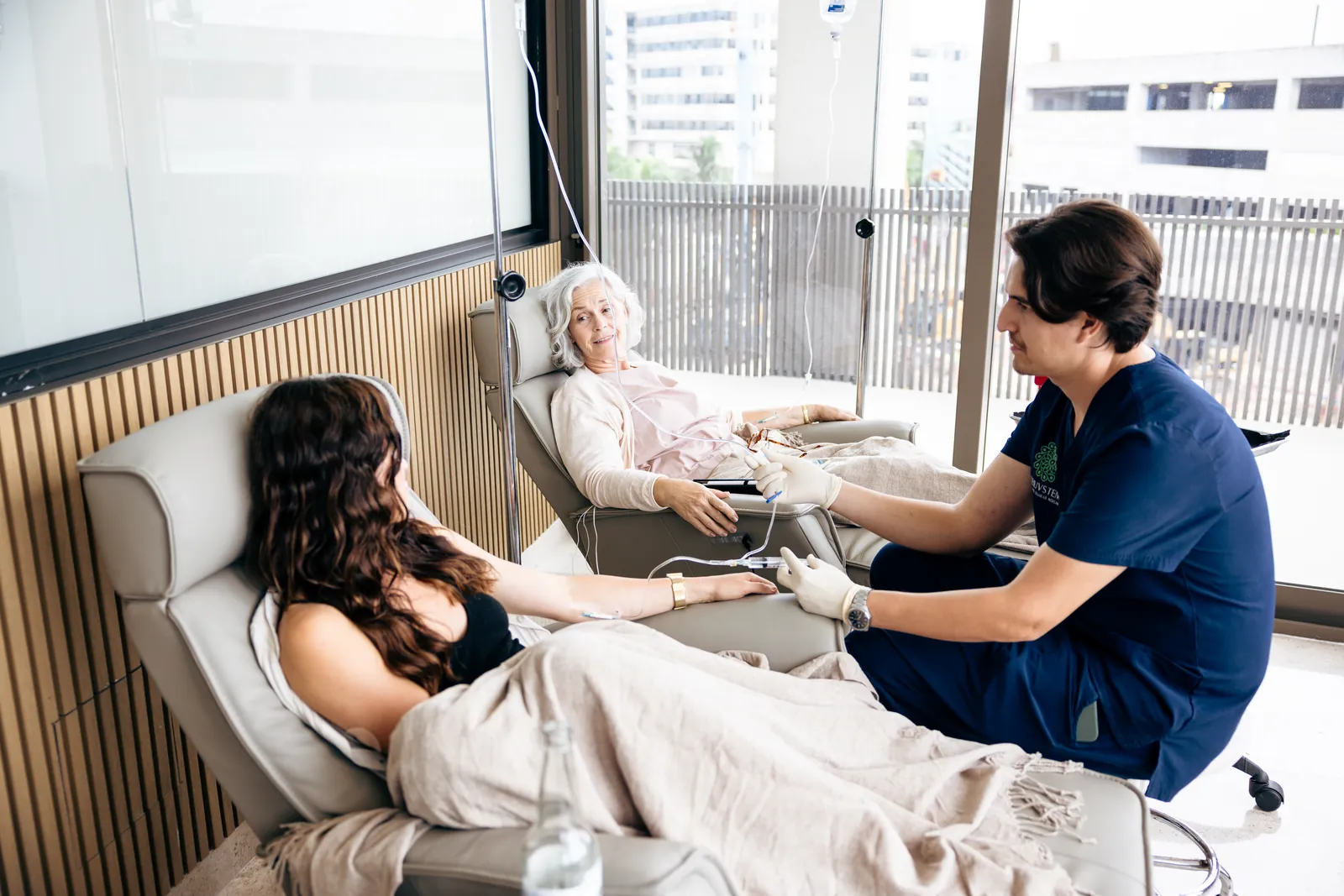
- •Comfortable private treatment room at our Cancun facility
- •Professional medical oversight throughout
- •Relaxing infusion experience
- •Same-day return to accommodations in Cancun
Progressive Neurological Regeneration
How regeneration unfolds:
Early Period:
- •MUSE cells circulate throughout body
- •Cross blood-brain barrier
- •Home to damaged brain regions
- •Begin releasing neuroprotective factors
Progressive Phase:
- •Neuroinflammation reduction
- •Neuroprotection of existing neurons
- •New neuron generation begins
- •Glial cell support increases
Continued Improvement:
- •Neural connections strengthen
- •Cognitive improvements emerge
- •Memory and function enhance
- •Quality of life improves
Timeline varies significantly by individual, disease severity, age, overall health, and other factors. Neurological regeneration is a gradual biological process.
Ongoing Support and Monitoring
Follow-up care includes:
- •Regular cognitive assessments
- •Progress tracking
- •Treatment optimization
- •Additional sessions if beneficial
- •Long-term support from our Cancun team
Realistic Expectations: What Patients and Families Should Know
The Honest Truth About Stem Cells for Alzheimer’s
We must be absolutely clear:
Stem cell therapy is not a proven cure for Alzheimer’s disease.
The Mel Gibson story is extraordinary—and inspiring—but it represents one person’s experience, not guaranteed outcomes for all patients.
What We Can Realistically Expect
Based on emerging research and clinical experience:
Some patients experience:
- •Cognitive stabilization (slowed decline)
- •Modest improvements in memory and function
- •Enhanced quality of life
- •Better engagement with family
- •Slowed disease progression
Others experience:
- •Minimal changes in cognitive trajectory
- •Continued decline (though possibly slower)
- •No dramatic reversal like Hutton Gibson
Factors affecting outcomes:
- •Disease severity (earlier stages respond better)
- •Age and overall health
- •Time since diagnosis
- •Individual biological response
- •Genetic factors
- •Concurrent treatments and support
Why Families Still Choose Stem Cell Therapy
Even with uncertain outcomes, families pursue stem cell therapy because:
1. Conventional Medicine Offers Nothing
Alzheimer’s medications provide minimal benefit. Families face watching loved ones disappear with no real treatment options.
2. Excellent Safety Profile
Stem cell therapy for Alzheimer’s has demonstrated excellent safety in clinical trials. The risk of trying is minimal compared to the devastation of doing nothing.
3. The Mel Gibson Effect: Hope
Stories like Hutton Gibson’s provide hope in a disease defined by hopelessness. Even if outcomes are uncertain, the possibility of improvement is meaningful.
4. Quality of Life Focus
Even modest improvements in cognitive function translate to better quality of life—more time with family, more moments of lucidity, more dignity.
5. Potential Neuroprotection
Even if stem cells don’t reverse existing damage, they may slow progression—buying additional years of quality time with loved ones.
Who Are the Best Candidates for Neurological Stem Cell Therapy?
Ideal Candidates
Early-Stage Alzheimer’s:
- •Recent diagnosis
- •Mild cognitive impairment
- •Some cognitive function preserved
- •Better potential for stabilization
Mild Cognitive Impairment (MCI):
- •Not yet diagnosed with Alzheimer’s
- •Concerned about progression
- •Seeking prevention and neuroprotection
Vascular Dementia:
- •Blood flow-related cognitive decline
- •Stem cells improve cerebral circulation
- •May respond well to treatment
Post-Stroke Cognitive Impairment:
- •Cognitive deficits after stroke
- •Research supports stem cells for stroke recovery
Age-Related Cognitive Decline:
- •Seeking cognitive optimization
- •Prevention-focused approach
- •Overall brain health enhancement
Challenging But Possible Candidates
Moderate Alzheimer’s:
- •More advanced disease
- •Significant cognitive impairment
- •Realistic expectations critical
- •May still benefit from stabilization
Advanced Alzheimer’s:
- •Severe cognitive decline
- •Limited communication
- •Dramatic reversal unlikely
- •Focus on quality of life, slowed decline
Important Considerations
Medical Stability:
- •Must be medically stable for travel
- •Able to tolerate treatment
- •No acute medical crises
Family Support:
- •Caregivers available for travel and recovery
- •Realistic expectations from all family members
- •Long-term support structure
Financial Commitment:
- •Treatment approach discussed during consultation
- •Multiple sessions may be beneficial
- •Realistic financial planning
Frequently Asked Questions
Can stem cells cure Alzheimer’s like they apparently did for Mel Gibson’s father?
How long after stem cell treatment in Cancun did Mel Gibson’s father show improvements?
Why aren’t all Alzheimer’s patients getting stem cell therapy if it worked for Hutton Gibson?
What makes MUSE cells better than regular stem cells for Alzheimer’s?
Is stem cell therapy safe for elderly patients in their 80s and 90s like Hutton Gibson?
Should I stop my father’s Alzheimer’s medications if he gets stem cell therapy in Cancun?
How many stem cell treatments are needed for Alzheimer’s?
Why should I choose Cancun over Panama where Hutton Gibson was treated?
What if my mother has moderate to severe Alzheimer’s—is it too late?
Can stem cells prevent Alzheimer’s if I have family history but no symptoms yet?
The Mel Gibson Message: Don’t Give Up Hope
What That Joe Rogan Episode Really Means
The Mel Gibson story resonated globally not because it proved stem cells cure Alzheimer’s, but because it challenged the hopelessness that defines this disease.
For decades, families have been told:
- •“There’s nothing we can do”
- •“Alzheimer’s only gets worse”
- •“Make them comfortable”
- •“Say your goodbyes”
The Hutton Gibson story says something different:
- •Biology can surprise us
- •Regenerative medicine offers possibilities conventional medicine doesn’t
- •Hope is not foolish when facing Alzheimer’s
- •Trying advanced therapies is better than accepting inevitable decline
Is every patient going to experience what Hutton Gibson experienced? No.
But does every Alzheimer’s family deserve access to the most advanced regenerative treatments available? Absolutely.
Begin Your Neurological Regeneration Journey
You’re watching a loved one disappear into Alzheimer’s or cognitive decline. Conventional medicine offers medications that barely slow progression. Doctors tell you there’s nothing else to do.
But elite regenerative medicine offers a different possibility.
Stem cell therapy at our Cancun facility provides:
- •Advanced Dezawa MuseCells® that cross the blood-brain barrier
- •Pharmaceutical-grade quality with complete traceability
- •Treatment protocols based on emerging clinical research
- •Excellent safety profile for elderly patients
- •Hope where conventional medicine offers only decline
- •Potential for cognitive stabilization or improvement
- •Quality of life focus for patients and families
Your loved one deserves every possible chance. The same advanced neurological stem cells used in research and by families like Mel Gibson’s are available to you in Cancun.
Schedule Your Neurological Stem Cell Consultation
Call: +1 (302) 551 3530
Email: info@rejuvstem.com
Schedule Online: Book Consultation
Your Alzheimer’s/cognitive decline consultation includes:
- •Complete neurological evaluation and history review
- •Assessment of cognitive testing and imaging
- •Discussion of realistic outcome expectations
- •Customized MUSE cell protocol recommendation
- •Information about traveling to Cancun for treatment
- •Coordination with existing care team
- •All questions answered with honesty and compassion
No pressure. Just honest guidance from physicians who understand the desperation Alzheimer’s families face and the hope that regenerative medicine may provide.
RejuvStem Cancun – Advanced Neurological Stem Cell Therapy
Providing Hope Through Dezawa MuseCells® for Alzheimer’s and Cognitive Decline
The same type of regenerative treatment Mel Gibson’s father received. Advanced MUSE cells with blood-brain barrier crossing. Available in Cancun, Mexico.
Located 15 minutes from Cancun International Airport. Direct flights from most major U.S. and Canadian cities to Cancun.
Medical Disclaimer: Stem cell therapy for Alzheimer’s disease and cognitive decline is not FDA-approved in the United States and is performed in Mexico under COFEPRIS regulation. Stem cell therapy is not a proven cure for Alzheimer’s disease. Individual results vary significantly and most patients will not experience the dramatic improvements described in Mel Gibson’s account of his father’s recovery. Current evidence for stem cells in Alzheimer’s comes from preliminary studies and is not yet definitively proven in large-scale clinical trials. Information is for educational purposes and should not replace consultation with qualified healthcare providers. References to the Joe Rogan Experience podcast are for educational discussion and commentary purposes. Always consult with neurologists and healthcare providers before pursuing any Alzheimer’s treatment.