Tendonitis and ligament sprains are among the most common orthopedic injuries, causing pain and limiting mobility for people of all ages. From a rotator cuff tendonitis in the shoulder to an ACL sprain in the knee or an ankle sprain, these injuries often take months to heal and can recur if not fully resolved. In fact, each year almost 2 million Americans see a doctor for rotator cuff problems, and over 2 million ankle sprains are treated in the U.S. Traditional treatments like rest, bracing, or even surgery don’t always restore full strength, because tendons and ligaments heal slowly and often with inferior scar tissue.
MUSE stem cell therapy is an emerging regenerative treatment that promises to transform healing for tendon and ligament injuries. In this comprehensive guide, we’ll explain what tendonitis and sprains are, why they heal poorly, and how MUSE cells – a special type of stem cell – can dramatically improve recovery. We’ll also highlight how RejuvStem in Cancún, Mexico, is providing top-tier MUSE cell treatments for these injuries, with patient testimonials and a look at their treatment protocols.
Understanding Tendonitis and Ligament Sprains
Tendonitis refers to inflammation or micro-tearing of a tendon – the fibrous tissue that connects muscle to bone. Common examples include Achilles tendonitis (heel), patellar tendonitis (knee), tennis elbow (forearm), and rotator cuff tendonitis in the shoulder. These conditions cause pain, stiffness, and weakness around the affected joint. If the tendon damage accumulates, it can lead to tendinosis (degenerative changes) or even tendon tears.
Ligament sprains are injuries to the ligaments, which are tough bands connecting bones across a joint. A sprain ranges from an overstretch to a partial or complete tear of the ligament fibers. Classic sprains include twisted ankles (damaging ligaments around the ankle joint), ACL/MCL sprains in the knee, or wrist sprains. Sprains cause swelling, bruising, joint instability, and pain with movement. Severe sprains can leave a joint chronically unstable if not healed properly.
These injuries are extremely common. Sports and daily activities put immense stress on tendons and ligaments. It’s estimated that ankle sprains alone occur at a rate of 2–7 per 1,000 people each year – roughly 25,000 ankle sprains per day! Shoulder injuries are also widespread; rotator cuff tears (often related to chronic tendonitis) are common, especially in older adults. The toll on quality of life is significant – many patients struggle with persistent pain and limited function long after the initial injury.
Why Tendons and Ligaments Heal Slowly
Unlike skin or muscle, tendons and ligaments have a very limited blood supply. This means fewer nutrients and healing cells reach the injury site, so repair processes are sluggish. After a tendon or ligament is damaged, the body’s natural healing response tends to produce scar tissue rather than perfectly regenerated tissue. Research shows that injured tendons typically form “a vascularized connective scar tissue with inferior functional properties” at the site of damage. In practical terms, the new tissue is not as strong or elastic as the original tendon/ligament. This is why even after healing, a previously torn tendon or sprained ligament might remain weaker or stiffer than before, and why reinjury is common.
In ligaments, the same issue occurs – scar formation leads to a weaker structure. Medical experts note that scar tissue in healed ligaments is “weaker, larger and creeps more than normal ligament” tissue. Microscopic analysis finds more disorganized collagen (type III collagen fibers) in scar tissue, whereas healthy tendons/ligaments are rich in tightly aligned type I collagen. This disorganization contributes to ongoing joint laxity or pain. For example, up to 40% of ankle sprain patients develop chronic ankle instability or persistent symptoms after the injury. Clearly, conventional healing often doesn’t fully restore the original strength.
Another challenge is chronic inflammation. Tendonitis (literally “inflammation of the tendon”) can become a vicious cycle of inflammatory chemicals that degrade tissue quality. Standard care like rest, ice, compression, and anti-inflammatories (the RICE or POLICE protocols) can help acute injuries, but they don’t actively regenerate tissue. Often, the result is partial healing with lingering inflammation or pain.
This is where regenerative medicine comes in. By delivering cells or growth factors that actively rebuild tissue, we can potentially break the cycle of slow, incomplete healing. Mesenchymal stem cells (MSCs) have attracted attention for tendon and ligament repair because they can modulate inflammation and actually contribute to new tissue formation. In particular, a revolutionary subset of MSCs called MUSE cells (Multilineage-differentiating Stress-Enduring cells) may offer a more powerful solution for healing tendonitis and sprains.
The Promise of MUSE Stem Cells in Repairing Tendons and Ligaments
MUSE cells are a special type of adult stem cell discovered in 2010 by Dr. Mari Dezawa and colleagues in Japan. They naturally exist in very small numbers in our body (for instance, around 0.03% of bone marrow cells are MUSE cells). What makes MUSE cells extraordinary is their combination of abilities:
- •Pluripotent-like differentiation: Unlike typical adult stem cells that form only a few tissue types, MUSE cells can turn into cells of all three germ layers (ectoderm, mesoderm, endoderm). In simple terms, they have the flexibility to become many kinds of cells – potentially including tenocytes (tendon cells), ligament fibroblasts, bone cells, muscle cells, nerve cells, and more.
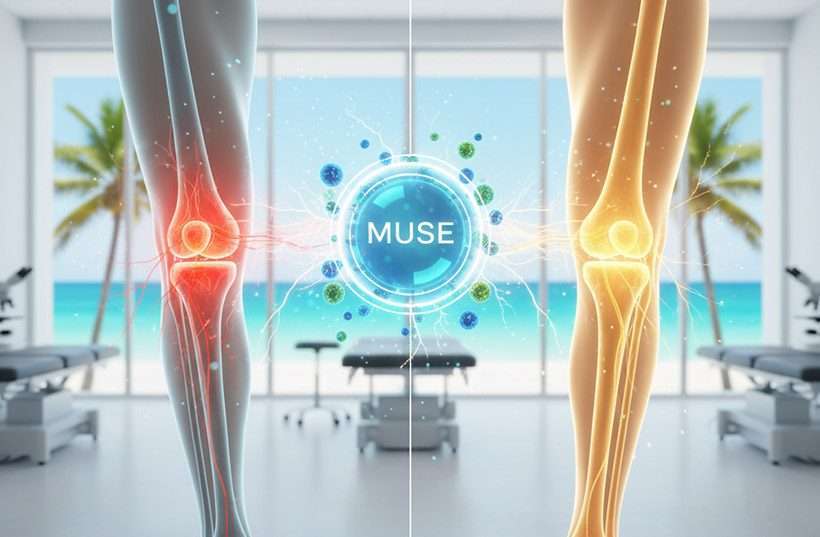
- •Homing to injury: MUSE cells act like microscopic medics. They sense chemical distress signals (such as S1P – sphingosine-1-phosphate) released by injured or dying cells and migrate to the damaged tissue. This homing ability means that if you introduce MUSE cells into the body (via injection or IV), they will travel and congregate at the site of a tendon tear or ligament sprain, where healing is needed most.
- •Direct tissue integration: Once at the injury, MUSE cells don’t just release healing factors – they can integrate and become new tissue. Studies have shown MUSE cells will phagocytose (engulf and clean up) debris from damaged cells and then differentiate into the same cell type as the injured tissue to replace it. For example, in a torn tendon, MUSE cells could become new tendon fiber-producing cells, actively laying down healthy collagen.
- •Stress-resistance: MUSE cells are, as their name suggests, extremely hardy in harsh, inflamed environments. Where other cells might die off in low-oxygen, high inflammation conditions of an acute injury, MUSE cells survive and remain functional. This makes them ideal for treating musculoskeletal injuries where local conditions are not optimal for healing.
- •Immunomodulation and safety: Like MSCs, MUSE cells secrete anti-inflammatory cytokines and growth factors that reduce pain and swelling while stimulating repair. They also exhibit immune privilege – expressing HLA-G that lets them be tolerated even when coming from a donor. In other words, MUSE therapy can be allogeneic (using donor cells) without triggering rejection. Importantly, MUSE cells are non-tumorigenic – unlike embryonic stem cells or iPS cells, they do not form tumors in studies. Clinical trials in Japan using intravenous donor MUSE cells for conditions like heart attack, stroke, and spinal cord injury have reported no serious adverse effects or tumor formation, confirming their safety.
For tendon and ligament injuries, MUSE cells offer a multi-pronged therapeutic approach. They bring all the benefits of mesenchymal stem cells (reduced inflammation, regenerative signaling) plus a greater capacity to actually rebuild the damaged tissue. Research on MSCs in tendon repair has shown promising results:
- •Lab and animal studies indicate MSCs can decrease inflammation, promote new blood vessel growth, boost cell proliferation, and even stimulate better collagen organization in injured tendons. Notably, MSC treatments help convert immature type III collagen (scar-type) into stronger type I collagen fibers in healing tendons – essentially guiding the tendon to heal with more normal tissue.
- •Early clinical evidence in humans is encouraging. A 2021 meta-analysis of patients with chronic tendon disorders (like stubborn tendinopathies) found that MSC therapy significantly improved pain and function, as well as imaging findings of tendon healing. Patients who received stem cell injections had better outcomes on MRI/ultrasound and arthroscopy than those who did not, suggesting real structural repair was occurring.
While specific clinical trials of MUSE cells for tendon or ligament injuries are still in progress, it stands to reason that MUSE cells could further enhance these benefits. Because MUSE cells can become tendon/ligament cells and directly integrate, they might accelerate healing beyond what regular MSCs achieve. In fact, anecdotal results from regenerative clinics using MUSE cells for orthopedic injuries are striking – often reporting faster recovery times and tissue quality improvements.
For example, patients with severe knee osteoarthritis or meniscus tears (which involve tendon/ligament damage and cartilage wear) have shown cartilage regeneration on MRI after stem cell therapy. One patient with chronic knee pain said:
“I suffered from chronic knee pain for years. After the RejuvStem MUSE protocol, I can walk pain-free again — and my MRI shows cartilage improvement. The staff’s follow-up and care were outstanding.” – RejuvStem patient testimonial
Athletes, too, are finding value in these therapies:
“After my MUSE therapy at RejuvStem, my recovery from a sports injury accelerated beyond expectations. I was back on the field in weeks, not months.” – Sports injury patient
These real-world experiences align with the scientific promise of MUSE cells – injuries that once took months to heal (or never fully healed at all) are now bouncing back in a matter of weeks with more complete tissue repair.
RejuvStem Cancún – Pioneering MUSE Cell Treatment for Injuries
RejuvStem is a leading regenerative medicine clinic based in Cancún, Mexico, at the forefront of offering MUSE stem cell therapy to international patients. In fact, RejuvStem holds an exclusive authorized license to provide Dezawa MuseCells® therapy in Mexico, in partnership with MuseCell Innovations (the Japan-based developers of MUSE technology). This means that patients at RejuvStem are receiving genuine, validated MUSE cells that trace back to Dr. Dezawa’s research, rather than generic stem cell preparations. The quality and purity of the cells are rigorously controlled – a crucial factor for safety and efficacy.
Choosing Mexico for treatment offers advantages that make advanced therapies like MUSE available today, rather than years from now. Mexico’s health regulator (COFEPRIS) provides a regulated framework that allows certified clinics to deliver innovative stem cell treatments that are still limited to trials in the US. RejuvStem operates under these regulations, combining medical safety with innovation. Many patients come here as medical tourists to access therapies they cannot at home, benefiting from Mexico’s forward-thinking approach and often more affordable care (treatments can cost 50–70% less than in the US).
What truly sets RejuvStem apart is their comprehensive, patient-centric approach and state-of-the-art infrastructure. For musculoskeletal injuries like tendonitis and ligament sprains, they emphasize personalized treatment and top-tier medical protocols:
- •Expert Team & Facilities: RejuvStem’s medical team includes physicians and scientists experienced in orthopedics and stem cell therapy. The clinic features GMP-grade cell laboratories and clean-room facilities on-site for processing and expanding cells. They utilize high-throughput cell sorting to isolate MUSE cells and strict quality assays to ensure cell viability and potency for each patient.
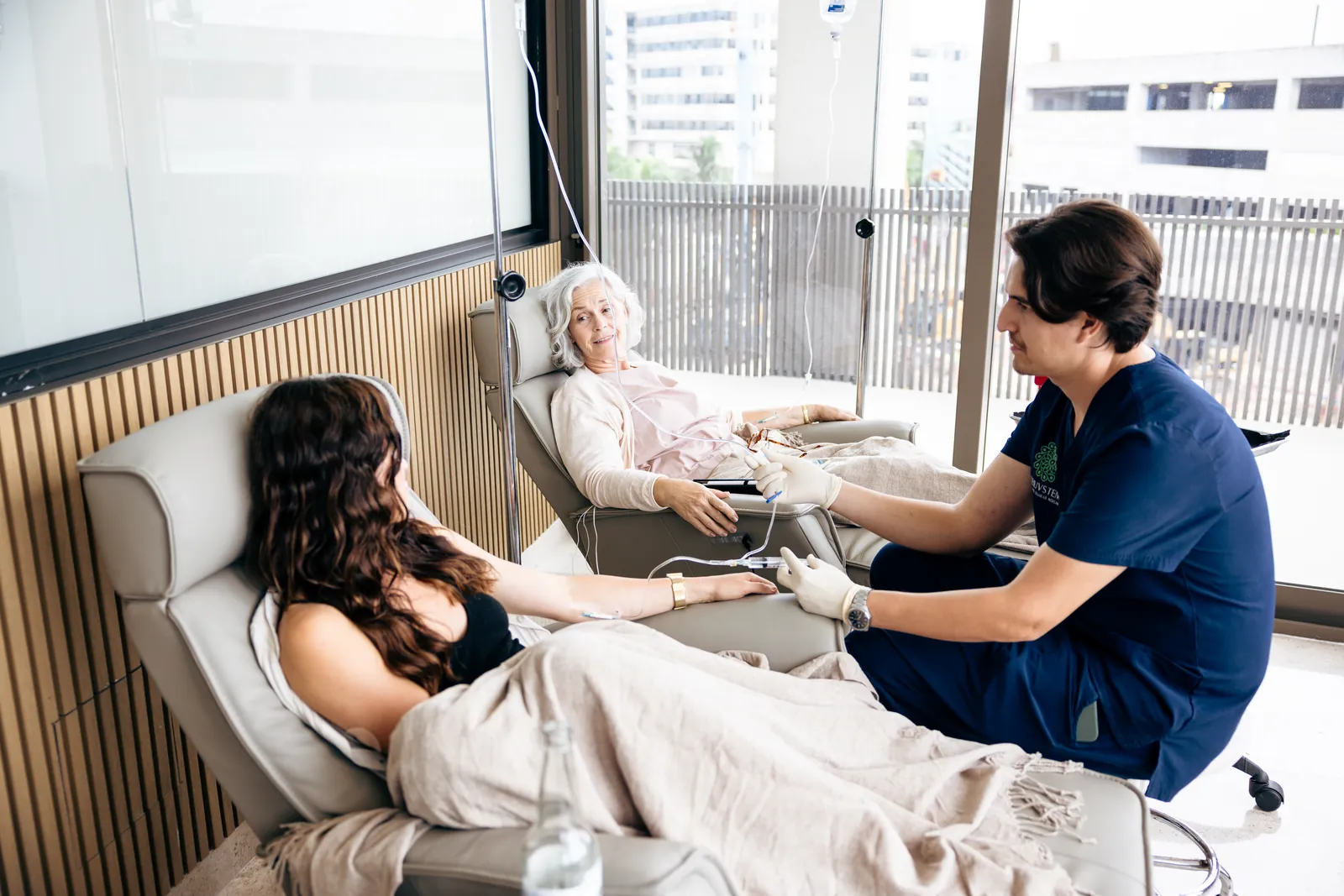
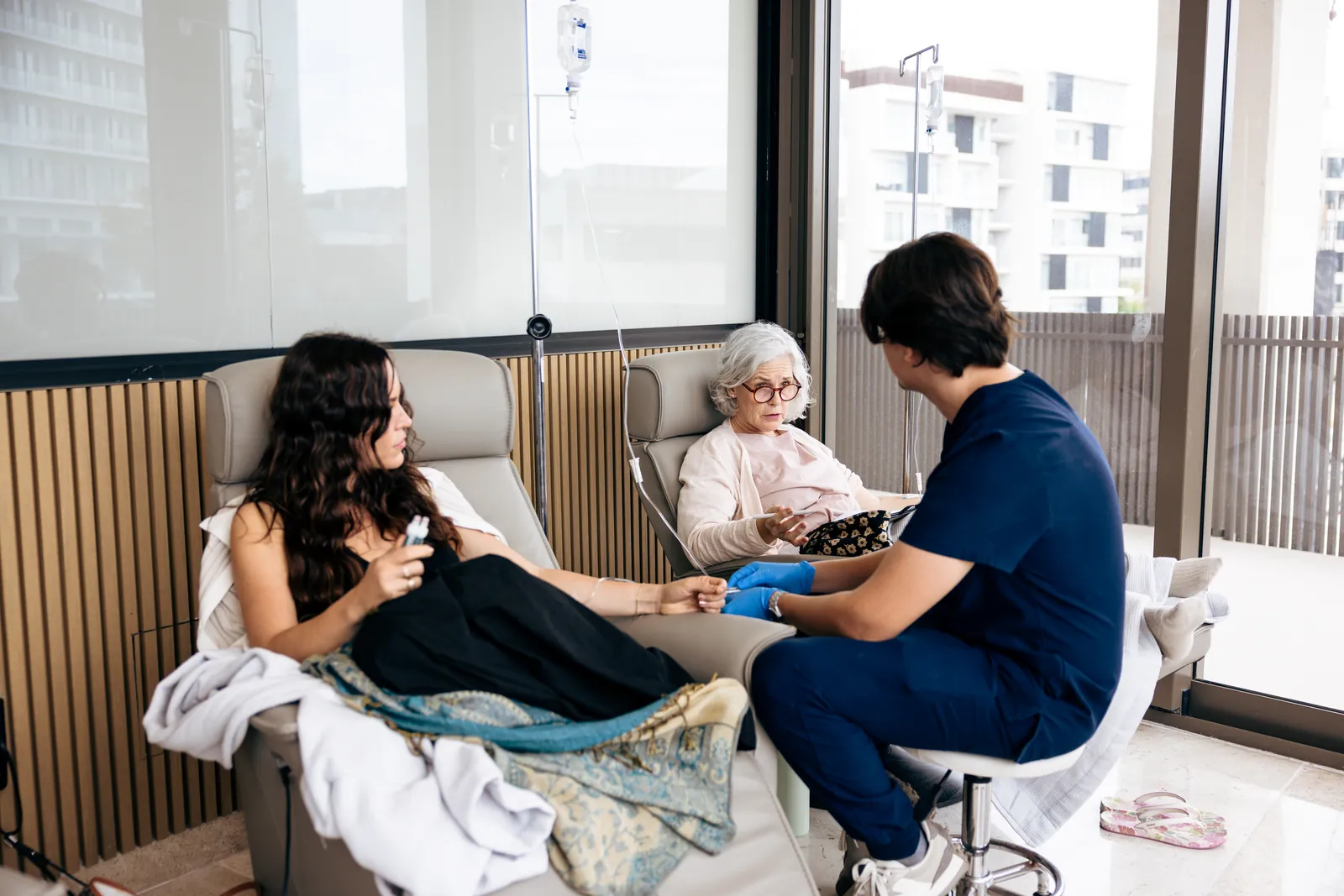
- •Advanced Delivery Techniques: For orthopedic cases, the clinic employs imaging-guided injection systems to place cells precisely where they are needed (for example, into a damaged Achilles tendon or around a torn ligament). They also offer intravenous infusions for systemic healing when appropriate. During treatment, they can provide local or conscious sedation to keep patients comfortable. This level of precision and care maximizes the chances that the stem cells will engraft and repair the target tissue.
- •Rigorous Protocols: Every patient undergoes thorough pre-treatment evaluation – including medical history review, imaging (MRI, ultrasound) of the injury, and consultation with specialists. A customized MUSE cell dose is then prepared; a typical treatment might use a minimum of 25 million viable MUSE cells or more, adjusted to the severity of the condition. RejuvStem may also combine the stem cell therapy with complementary biologics like PRP (platelet-rich plasma) or growth factor infusions (such as their “Golden Bag” IV therapy) to further enhance healing synergy.
- •Whole-journey Care: Because many patients travel from abroad, RejuvStem provides concierge services – helping coordinate travel, lodging, and even tourism for a stress-free experience. The actual treatment visit usually lasts about a week. After the cell injection/infusion, patients relax in recovery with observation for a couple of hours. The clinic then performs scheduled follow-ups: checking in 48–72 hours after treatment, again at 2 weeks, and then monthly updates for at least 6 months. They guide patients on rehabilitation exercises, nutrition, and lifestyle adjustments to support the healing process. This long-term follow-up ensures optimal outcomes and allows the medical team to track progress (often with repeat imaging to confirm tissue repair).
The focus on quality and patient satisfaction shows in their testimonials. Many individuals report not only healing of their injury, but also improvements in overall wellness:
“I came to RejuvStem for chronic shoulder pain that limited my mobility for years. Not only has my shoulder healed and regained strength, but I’ve also noticed more energy, better sleep, and a renewed sense of well-being. The team made me feel safe and informed every step of the way. If you’re struggling with pain or looking to restore your health, I can’t recommend RejuvStem Cancún enough. Their stem cell therapy gave me back my quality of life.” – Ryan C., RejuvStem patient
Such stories highlight the holistic benefits patients often experience – reduced pain, improved joint function, and even systemic health gains (likely due to the anti-inflammatory and regenerative effects throughout the body).
Treatment Outcomes and Future Outlook
The combination of MUSE stem cell science and RejuvStem’s clinical expertise is yielding outcomes that were once thought impossible. Tendonitis that failed to respond to months of physical therapy has resolved in a matter of weeks after MUSE cell injections. Athletes with partial ligament tears have avoided invasive surgeries and returned to sport faster. And because MUSE cells actually contribute to true tissue regeneration, patients may achieve more durable healing – potentially lower re-injury rates compared to conventional treatments, though long-term comparative studies are still needed.
It’s important to have realistic expectations: every patient is different, and factors like the extent of injury or age and overall health can affect results. But the early evidence is very encouraging. Clinical research is ongoing; for example, trials are examining stem cell therapies for Achilles tendonitis and rotator cuff tears. As regenerative medicine evolves, we anticipate even more refined protocols (perhaps combining gene therapy or advanced scaffolds with cells).
One thing is clear: the era of regenerative healing for tendons and ligaments has arrived. What used to be chronic, degenerative problems can now be addressed at the root level – actually helping the body regrow healthy tendon or ligament tissue. MUSE cells are at the cutting edge of this revolution, offering a potent tool to treat injuries that otherwise heal poorly.
Start Your Healing Journey
If you suffer from persistent tendonitis pain or a ligament injury that won’t heal, MUSE stem cell therapy could be a game-changer. RejuvStem in Cancún has positioned itself as a world-class provider of this treatment – combining scientific innovation, stringent safety, and personalized care in a beautiful destination. They are leading the way in making advanced therapies accessible to patients right now.
Imagine getting back to pain-free movement in a fraction of the time, and knowing that your tendon or ligament is truly restored, not just scarred over. That outcome is no longer wishful thinking – it’s happening today for many patients. With MUSE cell therapy, we can harness the body’s own cellular repair toolkit to achieve healing that was once out of reach.
RejuvStem’s team is ready to help you explore this option. They offer free initial consultations to evaluate your condition and will give an honest assessment of whether MUSE cell therapy is suitable for you. For those who are good candidates, this treatment represents a cutting-edge, science-backed path to recovery.
Don’t let chronic tendon or ligament injuries dictate your lifestyle. Thanks to breakthroughs in regenerative medicine, you have new options to heal and regain full function. The combination of MUSE stem cells and expert care can help you get back to the activities you love, stronger and sooner. The future of orthopedic healing is here – and it’s regenerative.
Sources
- •Jiang L. et al. (2023). Mesenchymal stem cells: An efficient cell therapy for tendon repair (Review) – Int J Mol Med, 52(2):70. (Describes MSCs differentiating into tendon cells and secreting factors to promote tendon healing).
- •Tempfer H. & Traweger A. (2015). Tendon vasculature in health and disease – Front Physiol, 6:330. (Notes that tendons are poorly vascularized and often heal with inferior scar tissue).
- •Hildebrand K.A. & Frank C. (1998). Scar formation and ligament healing – Can J Surg, 41(6):425-429. (Reports that healed ligaments form scar tissue that is weaker and more extensible than normal ligament).
- •Cho W.S. et al. (2021). Mesenchymal Stem Cells Use in the Treatment of Tendon Disorders: A Systematic Review and Meta-Analysis – Ann Rehabil Med, 45(4):274-283. (Found that stem cell therapy improved pain, function, and imaging outcomes in human tendon disorder patients).
- •Koda M. et al. (2024). Safety and feasibility of intravenous administration of allogenic-Muse cells for traumatic spinal cord injury: a clinical trial – Stem Cell Res Ther, 15:259. (Demonstrated good tolerability of donor MUSE cells in humans; provides background on MUSE cells’ homing and immune-privileged properties).
- •OrthoInfo – American Academy of Orthopaedic Surgeons (AAOS). Rotator Cuff Tears. (Highlights the prevalence of rotator cuff injuries, ~2 million doctor visits per year in the US).
- •StatPearls – NCBI. Acute Ankle Sprain (2025 update). (States epidemiology of ankle sprains, with over 2 million cases treated annually in the US).
- •Dezawa MuseCells® Therapy in Cancun Mexico | RejuvStem