
Dezawa MuseCells® – named after Dr. Mari Dezawa, who first reported these unique cells in 2010 – represent a cutting-edge advancement in regenerative medicine. Unlike typical stem cells, Muse cells naturally exist in the body (in bone marrow, blood, and connective tissues) and even circulate continuously under normal conditions. When injury or illness occurs, the body mobilizes more of these cells to damaged areas, hinting at their role as an intrinsic repair system. Now, RejuvStem’s clinic in Cancún, Mexico is harnessing this innovation as the exclusive provider of Dezawa MuseCells® therapy in the region, offering new hope to patients with stubborn musculoskeletal injuries and degeneration.
What Are Dezawa MuseCells®?
Muse cells (short for Multilineage-Differentiating Stress-Enduring cells) are a special subset of adult stem cells with remarkable properties. They are pluripotent like embryonic stem cells – meaning they can become virtually any cell type – but without the downsides: Muse cells do not form tumors (no teratomas) and have a very low risk of immune rejection. In fact, they produce “tissue-compatible” cells that integrate safely, so patients receiving Muse cells typically do not need immunosuppressant drugs or donor matching. Discovered within mesenchymal stem cell populations, each Muse cell naturally expresses certain embryonic markers (such as SSEA-3) yet endures stress well, hence the name.
Figure: Muse cells have distinctive advantages over conventional stem cells. They are non-tumorigenic, tolerate harsh environments, actively home to injury sites, and retain pluripotency. These traits set Muse cells apart as a safer and more potent regenerative tool compared to other stem cell types.
In essence, Dezawa MuseCells® are the body’s built-in repair cells. Under normal circumstances they quietly travel from the bone marrow to various organs, essentially performing routine maintenance. When you get hurt – say a torn tendon or inflamed joint – Muse cells sense distress signals (like the molecule S1P released by injured tissues) and migrate to the damage. Upon arrival, they can differentiate into the exact type of cells needed (muscle, bone, cartilage, nerve, etc.) and start the repair process. Remarkably, Muse cells survive in the hostile, inflamed environment of an injury far better than other stem cells, integrating into the tissue for the long term. They also secrete anti-inflammatory and growth factors that support healing from within. This combination of homing ability, broad differentiation potential, and immune privilege makes Muse cells a powerful ally in regenerating damaged musculoskeletal tissues.
How Do Muse Stem Cells Work in the Body?
Muse cells act as nature’s paramedics, rushing to sites of injury and facilitating repair. Key characteristics of how they work include:
- •Targeted Homing: Muse cells carry receptors (e.g. S1P receptor) that guide them to chemical signals released by injured tissues. They preferentially migrate to damaged sites after injection, zeroing in on areas of need. This means a systemic infusion of Muse cells can still find a knee tear or a spinal injury and populate that area for healing.
- •Tissue Regeneration: Once at the injury, Muse cells spontaneously transform into new functional cells of that tissue type – effectively replacing lost or damaged cells. For example, in a tendon tear they can become tendon fibers, in cartilage damage they can become cartilage cells, and so on. This direct differentiation rebuilds the structure and strength of the tissue.
- •Hardy Survivors: Muse cells are uniquely stress-resistant. They withstand inflammation and low-oxygen environments within injured tissue, allowing them to persist long enough to orchestrate true repair. By surviving where other cells die, Muse cells provide a lasting regenerative effect instead of a short-term bandage.
- •Immune Privilege: These cells are recognized as friendly by the immune system. Patients can even receive Muse cells from a donor without triggering severe immune reactions. As a result, therapies can use high-quality Muse cells in effective doses without the need for immunosuppressant medications.
- •Paracrine Support: In addition to building new tissue, Muse cells release a flurry of beneficial signals (exosomes, cytokines, growth factors). This reduces inflammation, prevents apoptosis (cell death), and promotes native healing in the surrounding area. The injured joint or muscle not only gets new cells, but also a kick-start to heal itself.
Figure: Muse cells continuously circulate from the bone marrow to the blood under normal conditions, repairing routine wear-and-tear. Under injury or “stress” conditions, they home to the injured site via the S1P–S1PR2 pathway. This natural homing mechanism allows systemically delivered Muse cells to congregate where they’re needed most.
Together, these mechanisms make Muse stem cells especially effective for treating musculoskeletal conditions. They inherently seek out microdamage and trauma, become the building blocks of new tissue, and modulate the healing environment. In musculoskeletal injuries – which often involve chronic inflammation and cell loss – Muse cells provide a comprehensive repair strategy that other therapies cannot.
Muse Stem Cells for Musculoskeletal Conditions
Musculoskeletal ailments like tendon injuries, ligament sprains, arthritis, and disc degeneration are traditionally difficult to heal fully. Muse cell therapy is changing that by actively regenerating tissues that were once thought to be beyond repair. Below we explore how Dezawa MuseCells® can benefit several common orthopedic conditions:
Tendonitis and Ligament Sprains
Tendons and ligaments have limited blood supply, so they heal slowly and often incompletely after injury. Early stem cell research has shown that mesenchymal stem cell (MSC) treatments can improve tendon healing – increasing collagen production, strength, and even achieving complete tear repair in some cases. Muse cells, being an advanced sub-type of MSCs, take this a step further. Their homing ability means that when injected (or given IV), Muse cells will seek out a torn Achilles tendon or an inflamed rotator cuff. Once there, they differentiate into tendon fibers and assist in rebuilding the tissue matrix. Patients with chronic tendinitis or ligament sprains may experience faster recovery, reduced pain, and a lower chance of re-injury. In fact, a recent clinical trial on rotator cuff injuries reported promising results – with some patients’ tendon tears completely healing – after receiving stem cell injections. By delivering Muse cells to the site of a tear, RejuvStem’s therapy aims to mimic and enhance this natural healing, so athletes and active individuals can get back to pain-free movement sooner.
Osteoarthritis and Cartilage Damage
Osteoarthritis (degenerative joint disease) is characterized by the breakdown of cartilage in joints, leading to pain and stiffness. Cartilage has almost no capacity to self-repair, but Muse cells offer a new solution by building fresh cartilage and reducing joint inflammation. Notably, researchers have discovered that the joint’s own synovial membrane harbors Muse-like cells that can turn into cartilage cells – even in patients in their 50s and 60s. This suggests our bodies attempt to heal arthritic cartilage using Muse cells, albeit in insufficient numbers. Laboratory and animal studies confirm the potential: in one study, scientists isolated Muse cells and injected them into a rat model of an osteochondral (cartilage/bone) defect in the knee. Within 12 weeks, the defects were filled with new, smooth tissue and showed superior underlying bone healing compared to untreated injuries. The regenerated tissue in that experiment was not perfect hyaline cartilage (lacking some type-II collagen), but the results demonstrated clear reparative action and improved joint structure. For human patients, this means Muse cell therapy could replenish worn cartilage, ease pain, and improve joint function in osteoarthritis. By injecting Muse cells into an arthritic knee or hip, or infusing them intravenously to home in on multiple achy joints, RejuvStem aims to provide lasting relief that goes beyond what standard viscosupplement injections or pain medications can achieve.
Fractures and Bone Healing
Bones usually heal on their own, but complicated fractures or non-unions can struggle to mend. Stem cell therapy has opened new avenues for difficult bone repairs – for example, clinical trials have noted positive outcomes using stem cells in healing persistent fractures. Muse cells contribute to bone regeneration by transforming into osteoblasts (bone-building cells) at the fracture site and by releasing factors that stimulate blood vessel formation and mineralization. Because Muse cells are pluripotent, they can generate both bone and supporting tissues needed for robust healing. Importantly, their immune-privileged status allows the use of high-dose allogeneic Muse cells to jump-start healing in stubborn fractures without graft rejection. Patients with fractures that haven’t healed after months (or those facing orthopedic surgeries) may find that Muse cell therapy significantly accelerates callus formation and strengthens the bone union. By delivering these cells directly to a fracture or via systemic infusion, the regenerative power can reach even microscopically damaged areas that standard surgery might miss. Faster bone healing means patients can regain mobility and avoid complications like chronic pain or repeated surgeries.
Spinal Disc Degeneration and Back Pain
Degenerative disc disease – where intervertebral discs lose hydration and structure – leads to chronic back pain and nerve compression. Traditional treatments only manage symptoms. Stem cells, however, offer a way to repopulate and rejuvenate spinal discs. Clinical evidence is mounting that MSC therapies can relieve disc-related back pain and improve function for patients with degenerative discs. Muse cells are especially promising here: they can differentiate into chondrocyte-like cells to rebuild the disc’s cartilage and also secrete anti-inflammatory factors to soothe nerve irritation. Once infused, Muse cells can home to the damaged discs along the spine (which produce the same S1P distress signals) and integrate into the disc tissue. A 2023 systematic review and meta-analysis found that mesenchymal stem cell treatments significantly reduced discogenic lower back pain and improved disability scores in patients, without major adverse effects. Muse cell therapy, by virtue of its precision homing and robust regenerative capacity, may further enhance these outcomes – potentially restoring disc height, easing pressure on nerves, and diminishing pain long-term. For someone with a herniated or degenerated disc, this could mean not just temporary relief, but actual biological repair of the disc structure. RejuvStem’s protocol in such cases might involve both intravenous Muse cell infusion (to address multiple disc levels and systemic inflammation) and targeted injection into specific disc spaces under imaging guidance, maximizing the delivery of regenerative cells to where they are needed most.
RejuvStem’s Exclusive Muse Stem Cell Treatment in Cancún, Mexico
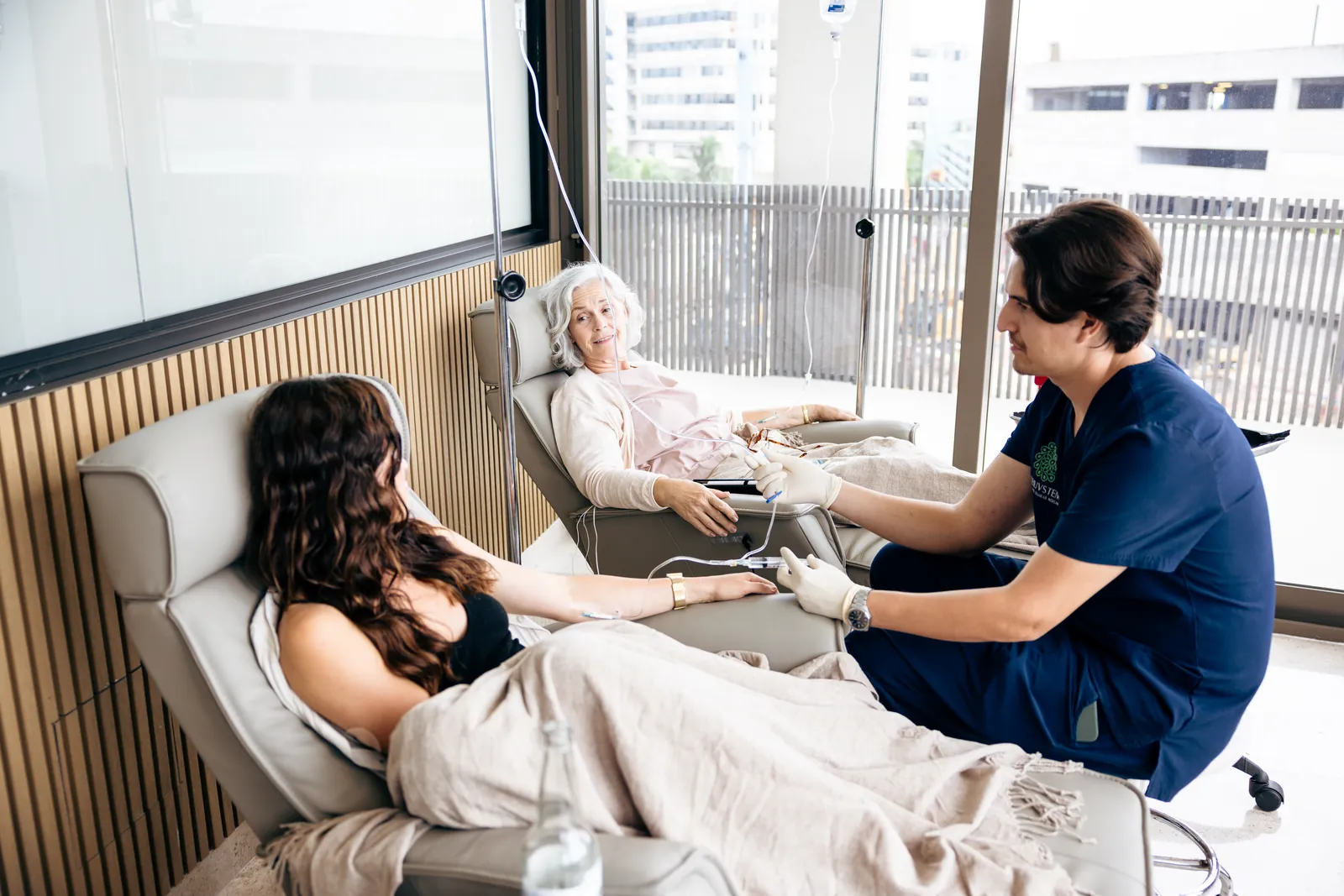
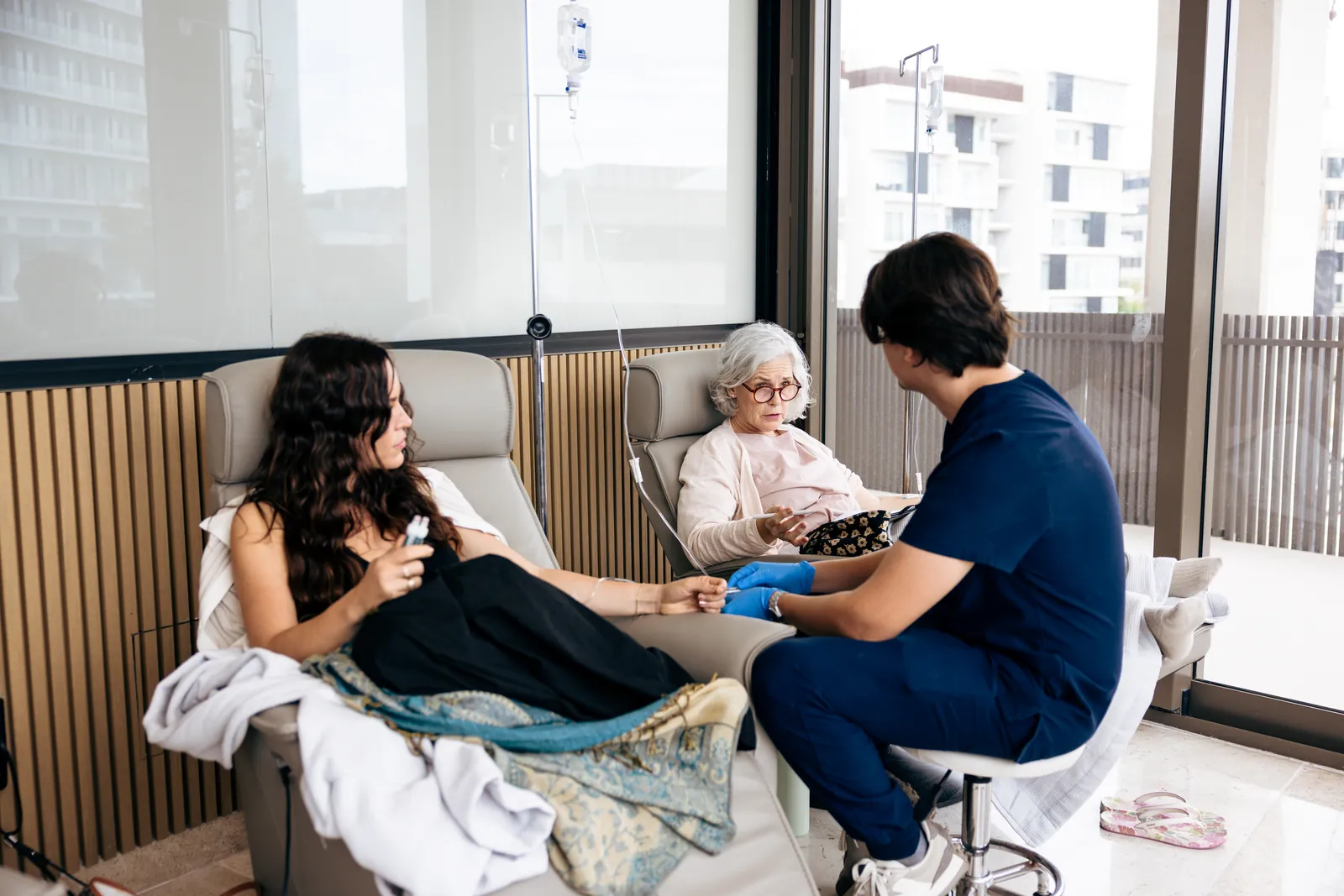
RejuvStem is the only clinic in Mexico authorized to provide authentic Dezawa MuseCells® therapy, and patients travel from around the world to our Cancún center for this cutting-edge treatment. Our partnership with Dr. Dezawa’s team means that the Muse cells used are of the highest quality – lab-expanded and vetted for potency and safety. Treatment at RejuvStem begins with a thorough evaluation of each patient’s condition and medical history. Our physicians then craft a personalized plan, which may include intravenous infusion of Muse cells for systemic healing and/or precise injections for local repair (for example, into a damaged knee or shoulder). The use of IV infusion is backed by clinical research: multiple human trials have safely delivered Muse cells intravenously for conditions like stroke, heart attack, and COVID-related ARDS, taking advantage of the cells’ natural homing ability to find injury sites. In our protocol, an IV “Muse cell drip” allows the cells to circulate and seek out microscopic areas of inflammation or degeneration throughout the body – an especially useful approach when patients have widespread issues (e.g. multifocal arthritis or diffuse spine wear-and-tear). For focal injuries such as a single torn tendon, guided injections ensure a concentrated dose of Muse cells directly where it’s needed.
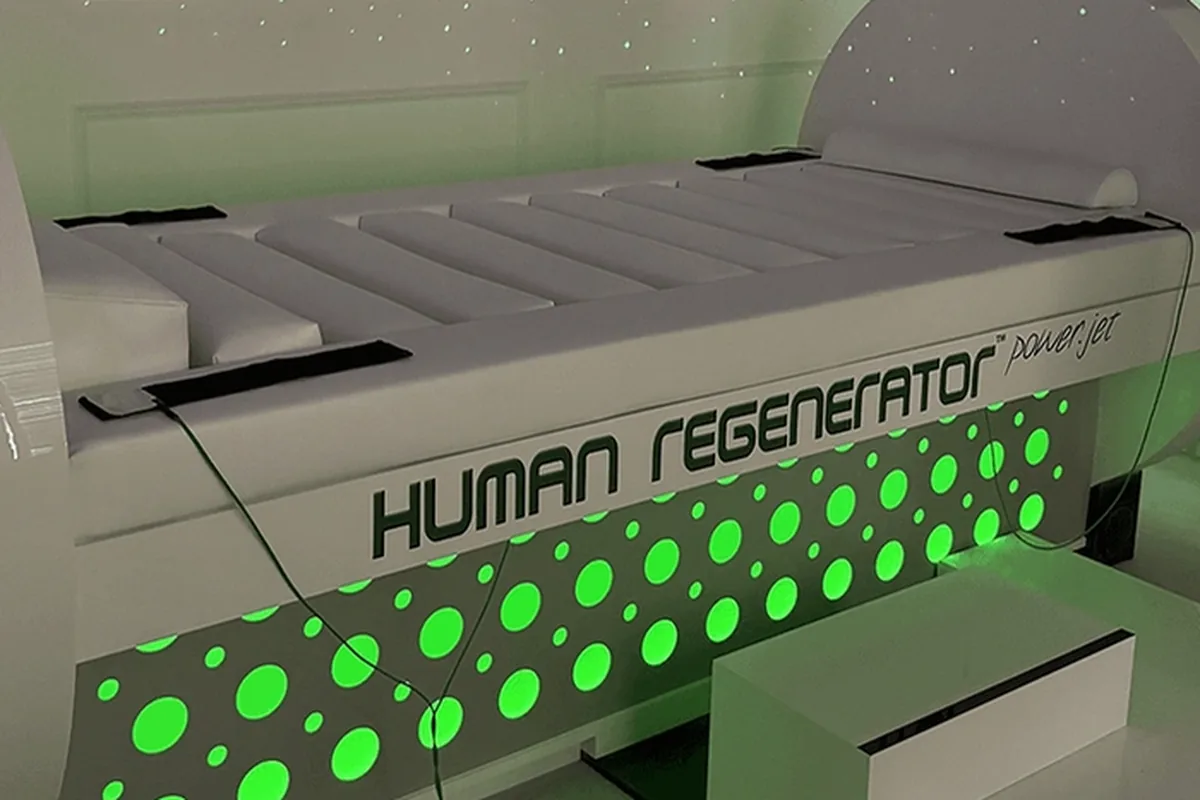
Therapies at RejuvStem often integrate supportive modalities to optimize outcomes. For instance, many patients undergo a plasmapheresis session before receiving Muse cells. This process filters the blood to remove inflammatory factors and “flush out” any inhibitory signals, essentially preparing the body to fully accept the Muse cells. Think of it as weeding and tilling the soil before planting a garden. Once the patient’s internal environment is primed, the Muse stem cells (along with growth-factor-rich plasma and exosomes) are administered – an approach we term the “Dezawa Golden Bag” infusion. This proprietary IV cocktail, available exclusively at RejuvStem Cancún, combines Muse cells with their own regenerative exosomes and youthful plasma for a synergistic rejuvenation effect. While the Golden Bag IV therapy benefits overall wellness (anti-aging, immune support, etc.), it also directly aids musculoskeletal healing by reducing systemic inflammation and providing bioactive factors that complement the Muse cells’ action.
Every step of the treatment is done in a state-of-the-art medical facility in Cancún, under strict protocols to ensure patient safety and comfort. RejuvStem’s medical team is highly specialized in regenerative medicine, with experience in orthopedics and cell therapy. Patients often report that the infusion and injection procedures are minimally invasive and relatively painless – usually done on an outpatient basis. Over the subsequent weeks to months, as the Muse cells do their work, we monitor progress closely. Our exclusive license and expertise with Dezawa MuseCells® mean that patients receive genuine therapy, not an unproven imitation. This distinction is crucial, as the field of stem cells has many clinics offering generic “MSC” treatments; at RejuvStem, you are getting the real, clinically researched Dezawa MuseCells® Therapy – currently available nowhere else in Mexico.
Patient Success Stories
Perhaps the most inspiring part of this therapy is hearing real patient testimonials about their recovery. Here are a few examples of how Muse stem cell treatment at RejuvStem has transformed lives:
“I came to Cancún barely able to walk due to bone-on-bone osteoarthritis in my knees. After my Muse stem cell treatment, I am pain-free for the first time in years and even back to hiking. It feels like I have new knees – truly a miracle!” – John D., 67, California, USA
“Tearing my ACL was devastating – I thought I’d never play soccer again. We decided to try Muse cell therapy at RejuvStem, and I’m so glad we did. Within months, my knee felt stable and strong. My surgeon was amazed to see on MRI that the ligament fibers had actually regrown. I’m now back on the field, stronger than ever.” – Carlos M., thirtysomething, Mexico City, MX
“For years, I lived with chronic back pain from two degenerated discs. I tried physical therapy, injections, even surgery – nothing worked. The RejuvStem team infused me with Muse cells, and it’s like they repaired my spine from the inside. It’s been six months, and not only has my pain dramatically reduced, I’ve also regained mobility I thought was lost for good. This treatment gave me my life back.” – Sarah K., 45, Toronto, Canada
These are just a few of the many patients who have experienced significant improvements. Their stories echo a common theme: renewed hope and function thanks to Muse cells. While individual results can vary, RejuvStem tracks patient outcomes carefully and continues to see positive trends like improved joint range of motion, faster healing on imaging, reduced inflammation markers, and enhanced quality of life scores after Muse cell therapy.
Take the Next Step: Book Your Muse Stem Cell Consultation in Cancún
If you’re suffering from a musculoskeletal condition – be it a sports injury that won’t heal, debilitating arthritis, or back pain limiting your life – Dezawa MuseCells® therapy in Cancún, Mexico may be the game-changer you’ve been waiting for. We invite you to contact RejuvStem for a personalized consultation. Our medical experts will review your case and determine if you’re a good candidate for this breakthrough treatment.
Imagine a future with less pain and more mobility – where you can return to the activities you love without invasive surgery or long-term medications. Muse stem cell therapy is a potent tool to potentially regenerate cartilage, heal tendons/ligaments, mend fractures, and rejuvenate the spine. At RejuvStem, you’ll receive this therapy under the care of leading professionals in a world-class facility, all while enjoying the comfort and hospitality of beautiful Cancún.
Don’t let chronic pain or injury hold you back any longer. Take the first step toward regeneration and healing. Book your consultation with RejuvStem Cancún today, and discover how Dezawa MuseCells® can help you reclaim a healthier, more active life. Your journey to recovery could begin with a simple phone call or email – and the committed team at RejuvStem will guide you every step of the way, from initial inquiry to post-treatment follow-up. Embrace the future of musculoskeletal regeneration and get back to living on your terms!
Sources: Government and academic publications on Muse cells and stem cell therapy for musculoskeletal conditions have been used to ensure the information above is factual and evidence-based. Key references include NIH-indexed journal articles demonstrating Muse cells’ unique properties, their success in cartilage and bone repair models, and clinical studies of stem cells in tendon and disc injuries. These peer-reviewed findings underpin the claims and outcomes described, highlighting the credibility of Muse stem cell therapy as offered by RejuvStem.
- •Multilineage Differentiating Stress Enduring (Muse) Cells: A New Era of Stem Cell-Based Therapy – PubMed
- •Frontiers | Multilineage-differentiating stress-enduring cells: a powerful tool for tissue damage repair
- •A randomized controlled trial of stem cell injection for tendon tear | Scientific Reports
- •Multilineage-differentiating stress-enduring (Muse)-like cells exist in synovial tissue – PubMed
- •Mesenchymal stem cells can improve discogenic pain in patients with intervertebral disc degeneration: a systematic review and meta-analysis – PubMed