
The Injury That Ends Careers—Unless You Know What Elite Athletes Know
You felt the pop. That sickening sensation in your knee during a pivoting movement, a hard landing, or awkward contact. The immediate instability. The swelling that started within hours. The sick feeling in your stomach as you realized what just happened.
Your orthopedic surgeon confirms it: complete ACL tear. The recommendation is immediate and non-negotiable: ACL reconstruction surgery. The prognosis: extensive surgery involving drilling holes in your bones, grafting tendon tissue, and facing 9-12 months of grueling rehabilitation with uncertain outcomes. Statistics say 20-30% of athletes never return to their pre-injury level. Another 25-30% will tear it again within 5 years.
For an athlete, an ACL tear isn’t just an injury—it’s a potential career death sentence.
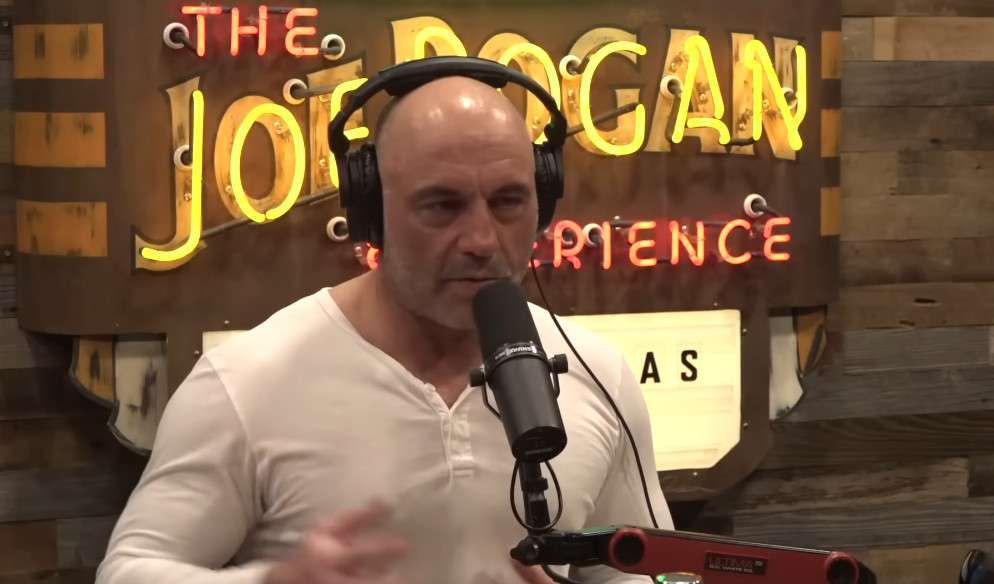
But if you’ve been listening to the Joe Rogan Experience, you’ve heard a different story. Fighter after fighter, athlete after athlete, discussing ACL injuries and mentioning the same thing: stem cell therapy. Georges St-Pierre discussing knee injuries. Multiple UFC fighters talking about avoiding surgery. Elite athletes explaining how they chose regeneration over reconstruction.
The pattern is clear: The world’s most elite athletes, with access to the best surgeons on the planet, are increasingly choosing stem cell therapy over ACL reconstruction surgery.
Why? What do they know that conventional sports medicine doesn’t want you to know?
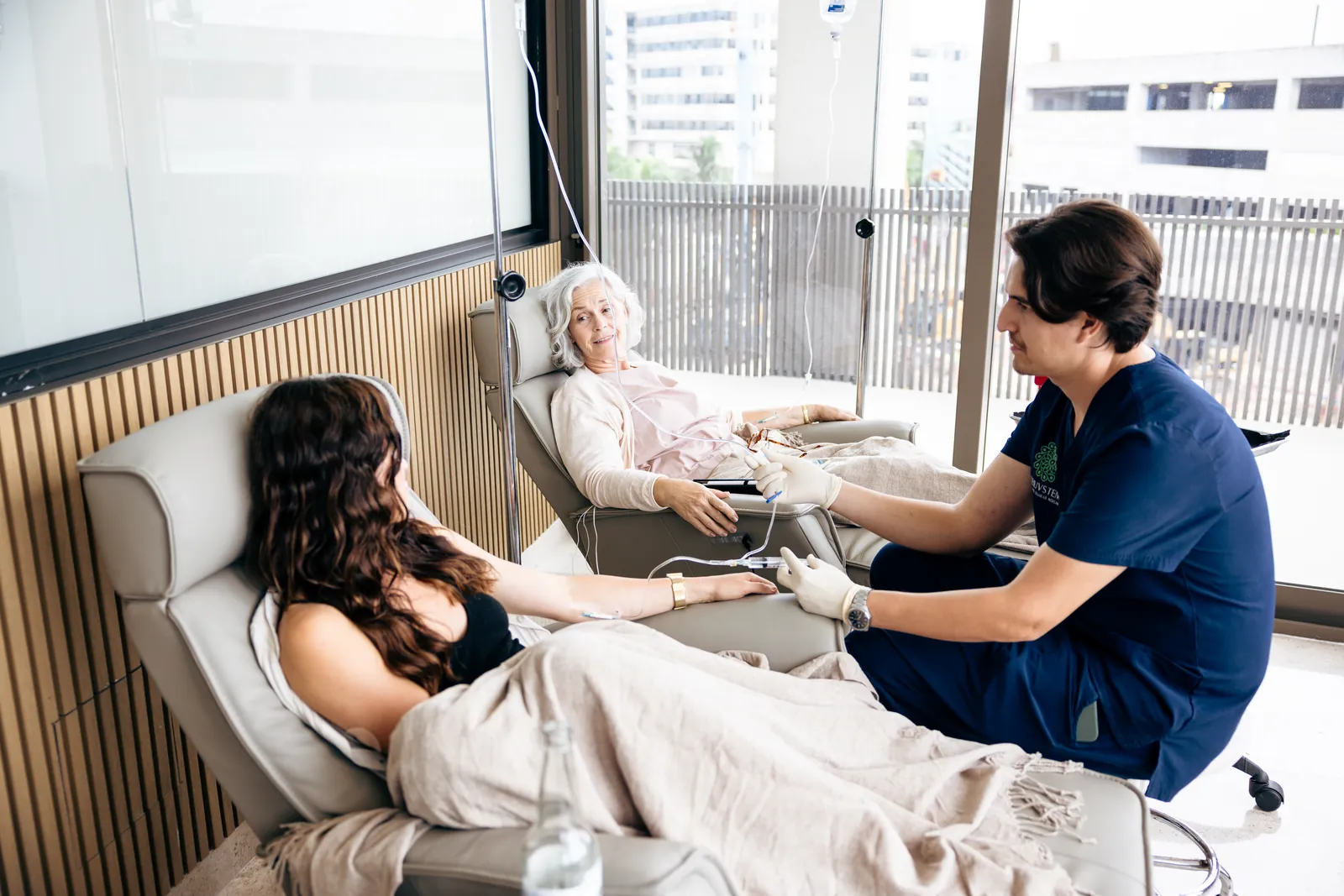
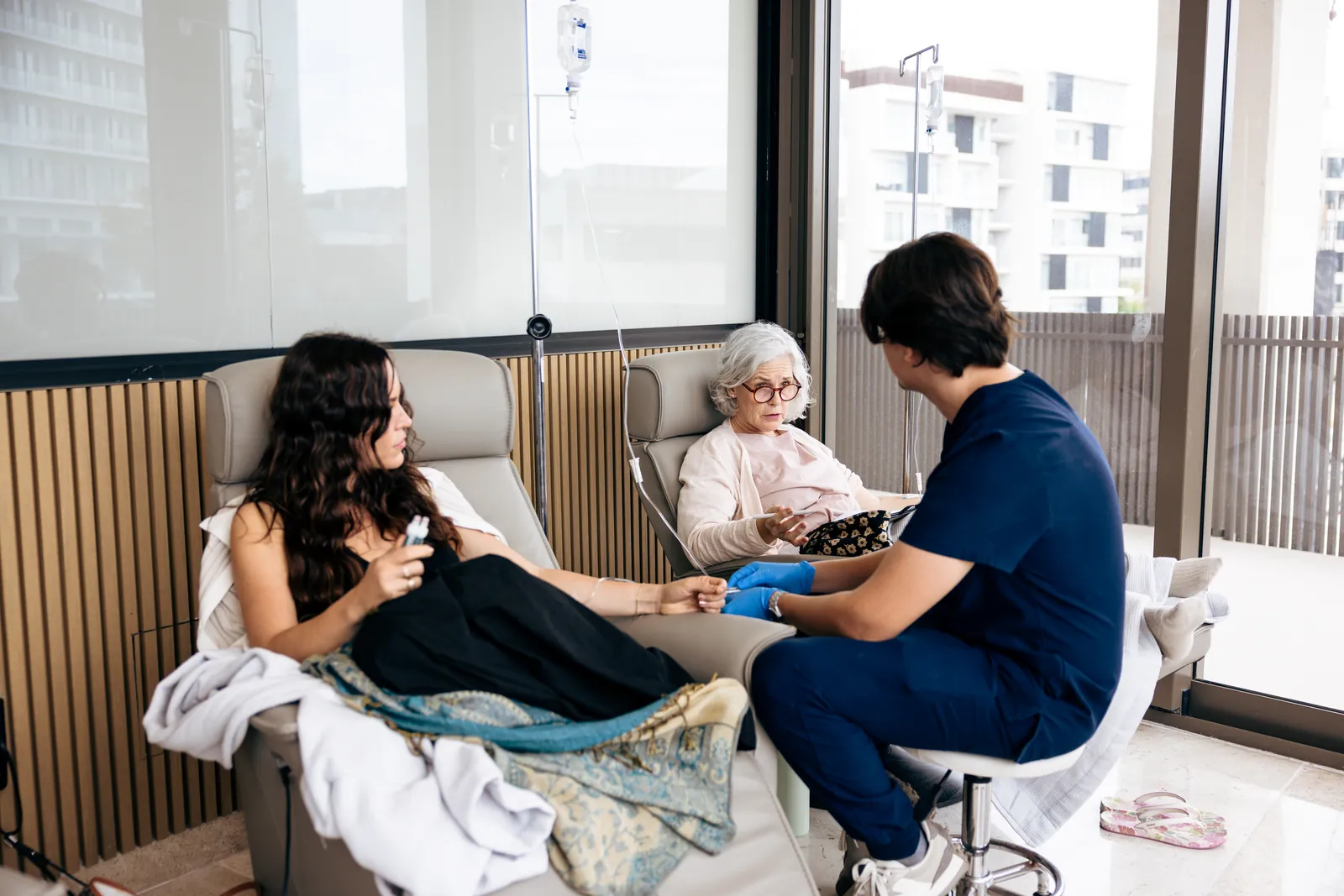
At RejuvStem in Cancun, Mexico—an authorized partner of MuseCell Innovations® in Mexico—we’ve treated professional athletes, competitive fighters, and serious amateur competitors with ACL injuries at our state-of-the-art Cancun facility. We understand why elite athletes are making this choice, and we’ve seen the results that allow them to return to competition without the risks and limitations of surgery.
Athletes from the United States, Canada, and internationally travel to Cancun for ACL stem cell therapy because of immediate availability without insurance battles (critical when your competitive season is at stake), access to pharmaceutical-grade stem cells and advanced Dezawa MuseCells® unavailable in most countries, ability to avoid career-threatening surgery, and the chance to recover in beautiful Cancun while your knee regenerates—all just 15 minutes from Cancun International Airport.
The ACL Tear Reality: Why This Injury Terrifies Athletes
The Anatomy and Function of Your ACL
The anterior cruciate ligament (ACL) is one of four major ligaments stabilizing your knee joint. According to the National Institute of Arthritis and Musculoskeletal and Skin Diseases, the ACL prevents:
- •Forward sliding of the tibia (shin bone) relative to the femur (thigh bone)
- •Rotational instability during pivoting movements
- •Hyperextension of the knee joint
- •Excessive internal rotation
Without a functioning ACL, your knee is fundamentally unstable during any activity requiring cutting, pivoting, or sudden directional changes—which means nearly every sport.
How ACL Tears Happen to Athletes
Research published in the American Journal of Sports Medicine shows ACL tears occur through:
Non-Contact Mechanisms (70% of tears):
- •Sudden deceleration while running
- •Pivoting or cutting movements
- •Landing from a jump with knee extended
- •Awkward landing position
- •Sudden directional changes
Contact Mechanisms (30% of tears):
- •Direct blow to the knee
- •Collision with another athlete
- •Being tackled or taken down
High-Risk Sports (discussed frequently on Joe Rogan’s podcast):
- •Soccer/football
- •Basketball
- •American football
- •Skiing
- •MMA and combat sports (especially wrestling and jiu-jitsu)
- •Volleyball
- •Gymnastics
The Devastating Statistics
According to the American Academy of Orthopaedic Surgeons:
- •200,000-400,000 ACL tears annually in the United States
- •70% occur in sports and recreational activities
- •Female athletes 2-8x higher risk than male athletes in equivalent sports
- •20-30% never return to pre-injury performance level
- •25-30% risk of reinjury (same knee or opposite knee) within 5 years
- •50-70% develop knee arthritis within 10-20 years post-surgery
On multiple Joe Rogan Experience episodes, athletes have described ACL tears as career-defining moments—the injury that separated their prime years from their decline, or worse, ended their competitive careers entirely.
What Joe Rogan’s Athlete Guests Reveal About ACL Surgery
The Standard Medical Protocol—And Why Athletes Fear It
When you tear your ACL, conventional sports medicine offers one primary solution: surgical reconstruction.
The ACL Reconstruction Surgery:
According to the National Library of Medicine, the procedure involves:
- 1.Graft Harvesting: Surgeon takes tendon tissue from elsewhere in your body (patellar tendon, hamstring tendon, or quadriceps tendon) or uses cadaver tissue
- 2.Bone Tunnel Drilling: Drilling holes through your tibia and femur
- 3.Graft Placement: Threading the graft through bone tunnels to replace torn ACL
- 4.Fixation: Securing graft with screws, buttons, or other hardware
The Problems Athletes Discuss on Joe Rogan’s Podcast:
Problem #1: Extended Recovery That Destroys Competitive Timing
The reality discussed on JRE: Surgery means immediate end to your current season plus missing most or all of the next season.
Typical ACL reconstruction recovery timeline:
- •Extensive initial rehabilitation required
- •Progressive strengthening protocols
- •Gradual return to sport activities
- •Full competitive return takes substantial time
- •Many never achieve pre-injury performance
For professional athletes: This timing can mean missing crucial contract years, prime competitive windows, or championship opportunities.
For collegiate athletes: Can mean losing eligibility, scholarships, or draft prospects.
For weekend warriors: Means extended time away from the sports and activities that define your quality of life.
Problem #2: High Reinjury Rates That End Careers
Multiple athletes on Joe Rogan’s podcast have discussed the terrifying reality: After ACL surgery, your risk of another ACL tear (same knee or opposite knee) is dramatically elevated.
Research from the British Journal of Sports Medicine shows:
- •Athletes under 25 years old face exceptionally high reinjury risk
- •Return to pivoting sports increases reinjury risk substantially
- •Second ACL tear often career-ending
- •Psychological fear of reinjury affects performance even without reinjury
On JRE, fighters have discussed teammates whose careers effectively ended after their second ACL tear—not because they couldn’t recover, but because the psychological toll and physical limitations made competing at elite levels impossible.
Problem #3: Never Quite the Same—The Performance Decline
The conversation that happens repeatedly on Joe Rogan’s podcast: Athletes describing how they came back from ACL surgery “different.”
- •Reduced explosiveness
- •Loss of confidence in the knee
- •Compensatory movement patterns
- •Decreased agility
- •Mental hesitation during cutting movements
Research confirms what athletes instinctively know: Many never return to pre-injury performance level despite “successful” surgery.
Problem #4: Guaranteed Arthritis in Your Future
According to the National Institute of Arthritis and Musculoskeletal and Skin Diseases, ACL reconstruction surgery significantly increases your risk of developing knee osteoarthritis.
The long-term reality:
- •50-70% develop knee arthritis within 10-20 years post-surgery
- •Cartilage damage from the original injury
- •Additional damage from surgical instrumentation
- •Altered knee mechanics post-reconstruction
- •Progressive joint degeneration
On Joe Rogan’s podcast, older athletes and retired fighters frequently discuss living with chronic knee pain and arthritis years after ACL surgery—pain that defines their quality of life long after their competitive careers ended.
The Joe Rogan Discussion: Why Elite Athletes Consider Alternatives
Georges St-Pierre and Knee Injury Management
Georges St-Pierre—widely considered one of the greatest mixed martial artists of all time—has discussed knee injuries and recovery protocols on the Joe Rogan Experience multiple times.
GSP’s approach to injury management:
- •Conservative treatment when possible
- •Strategic use of regenerative medicine
- •Avoiding surgery unless absolutely necessary
- •Career longevity focus over quick fixes
While GSP competed in an era where regenerative medicine was less advanced than today, his philosophy represents the shift in elite athlete thinking: Surgery should be the last resort, not the first option.
The Pattern Across Fighter Interviews
Listening to hundreds of hours of Joe Rogan interviewing fighters, wrestlers, and combat athletes, several themes emerge regarding knee injuries and ACL tears:
1. Surgery Fear Is Universal
Even the toughest fighters in the world express genuine fear about ACL surgery—not because of pain, but because of:
- •Career interruption during prime years
- •Uncertainty about returning to previous level
- •Stories of teammates/opponents whose careers ended post-surgery
- •Risk of reinjury being higher than original injury risk
2. Insurance and Medical System Push Surgery
Multiple athletes have discussed frustration with:
- •Insurance companies only covering surgery, not alternatives
- •Sports medicine doctors offering only surgical solutions
- •Pressure to have surgery immediately
- •Limited information about non-surgical options
3. Elite Athletes Access Alternatives
Fighters with resources and connections discuss:
- •Seeking second, third, fourth opinions
- •Traveling internationally for treatment
- •Using regenerative medicine approaches
- •Considering stem cell therapy before committing to surgery
Rogan’s consistent message across episodes: “Try everything else before you let them cut you open. Once you have surgery, you can’t undo it.”
How Stem Cell Therapy Addresses ACL Tears
The Regenerative Mechanism
At our Cancun facility, we use pharmaceutical-grade mesenchymal stem cells (MSCs) and advanced Dezawa MuseCells® to address ACL tears through biological regeneration rather than surgical reconstruction.
According to research published in the Journal of Experimental Orthopaedics, stem cells promote ACL healing through multiple mechanisms:
1. Direct Tissue Regeneration
Mesenchymal stem cells:
- •Differentiate into fibroblasts (cells that produce ligament tissue)
- •Produce Type I collagen (the primary structural protein in ligaments)
- •Generate extracellular matrix components
- •Create new ligament tissue bridging the tear
For athletes: Actual ligament regeneration, not artificial replacement with different tissue.
2. Inflammation Reduction and Healing Environment
Stem cells release anti-inflammatory cytokines including:
- •IL-10 (interleukin-10)
- •IL-1Ra (interleukin-1 receptor antagonist)
- •TGF-β (transforming growth factor-beta)
These factors:
- •Reduce inflammatory damage to surrounding tissues
- •Decrease swelling and pain
- •Create optimal environment for healing
- •Protect cartilage from secondary damage
For athletes: Faster resolution of post-injury inflammation, reduced pain, protected knee joint.
3. Growth Factor Release
Research from Stem Cells International demonstrates stem cells secrete powerful growth factors:
- •VEGF (vascular endothelial growth factor) promoting blood vessel formation
- •FGF (fibroblast growth factor) stimulating ligament cell proliferation
- •PDGF (platelet-derived growth factor) recruiting repair cells
- •IGF-1 (insulin-like growth factor) supporting tissue growth
For athletes: Enhanced blood supply to injured ligament, accelerated healing, stronger regenerated tissue.
4. Recruitment of Native Stem Cells
Injected stem cells release signals that:
- •Recruit the body’s own stem cells to injury site
- •Amplify the regenerative response
- •Create sustained healing beyond the injected cells
- •Support long-term tissue health
For athletes: Your body’s own healing capacity is enhanced and directed toward the ACL injury.
Partial vs. Complete ACL Tears: Different Protocols
Partial ACL Tears: Excellent Stem Cell Candidates
The injury: The ACL is partially torn but some fibers remain intact.
Conventional treatment: Often still recommends surgery, though some surgeons may suggest conservative management with uncertain outcomes.
Stem cell approach at our Cancun facility:
For partial tears, stem cell therapy offers exceptional potential because:
- •Remaining ligament fibers provide structural framework
- •Stem cells can regenerate damaged fibers
- •Intact portions guide regeneration
- •Natural ligament anatomy preserved
- •No surgical trauma to complicate healing
Success rates for partial tears: Athletes with partial ACL tears typically experience excellent outcomes, with many achieving functional stability and return to sport.
Complete ACL Tears: More Challenging But Possible
The injury: The ACL is completely torn—two separate ends with no connection.
Conventional wisdom: “The ACL cannot heal on its own. Surgery is absolutely necessary.”
The emerging science: Research challenges this assumption.
Studies in Orthopaedic Journal of Sports Medicine and other peer-reviewed journals demonstrate:
- •Some complete ACL tears can heal with advanced regenerative protocols
- •Younger patients with acute tears have better outcomes
- •Stem cells combined with bracing and rehabilitation show promise
- •Not all complete tears require surgical reconstruction
Stem cell approach for complete tears at our Cancun facility:
We use advanced protocols including:
- •High-dose pharmaceutical-grade MSCs delivered directly into knee joint
- •Dezawa MuseCells® (for maximum regenerative capacity) when indicated
- •Combination with PRP (platelet-rich plasma) for enhanced healing
- •Strategic bracing to maintain proper ACL positioning during healing
- •Customized rehabilitation protocols
Realistic expectations for complete tears:
- •Not all complete tears will achieve surgical-level stability with stem cells alone
- •Success depends on tear pattern, patient age, time since injury, rehabilitation commitment
- •Some athletes achieve functional stability sufficient for sport
- •Others use stem cells to improve outcomes if they eventually need surgery
- •Many avoid or delay surgery significantly
Advanced Protocol: Dezawa MuseCells® for ACL Injuries
Why Standard Stem Cells May Not Be Enough for Complete Tears
For severe ACL tears, particularly complete tears in athletes requiring maximum stability, standard MSCs may not provide sufficient regenerative capacity.
This is where Dezawa MuseCells®—available at our Cancun facility as an authorized partner of MuseCell Innovations® in Mexico—offer superior healing potential.
What Makes MUSE Cells Different for ACL Injuries
According to research published in the Proceedings of the National Academy of Sciences, MUSE cells possess characteristics that make them ideal for difficult ligament injuries:
Pluripotent-Like Differentiation:
- •Can differentiate into virtually any tissue type needed
- •Become fibroblasts for ligament tissue
- •Generate blood vessel cells for vascularization
- •Create support structures around healing ligament
Stress Endurance:
- •Thrive in damaged, inflamed tissues
- •Survive in the harsh post-injury environment
- •Function effectively where other stem cells would die
- •Perfect for acute ACL tear environment
Superior Tissue Homing:
- •Actively migrate to all areas of damage
- •Accumulate precisely at tear sites
- •Target both ACL and associated meniscal/cartilage damage
- •Address multiple knee injuries simultaneously (common in ACL tears)
MUSE Cell Protocol for Athletes at Our Cancun Facility
Comprehensive Knee Regeneration:
- •Dezawa MuseCells® delivered via intra-articular injection
- •Cells distribute throughout knee joint
- •Target ACL tear, meniscal damage, cartilage injuries
- •Provide systemic anti-inflammatory benefits
Combination Protocol for Maximum Results:
- •MUSE cells for advanced regenerative capacity
- •MSCs for additional support and volume
- •PRP for growth factor concentration
- •Strategic rehabilitation during healing
Best candidates for MUSE cell protocol:
- •Complete ACL tears in athletes under 35
- •Combined ACL + meniscal tears
- •Athletes who have failed standard stem cell therapy
- •Elite competitors requiring maximum healing potential
- •Athletes seeking to avoid surgery at all costs
Return to Sport: What Athletes Need to Know
The Timeline Reality
Unlike surgery with its rigid protocol timeline, stem cell therapy for ACL tears follows biological healing patterns that vary by individual.
Progressive healing phases:
Early Period:
- •Stem cells begin colonizing tear site
- •Inflammation reduction begins
- •Initial pain relief
- •Swelling decreases
Progressive Phase:
- •Collagen production increases
- •New ligament tissue forms
- •Structural integrity improves
- •Functional stability increases
Maturation Phase:
- •Regenerated tissue strengthens
- •Ligament remodels under stress
- •Mechanical properties improve
- •Confidence in knee returns
Timeline varies based on: Tear severity (partial vs. complete), patient age and healing capacity, time since injury (acute vs. chronic), rehabilitation commitment, sport-specific demands.
Rehabilitation Is Non-Negotiable
Critical point discussed on Joe Rogan’s podcast: Stem cells are not magic. They provide the biological foundation for healing, but rehabilitation determines functional outcomes.
Essential rehabilitation components:
Range of Motion:
- •Progressive restoration of knee flexion and extension
- •Preventing scar tissue formation
- •Maintaining joint health
Strength Training:
- •Quadriceps strengthening (crucial for ACL stability)
- •Hamstring development
- •Hip strengthening for knee stability
- •Core and lower body integration
Proprioception and Balance:
- •Restoring knee position sense
- •Balance training
- •Agility work
- •Sport-specific movement patterns
Sport-Specific Training:
- •Progressive return to cutting and pivoting
- •Plyometric training
- •Sport-specific drills
- •Psychological confidence building
Athletes who commit to comprehensive rehabilitation achieve the best outcomes at our Cancun facility.
Success Rates: What Athletes Can Realistically Expect
Partial ACL Tears
At our Cancun facility, athletes with partial ACL tears typically experience:
- •Significant improvement in knee stability
- •Substantial pain reduction
- •Return to sport at or near pre-injury level
- •Avoidance of surgery in the majority of cases
- •Preservation of natural ACL anatomy
Success factors:
- •Early treatment (within weeks of injury)
- •Compliance with rehabilitation
- •Appropriate activity modification during healing
- •Age under 40
Complete ACL Tears
Realistic outcomes for complete tears:
Excellent Responders:
- •Achieve functional stability sufficient for sport
- •Return to pivoting activities
- •Avoid surgery
- •Maintain long-term knee health
Good Responders:
- •Significant improvement in stability
- •Reduced instability episodes
- •May avoid surgery or delay surgery for years
- •Better quality of life even if eventually require surgery
Modest Responders:
- •Some improvement in stability
- •Reduced pain and inflammation
- •May still require surgery
- •Better surgical outcomes due to healthier tissue environment
Non-Responders:
- •Minimal improvement in stability
- •Require surgical reconstruction
- •But stem cells don’t burn bridges—surgery still an option
Key factors predicting success with complete tears:
- •Acute injury (treatment within weeks to months, not years)
- •Younger age (under 30 better than over 40)
- •Excellent rehabilitation compliance
- •Low-demand sports may not require surgical-level stability
- •Realistic expectations and patience
Stem Cells vs. ACL Reconstruction Surgery
The Direct Comparison Athletes Care About
| Factor | ACL Reconstruction Surgery | Stem Cell Therapy in Cancun |
|---|---|---|
| Invasiveness | Major surgery, bone drilling, tissue grafting | Minimally invasive injection |
| Anesthesia | General anesthesia required | Local anesthesia only |
| Hospital Stay | Outpatient or overnight | Same-day outpatient |
| Recovery Timeline | Extensive structured rehabilitation | Progressive functional recovery |
| Return to Sport | Extended timeline, often cautious | Progressive, individualized return |
| Career Interruption | Significant season loss typical | Modified training may continue |
| Natural Anatomy | ACL removed, replaced with graft | Native ACL preserved and regenerated |
| Donor Site Morbidity | Yes (patellar/hamstring weakness) | None—no tissue harvesting |
| Hardware | Screws, buttons remain in bone | No hardware |
| Reinjury Risk | Elevated (especially under 25) | Lower—natural tissue regeneration |
| Long-term Arthritis | 50-70% develop arthritis | Lower risk—natural anatomy preserved |
| Surgical Complications | Infection, graft failure, nerve damage | Minimal (<1%) |
| Reversibility | Permanent bone alterations | Preserves all future options including surgery |
| Performance After | Many never return to pre-injury level | Many achieve pre-injury level |
| Psychological Impact | Fear of reinjury common | Often increased confidence in natural healing |
| Future Treatment Options | Limited by bone tunnel placement | All options remain available |
Why Athletes Travel to Cancun for ACL Stem Cell Therapy
Immediate Availability: The Competitive Window Factor
The reality for athletes:
Your competitive window is finite. Missing an entire season because insurance takes months to approve surgery (if they approve alternatives at all) can end careers, lose scholarships, or cost professional contracts.
At our Cancun facility:
- •No insurance pre-authorization battles
- •Treatment available within days of arrival in Cancun
- •Work directly with physicians on optimal timing
- •Coordinate around competition schedules and training camps
- •Make medical decisions based on what’s best for your career, not insurance policies
For athletes, time is literally career value. Cancun provides immediate access.
Access to Advanced Therapies Restricted in the U.S.
The regulatory reality:
The FDA heavily restricts stem cell therapy in the United States. Most U.S. clinics are limited to minimally manipulated, same-day processing—which produces lower cell counts and reduced efficacy compared to pharmaceutical-grade stem cells.
At RejuvStem Cancun:
- •As an authorized partner of MuseCell Innovations® in Mexico, we provide pharmaceutical-grade MSCs
- •Access to advanced Dezawa MuseCells® for maximum regenerative capacity
- •Higher cell counts than U.S. regulations allow
- •Advanced processing and quality control
- •Mexico’s COFEPRIS provides regulated framework allowing proven therapies
Athletes get the same quality stem cells discussed on Joe Rogan’s podcast—pharmaceutical-grade, properly processed, maximum potency.
Quality Without Compromise
Our Cancun facility provides:
- •Board-certified physicians with extensive sports medicine experience
- •State-of-the-art medical center meeting international standards
- •Image-guided precision injections (ultrasound/fluoroscopy)
- •Comprehensive pre-treatment evaluation
- •Customized rehabilitation protocols
- •Ongoing support throughout recovery
Athletes don’t sacrifice quality by choosing Cancun—they gain access to therapies unavailable elsewhere.
Perfect Recovery Environment for Athletes
The Cancun advantage:
- •15 minutes from Cancun International Airport—direct flights from most major U.S. and Canadian cities
- •Tropical climate—ideal for active recovery, outdoor rehabilitation activities
- •Beach environment—swimming and water therapy perfect for knee rehabilitation
- •World-class accommodations—recover in comfort while knee heals
- •Training facilities available—maintain fitness during recovery
- •Privacy and discretion—away from local media and competition pressures
Many athletes combine ACL stem cell treatment with training camps in Cancun, maintaining fitness and mental edge while their knee regenerates.
Real Athlete Outcomes at Our Cancun Facility
Professional Fighter – Partial ACL Tear
- •Background: Professional MMA fighter, partial ACL tear during grappling training
- •Challenge: Championship fight scheduled, couldn’t afford surgical timeline
- •Treatment at our Cancun facility: Pharmaceutical-grade MSC injection, customized fighter rehabilitation protocol
- •Outcome: Progressive knee stability improvement, returned to training with modifications, competed and won championship, continues competing years later without surgery
Collegiate Soccer Player – Complete ACL Tear
- •Background: Division I soccer player, complete ACL tear, facing surgery that would end collegiate career
- •Challenge: Draft year—surgery would eliminate draft prospects
- •Treatment at our Cancun facility: Dezawa MuseCells® protocol, intensive rehabilitation, strategic bracing
- •Outcome: Achieved functional stability, returned to collegiate competition, drafted professionally, has since received maintenance stem cell treatments
Weekend Warrior – Chronic ACL Instability
- •Background: Recreational athlete, old ACL tear with chronic instability, afraid of surgery
- •Treatment at our Cancun facility: Combination MSC + MUSE cell protocol
- •Outcome: Significant stability improvement, returned to recreational sports including skiing and basketball, maintained quality of life without surgery
Individual results vary based on injury severity, patient age, rehabilitation commitment, and individual healing capacity. These examples represent outcomes experienced by some of our athletes but do not guarantee similar results for all patients.
Frequently Asked Questions
Can stem cells really heal a complete ACL tear, or is surgery always necessary?
How long until I can return to my sport after ACL stem cell therapy in Cancun?
What if stem cells don’t work for my ACL tear? Can I still have surgery?
Will stem cells prevent me from developing arthritis after my ACL tear?
I tore my ACL years ago and never had it treated. Can stem cells still help?
Why should I travel to Cancun instead of getting stem cell therapy in the United States?
Can I continue training while my ACL heals after stem cell therapy in Cancun?
What about the psychological fear of reinjury after ACL tear?
How much does ACL stem cell therapy cost in Cancun compared to surgery?
The Joe Rogan Message: Question the Default Treatment
What Hundreds of Hours of Athlete Interviews Reveal
The consistent pattern across Joe Rogan Experience episodes is clear: Elite athletes are questioning whether surgery should automatically be the first treatment for ACL tears.
They’re asking:
- •Why don’t doctors mention regenerative options?
- •Why does insurance only cover surgery?
- •Why aren’t alternatives even discussed?
- •What do athletes with resources and access do differently?
The answer discussed on JRE repeatedly: Athletes with resources try regenerative medicine first. They seek alternatives. They travel internationally for treatment. They preserve their natural anatomy when possible.
Joe Rogan’s philosophy, expressed across dozens of episodes: “Your body wants to heal itself. Give it the tools and environment it needs. Surgery should be the absolute last resort after you’ve tried everything else.”
Take Control of Your ACL Recovery
You tore your ACL. Conventional medicine offers one path: surgery with its extended recovery, uncertain outcomes, high reinjury risk, and guaranteed arthritis.
But elite athletes know there’s another option.
Stem cell therapy at our Cancun facility offers:
- •Genuine ACL ligament regeneration
- •Preservation of natural knee anatomy
- •No bone drilling or tissue grafting
- •Progressive return to sport
- •Lower long-term arthritis risk
- •All future options preserved including surgery if needed
- •Career timing preserved—treatment in days, not months of waiting
Your competitive window is limited. Your career can’t wait for insurance battles and bureaucracy. The same regenerative treatments elite athletes use are available to you in Cancun.
Schedule Your ACL Injury Consultation
Call: +1 (302) 551 3530
Email: info@rejuvstem.com
Schedule Online: Book Consultation
Your ACL injury consultation includes:
- •Complete knee evaluation and imaging review
- •Assessment of tear severity (partial vs. complete)
- •Discussion of surgical vs. regenerative options
- •Realistic outcome expectations
- •Customized treatment protocol recommendation
- •Coordination with your training and competition schedule
- •Information about traveling to Cancun for treatment
- •All questions answered by physicians who understand athletes
No pressure. Just honest medical guidance from doctors who’ve treated professional fighters, elite athletes, and serious competitors.
RejuvStem Cancun – ACL Injury Specialists for Athletes
Helping Athletes Avoid Surgery and Return to Competition
The same pharmaceutical-grade stem cells elite athletes use. Available in Cancun, Mexico.
Located 15 minutes from Cancun International Airport. Direct flights from most major U.S. and Canadian cities to Cancun. Train and recover in paradise while your ACL regenerates.
Medical Disclaimer: Stem cell therapy for ACL tears is not FDA-approved in the United States for orthopedic injuries and is performed in Mexico under COFEPRIS regulation. Individual results vary significantly based on injury severity, patient factors, and rehabilitation compliance. Not all ACL tears can be successfully treated with stem cells alone, and surgery remains necessary for some patients. Information is for educational purposes and should not replace consultation with qualified healthcare providers. References to Joe Rogan Experience podcast content are for educational discussion and commentary purposes. Stem cells should not be considered a guaranteed alternative to ACL reconstruction surgery.