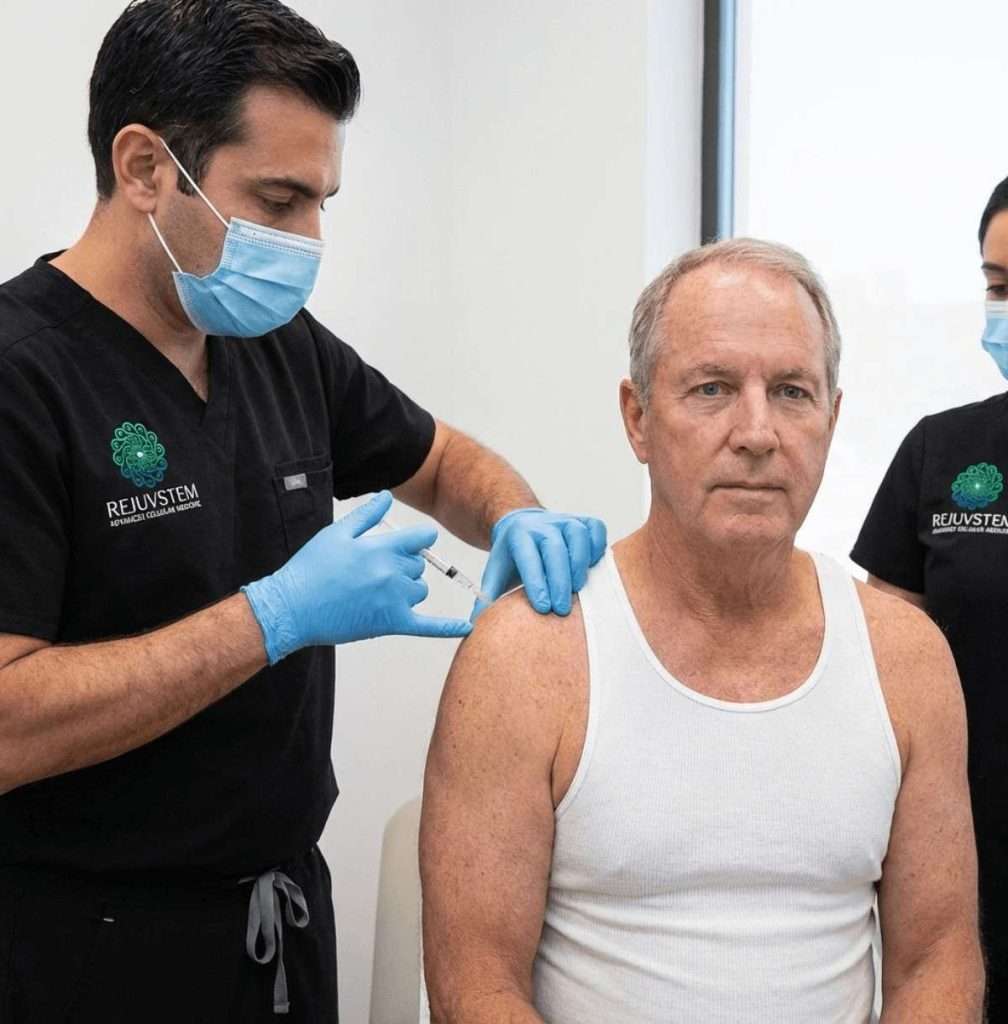
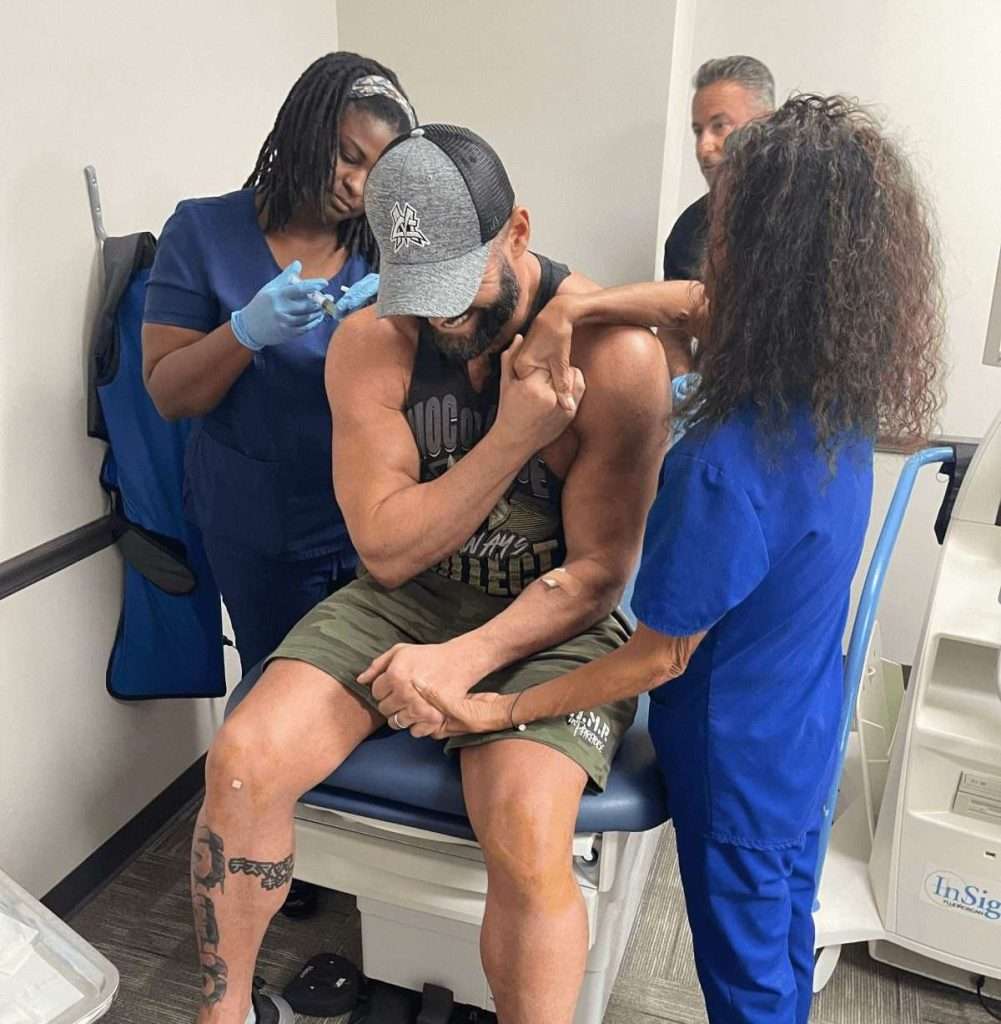
Living with arthritis in the hip, knee, or shoulder can be debilitating. These joints are essential for everyday movement, and when arthritis strikes, it brings pain, stiffness, and loss of function. In fact, osteoarthritis (the “wear-and-tear” form of arthritis) affects approximately 650 million people over age 40 worldwide and is a leading cause of disability[8]. Traditional treatments – like pain medications, steroid injections, or eventually joint replacement surgery – often manage symptoms but don’t reverse the underlying damage[9]. This has led patients and doctors alike to seek better solutions. One of the most exciting emerging options is stem cell therapy – an innovative regenerative medicine approach that aims to heal joints from within rather than just numbing the pain.
In this educational guide, we’ll explore how stem cell therapy is being used for hip, knee, and shoulder arthritis, equally focusing on each joint. We’ll break down what stem cells are and how they work, highlight new research findings (with scientific references) showing positive results, and discuss why so many clinics and patients are enthusiastic about this therapy. Importantly, we’ll maintain a conversational tone – think of this as a friendly overview of a promising treatment, not a sales pitch or a medical claim. By the end, you should have a clear understanding of why stem cells are generating buzz in the arthritis world and how a clinic like RejuvStem in Cancún, Mexico is offering cutting-edge regenerative treatments for these common joint problems.
Understanding Arthritis in Hips, Knees, and Shoulders
Before diving into stem cells, let’s briefly recap what arthritis means in these major joints. Osteoarthritis (OA) is the most common type, often related to age, wear-and-tear, past injuries, or repetitive stress. In a healthy joint, a layer of smooth cartilage covers the bone ends, allowing painless movement. With osteoarthritis, that cartilage gradually breaks down, causing bones to rub together. The result? Pain, swelling, stiffness, and reduced mobility in the joint. Over time, joints can even become deformed, and bone spurs may develop. For example, knee OA often leads to difficulty walking or climbing stairs; hip OA can cause groin pain and trouble bending; shoulder OA might make it hard to lift your arm or reach behind your back.
Current treatments for osteoarthritis focus on symptom relief. Doctors commonly recommend exercise, weight loss, and physical therapy to strengthen the muscles around the joint. Medications like NSAIDs (e.g. ibuprofen) help reduce pain and inflammation[9]. Injections of corticosteroids or hyaluronic acid into the joint can provide temporary relief. However, no drug can yet stop or reverse the cartilage degeneration of arthritis[9]. When pain becomes severe and function is badly limited, joint replacement surgery is often the “last resort” – for instance, total knee or hip replacements are very common. While these surgeries can be life-changing for many patients, they come with risks, significant recovery time, and finite lifespan of the artificial joint (often requiring revision surgery years later). For shoulders, replacements are less common than for hips or knees, but severe shoulder arthritis can also be treated with a shoulder joint replacement if needed.
Given these limitations, it’s no wonder researchers and clinicians have been eagerly exploring regenerative medicine approaches. The goal of regenerative therapy is to repair or regrow the damaged tissues – in the case of arthritis, that means restoring healthy cartilage, reducing inflammation, and strengthening the joint’s supportive structures. This is where stem cells come into play as a potential game-changer.
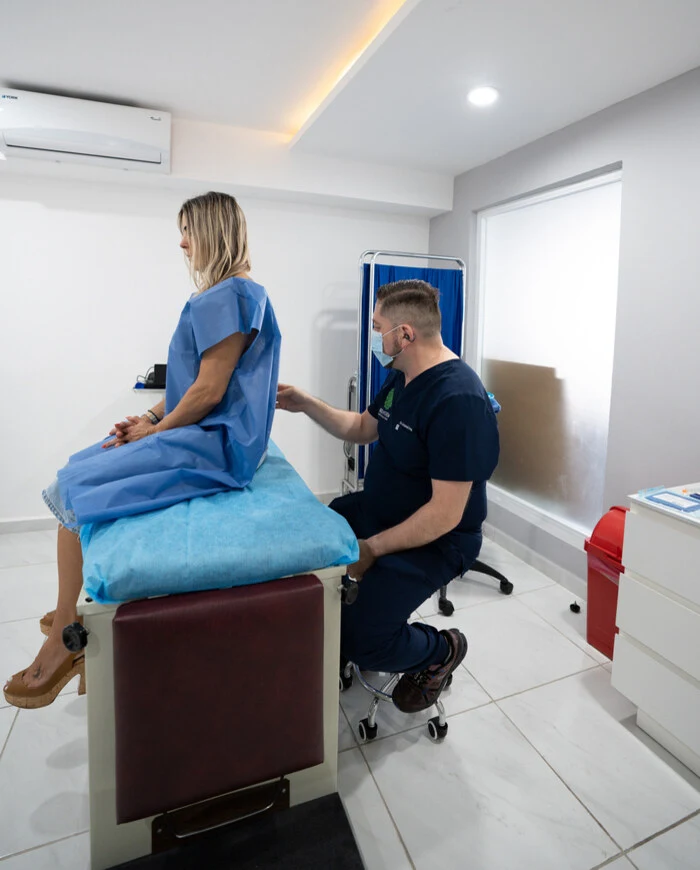
What Are Stem Cells and Why Might They Help Arthritis?
Stem cells are often described as the body’s “master cells” or “building blocks.” Unlike regular cells (which have specific jobs like muscle cell, skin cell, bone cell, etc.), stem cells are unspecialized – they can turn into different types of tissue and help coordinate healing. In particular, mesenchymal stem cells (MSCs) have gained attention for orthopedic conditions. MSCs can be found in adults in places like bone marrow, body fat (adipose tissue), and even birth tissues like umbilical cord (Wharton’s Jelly). These cells have several key properties that make them promising for treating arthritis:
- They can become cartilage cells: Under the right conditions, MSCs can differentiate (mature) into chondrocytes, the cells that produce cartilage[10]. This means, in theory, they could help regenerate the lost cartilage in a worn-out knee or hip joint.
- They reduce inflammation: MSCs act like little pharmacies, secreting useful molecules (growth factors, cytokines, extracellular vesicles) that calm down inflammation and modulate the immune response in the joint[10]. Since osteoarthritis involves a lot of inflammation in the joint lining and tissues, this is very beneficial – reducing inflammation can slow down cartilage destruction and relieve pain[11][12].
- They support tissue repair: Beyond potentially forming new tissue themselves, stem cells also send signals that encourage the body’s own repair mechanisms. They can improve the “microenvironment” of the joint, encouraging other cells to repair bone or cartilage and improving blood flow to the area[10][13].
- They are generally very safe and friendly to the body: MSCs have low immunogenicity (meaning the body’s immune system doesn’t tend to reject or react against them). They can be used from the same person (autologous) or even from donors (allogeneic) with a low risk of adverse reaction[14]. Unlike embryonic stem cells, adult MSCs are not known to form tumors or other dangerous growths. Ethically, using adult stem cells or birth-tissue stem cells is widely accepted, since no embryos are harmed and often the cells come from tissues that would otherwise be discarded (like the umbilical cord after birth).
In summary, think of stem cell therapy for arthritis as sending a fresh team of “construction workers” and “medics” into your injured joint. They have the tools to rebuild cartilage, the first-aid kit to reduce inflammation, and the communication skills to direct other cells to aid in the repair. All of this addresses the root problems in arthritis rather than just masking pain.
How Is Stem Cell Therapy Done for Joints?
In practice, treating an arthritic joint with stem cells is typically a minimally invasive, same-day procedure. It usually involves injecting concentrated stem cells directly into the affected joint (often guided by ultrasound or X-ray to ensure accurate placement). The sources of stem cells can vary:
- Bone marrow-derived: A doctor can take a sample of your own bone marrow (often from the pelvis), concentrate it (this is called bone marrow concentrate or BMC), and inject the solution into your joint. This BMC contains MSCs along with other helpful cells. Some orthopedic clinics use this method in the same surgical session.
- Adipose (fat)-derived: MSCs also reside in your fat tissue. Clinics can perform a small lipoaspiration (like a mini liposuction), isolate the cells (or sometimes use microfragmented adipose tissue which acts as a natural scaffold with stem cells in it), and inject that into the joint.
- Umbilical cord-derived: In advanced clinics and many international centers, donor stem cells from umbilical cord tissue (Wharton’s Jelly) are used. These are harvested from healthy births (with consent), and processed in a lab to produce doses of MSCs. Umbilical MSCs are youthful and potent, and since they’re immune-privileged, they can be given to a patient without matching.
- Culture-expanded MSCs: Some clinics, especially outside the U.S., actually grow the cells in a lab to get a higher number of MSCs before injection. For instance, expanding from a few million cells to tens of millions. There is some evidence that dosage might matter (higher cell counts potentially yielding better results in some studies)[1]. However, expansion must be done under strict laboratory conditions to maintain safety and potency.
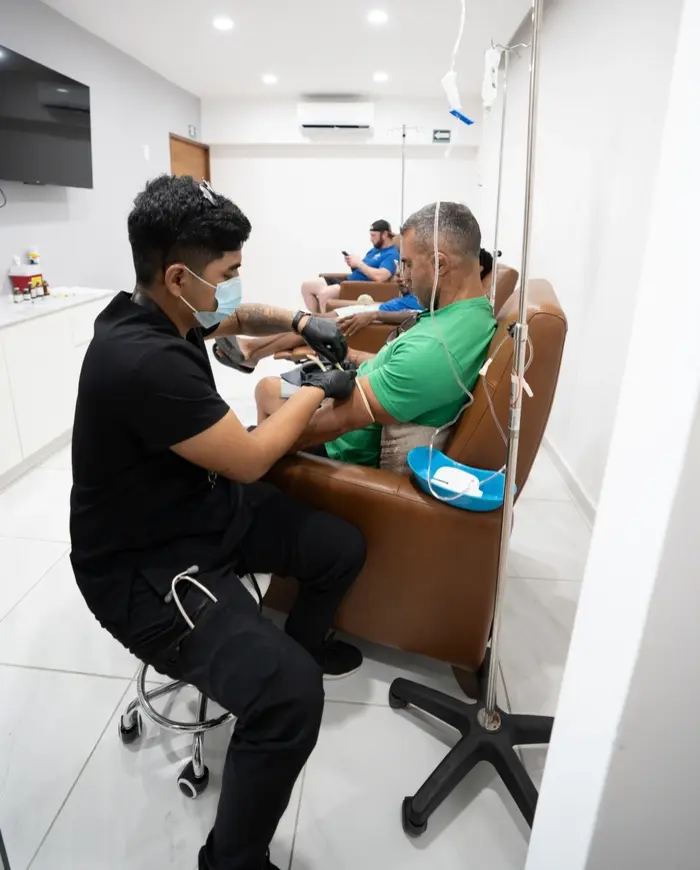
The procedure for the patient is straightforward compared to surgery: there is typically just a needle involved rather than a scalpel. If one’s own cells are used, there will be a harvesting step (which can be done under local anesthesia). If donor cells are used, it’s just a direct injection. Patients often go home the same day. Because it’s your own tissue or a carefully screened donor product, the risk of allergic reaction is minimal. The most common side effect is temporary soreness at the injection site. Importantly, current studies have found no significant difference in adverse events between patients who received stem cell injections and those who received placebo injections – in other words, it appears to be as safe as a saline injection in the data so far[15].
Once injected, the stem cells get to work over the ensuing days, weeks, and months. Relief is not always immediate – this isn’t a painkiller. Instead, patients may notice gradual improvements in pain and function as the cells reduce inflammation and potentially aid tissue repair. Many people start to feel better within a few weeks, but significant improvements often unfold over several months as the healing processes take place[11][12]. It’s a bit like planting seeds: you won’t have full blooms overnight, but given time and the right conditions, the joint can noticeably recover beyond what standard therapies achieve.
Now that we have a sense of why stem cells might help arthritis and how the treatment is done, let’s look at what scientific studies and patient experiences are showing for each of these major joints.
Stem Cell Therapy for Knee Arthritis: What Studies Show
If there’s one joint that has been the poster child for stem cell therapy in orthopedics, it’s the knee. Knees bear our weight, take a pounding over years of activities, and consequently knee osteoarthritis is incredibly common. The good news is that knees have also been the focus of the most regenerative medicine research so far.
Numerous clinical trials – including high-quality randomized controlled trials – have examined injecting MSCs into arthritic knees. The overall findings are encouraging:
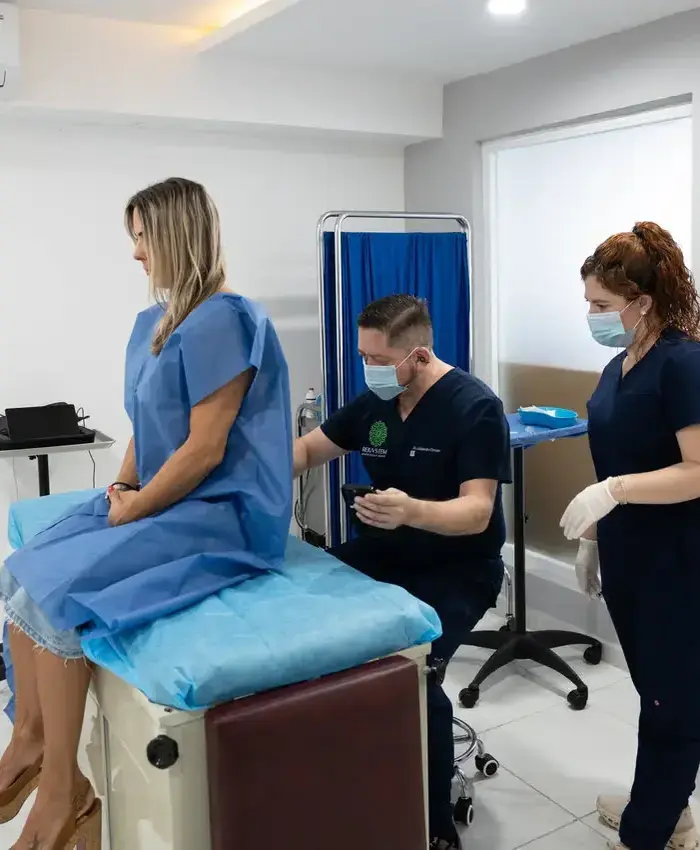
- A comprehensive meta-analysis published in 2025 pooled data from 8 RCTs (502 patients total) and found that patients who received mesenchymal stem cell injections had significantly improved pain relief and better function at both 6 months and 12 months compared to those who got placebo or standard therapy[1]. On a common arthritis index (WOMAC, which measures pain/stiffness/function), scores improved by a meaningful margin with MSC treatment, whereas untreated knees continued to struggle. Importantly, this review noted no increase in adverse effects – the stem cell treated patients fared no worse in terms of side effects than controls[[15]10[15]][15].
- In plain language: people with knee arthritis who got stem cell shots felt better – they reported less pain, could walk and climb stairs more easily, and overall had a higher quality of life than those who did not receive stem cells. And they didn’t experience significant downsides.
- Other studies echo these results. For example, earlier meta-analyses and systematic reviews have also concluded that MSC therapy can relieve knee pain and improve function, at least in the short-to-medium term[16][17]. The magnitude of benefit can vary, and some studies with very strict placebo controls have shown more modest improvements, but the trend is positive.
- Some of the most exciting reports are imaging studies where they actually looked at the joint structure after treatment. While still somewhat preliminary, a few trials have noted signs of cartilage regeneration on MRI or arthroscopy – e.g. increased cartilage thickness or fill in areas of cartilage defects – after stem cell therapy. This suggests that in addition to symptom relief, there may be disease-modifying effects (repairing tissue). That said, cartilage regrowth is not guaranteed and remains a topic of ongoing research (more on that later).
- Many patients and clinicians have shared anecdotal successes: older adults who avoided knee replacement because their pain became manageable after stem cells, or athletes with chronic knee injuries who got back to running without surgery. These stories, combined with the scientific data, have driven a surge of interest in knee stem cell therapy.
To illustrate, consider that knee arthritis is an area where even orthopedic organizations are paying attention. There are ongoing large trials, such as one called the MILES study (at Duke University), comparing MSC injections to steroid injections in knee OA[18]. Early results from such trials will further clarify how well stem cells stack up against traditional treatments. (One early finding from a similar trial suggested MSC injections might provide similar pain relief to a steroid at 1 year[19]– which, if nothing else, shows stem cells can at least match the go-to temporary relief injection, and possibly with longer-lasting benefit since steroids wear off and can’t be repeated endlessly.)
Overall, for knee arthritis, stem cells are moving from an experimental idea to a plausible therapy that more and more clinics offer. It’s not FDA-approved as a standardized treatment in the U.S. yet (it’s considered investigational), but patients are obtaining it through medical studies or by visiting regenerative medicine clinics. The positive feedback from both studies and clinics is accumulating. It’s not a silver bullet or a guaranteed cure – but if you have an arthritic knee, the notion of injecting cells to actually heal the damage rather than just numbing the knee is very appealing, and the evidence so far suggests you may indeed get relief and functional improvement.
Stem Cell Therapy for Hip Arthritis: New Options to Avoid Surgery
The hip is another big weight-bearing joint that commonly develops osteoarthritis, particularly in older adults (or sometimes younger people with structural hip issues or extensive sports injuries). Hip arthritis can be excruciating and limiting – it often causes groin pain that radiates to the thigh, and can make walking or even sitting difficult. Traditionally, once hip arthritis becomes severe, a total hip replacement is the definitive solution. While hip replacements have a high success rate, not everyone is ready or able to undergo such a major surgery, especially younger patients who would outlive their first artificial hip and need a second one later.
Stem cell therapy is offering hope that some patients could repair or at least significantly delay hip degeneration without immediately jumping to surgery. Although research on stem cells for hip osteoarthritis is not as extensive as for knees, the findings so far are promising:
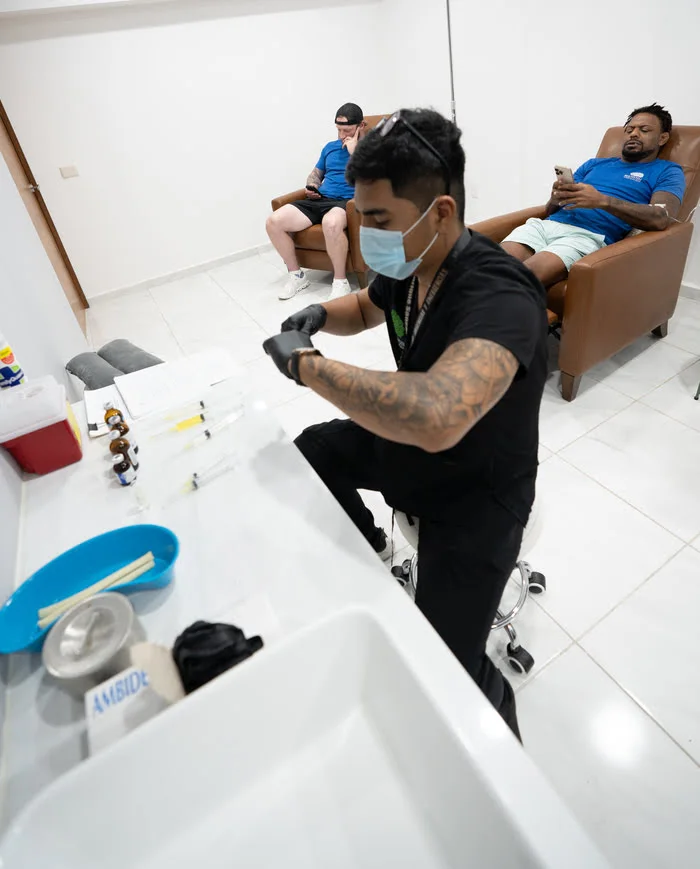
- Small clinical studies have shown that injecting a patient’s own MSCs into the hip can improve pain and mobility. For example, a pilot study in Italy treated 6 patients with their own adipose-derived stem cells for early-stage hip arthritis. After 6 months, patients saw their Harris Hip Scores (a measure of hip function) improve from about 67 (out of 100) before treatment to about 85 after treatment, and their WOMAC arthritis scores nearly halved (improved from 36 down to 20)[2]. No adverse effects were reported, and all patients had better range of motion and less pain. These are preliminary results and the study was small, but it demonstrated feasibility and positive outcomes.
- A 2024 scoping review looked at multiple studies using bone marrow stem cell injections for hip OA. It found that across 7 studies (72 total patients), all showed reductions in pain and improvements in functional scores after stem cell therapy[3]. In other words, every study included in the review reported beneficial clinical outcomes – which is encouraging consistency. The review concluded that MSC therapy for hip arthritis “appeared beneficial, improving clinical outcomes in each study”[3]. However, it also noted that all these studies used relatively low doses of cells and had varying follow-up periods, so there’s room to optimize treatment protocols and gather longer-term data.
- There are some eye-catching success stories in the context of hip joint problems. One notable example is not classic osteoarthritis but a related condition called osteonecrosis of the femoral head (where the blood supply to the hip bone is compromised, often requiring hip replacement in young patients). A Yale University report highlighted an orthopedic surgeon using patients’ own bone marrow stem cells during a hip preservation surgery (core decompression) to treat osteonecrosis. The results have been impressive – the stem cells helped regrow bone, restore blood flow, and prevent the collapse of the hip joint, reducing the need for hip replacements by an estimated 10% in these patients[7]. Many patients in their 30s and 40s avoided needing an artificial hip, which is significant[7][7]. While osteonecrosis is not the same as common osteoarthritis, this showcases the regenerative power of stem cells in the hip and hints at what might be possible in degenerative arthritis too.
- Patients with hip arthritis who have undergone stem cell injections often report being able to walk longer, sleep better (hip pain at night can be a big issue), and return to activities they love, like light sports or dancing. For instance, some middle-aged individuals who were told they’d need a hip replacement have tried stem cells as a way to postpone surgery – and a number of them have been able to extend the life of their natural hip by several years, symptom-free or with much reduced pain. Orthopedic specialists view this as a huge win, because every year of delay in a young patient might mean one less risky revision surgery down the line.
It’s worth noting that the hip joint is deep and surrounded by thick tissues, so delivering stem cells there can be a bit more technically challenging than a knee injection. It typically requires imaging guidance (often fluoroscopy or ultrasound) to ensure the cells are placed inside the joint capsule. This is why it’s crucial to have skilled physicians performing the procedure. When done properly, though, the procedure is quick and usually just as safe as any other joint injection.
The bottom line for hips: stem cell therapy is emerging as a potential alternative or adjunct to hip replacement, especially for those in early to mid stages of arthritis or those who cannot undergo surgery. It offers a chance at relief and improved joint health with far less trauma than a surgical replacement. More large studies are needed for hip OA specifically, but the early trends mirror what we see in knees – pain goes down, function goes up. For someone facing progressive hip pain, that’s very good news.
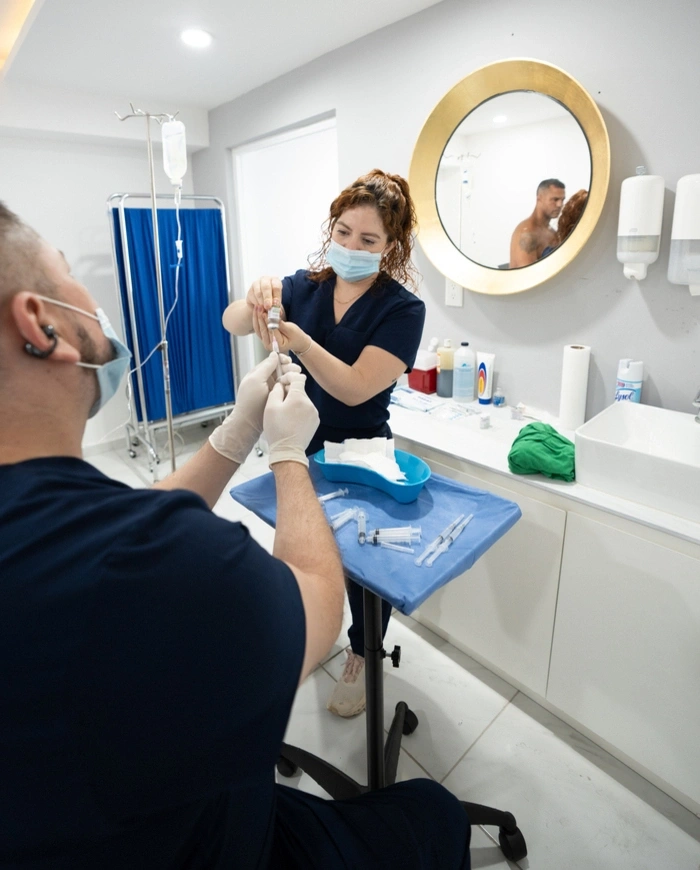
Stem Cells for Shoulder Arthritis: Relief for a Hard-to-Treat Joint
When it comes to the shoulder, arthritis often flies under the radar. We hear more about shoulder injuries like rotator cuff tears or dislocations than we do about arthritis. However, shoulder osteoarthritis (glenohumeral arthritis) does affect many people – especially those over 60, or younger individuals who had previous shoulder trauma. It leads to pain with shoulder movements, grinding or popping, and difficulty with overhead activities or even dressing. Shoulder arthritis is typically treated with pain meds, physical therapy, and steroid injections; if severe, a shoulder replacement surgery can be done (though it’s less common than knee/hip replacements).
Stem cell therapy for shoulder arthritis is still in the early stages, mainly because there have been fewer studies focused on it. Nonetheless, regenerative medicine experts are increasingly interested in the shoulder, and some pioneers are already using stem cell injections to help shoulder patients. Here’s what we know and anticipate:
- Much of the optimism for shoulders comes from the successes in knees and hips. As the Mayo Clinic has noted, no major research study has specifically targeted shoulder arthritis with stem cells yet, but “much of what is known… comes from research into knee degeneration.” It’s reasonable to expect that if stem cells reduce inflammation and aid cartilage in the knee, they could do the same in the shoulder[4]. Shoulders are different in that they’re not weight-bearing, but they are very complex joints with a lot of moving parts (literally!). They have cartilage and synovial fluid just like knees/hips, and can theoretically benefit similarly from the anti-inflammatory and regenerative effects of MSCs.
- Some orthopedic surgeons have already begun positioning stem cell therapy as an alternative to shoulder replacement for patients who either aren’t ready for surgery or want to try a regenerative route first. For example, Dr. Matthew Provencher, a noted sports surgeon, has written that “Stem cell therapy for the shoulder is continuing to gain support as an effective alternative to shoulder replacement… Multiple clinical studies have been conducted, as well as ongoing, to determine the efficacy of stem cell therapy in the management of progressive shoulder osteoarthritis.”[5]. In practice, this means doctors are injecting shoulders with stem cells (often using bone marrow concentrate or adipose-derived cells) in patients who have painful arthritis, to see if it can relieve pain and improve shoulder motion, thereby delaying or avoiding a joint replacement. Early reports from such cases are positive – patients often experience less pain and better use of the shoulder within a few months of treatment.
- One challenge with shoulders is that measuring outcomes can be a bit subjective (pain relief, range of motion improvements), and without large trials yet, the evidence is mostly in the form of case series or individual patient outcomes. However, those reports are encouraging. For example, some patients with shoulder arthritis who couldn’t lift their arm above shoulder height have, after stem cell therapy plus rehab, regained much of their range and comfort. They describe being able to sleep on the affected shoulder again (something that arthritis often makes impossible), and resume activities like swimming or golf that they thought they might have to give up.
- Safety in the shoulder appears to be on par with other joints – no significant complications have been reported from injecting stem cells into shoulders in the small studies done. Since the volume of the shoulder joint is smaller than a knee/hip, typically a smaller dose of cells is used, but those cells still exert their anti-inflammatory magic. Some patients experience a temporary flare-up (called a post-injection inflammatory reaction) for a day or two, but this is usually mild and resolves.
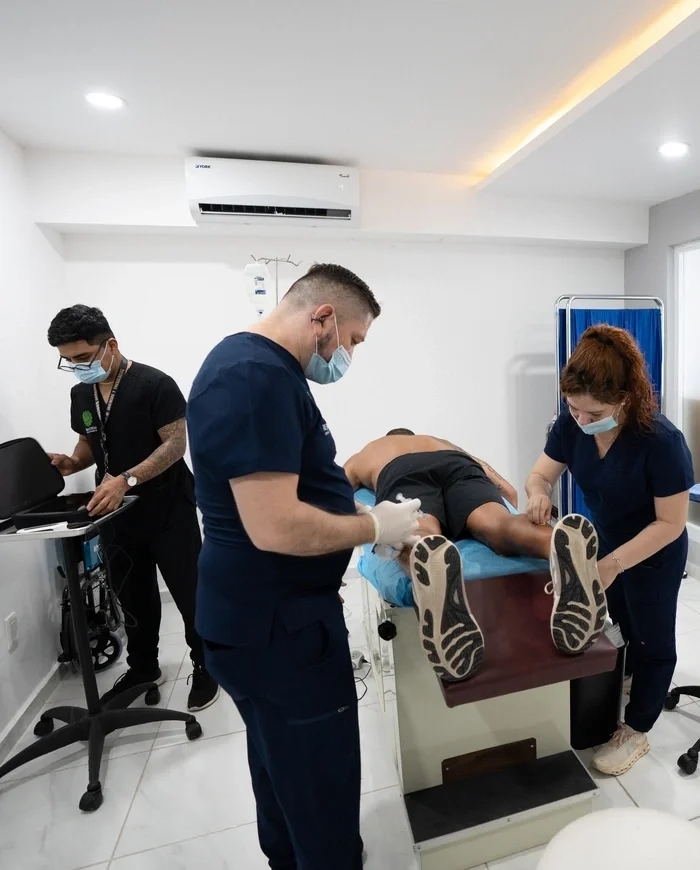
In summary, while shoulder arthritis stem cell therapy hasn’t been researched as rigorously (yet) as knees and hips, the trend is moving in that direction. The procedure is being offered at specialized centers, and many clinicians are excited about it. If you have an arthritic shoulder, you should know that this is an emerging option – one that could help reduce pain and improve function when conventional therapies aren’t enough. As always, it’s best to consult with a physician who’s knowledgeable about regenerative medicine to see if you’re a good candidate. Given that shoulders are so crucial for day-to-day tasks (imagine not being able to comb your hair or reach a high shelf), a treatment that can restore some of that lost ease-of-movement can be truly life-changing.
Is Stem Cell Therapy Safe and Effective? (What the Evidence Says)
We’ve touched on effectiveness and safety in each joint section, but let’s summarize these critical points clearly:
- Effectiveness: So far, stem cell therapy for arthritis has shown mostly positive outcomes in clinical studies. Patients generally report less pain, improved joint function, and higher quality of life after treatment. In knees and hips, we have scientific data from controlled trials backing this up (significant pain relief and functional gains over baseline or compared to controls)[1][3]. In shoulders, evidence is more anecdotal but aligns with these findings. It’s important to set realistic expectations: stem cells are not a guaranteed “cure” for arthritis. They often reduce symptoms and slow down worsening of the condition, rather than outright reversing severe disease. In fact, Mayo Clinic experts emphasize that most successful stem cell therapies so far have resulted in pain relief and improved function, but only a few early studies show actual new cartilage growth[4]. So the primary benefit you can expect is feeling and moving better – which is huge – but you shouldn’t expect your joint to look brand new on an X-ray after treatment (at least not with current technology). Research is ongoing to enhance the regenerative effects (for example, combining stem cells with scaffolds or growth factors to actually rebuild cartilage).
- Safety: The safety profile of stem cell therapy in orthopedics has been very favorable. Across studies, serious adverse events are rare. A systematic review noted that stem cell treatments caused few adverse effects in the studies examined, with only isolated cases of complications in hundreds of patients[20]. In randomized trials, side effect rates were about the same as placebo[15]. Typical side effects might include temporary injection site pain, swelling, or mild fever – generally resolving within a day or two. Because the cells can come from your own body or from well-screened donors, issues like infection or rejection are highly uncommon (stringent protocols are in place to ensure cell products are sterile and safe). One thing to be aware of is the regulatory aspect – in the United States, the FDA tightly controls stem cell treatments, and many on-the-market offerings are actually not fully approved. There have been cases where clinics offered “stem cell” injections that turned out not to contain actual live stem cells, or that weren’t prepared under best practices, leading to poor outcomes. Thus, choosing a reputable, licensed provider is key. Reputable clinics will either be conducting the therapy under clinical trial protocols or operating in jurisdictions where authorities oversee cell therapy labs for quality (more on an example of such a clinic soon).
- No Miracle, but Genuine Hope: The consensus in the medical community is that stem cell therapy for arthritis is very promising but still in a relatively early stage. It’s a field where excitement sometimes runs ahead of the evidence, and this has led to some hype. We want to strike a balance: Based on what we know, stem cells are not magic – if you have bone-on-bone end-stage arthritis, stem cells likely won’t rebuild a whole new joint or make all your pain vanish overnight. However, if you have mild to moderate arthritis, or even more advanced arthritis but are looking to improve symptoms, there is a good chance stem cell therapy can help you feel better and move easier, potentially delaying the need for more invasive interventions. Many patients say it gave them their life back – they could walk farther, exercise, and enjoy hobbies again thanks to reduced pain. Those kind of outcomes are absolutely worth celebrating, even if the underlying arthritis isn’t completely erased.
- Combining with Other Treatments: Often, stem cell therapy is used alongside other approaches. Doctors might recommend physical therapy after the injections to maximize functional gains (since as your pain decreases, you can do more strengthening exercises, which further helps the joint). Some use a combination of platelet-rich plasma (PRP) and stem cells together, as PRP provides growth factors that might boost the stem cells’ activity. Diet, supplements, and weight management can also enhance results (reducing load on a treated knee, for example, will help the healing). The best clinics take a holistic approach, treating you as a whole person and not just injecting cells and sending you off. This integrated care can improve the success rate of the therapy.
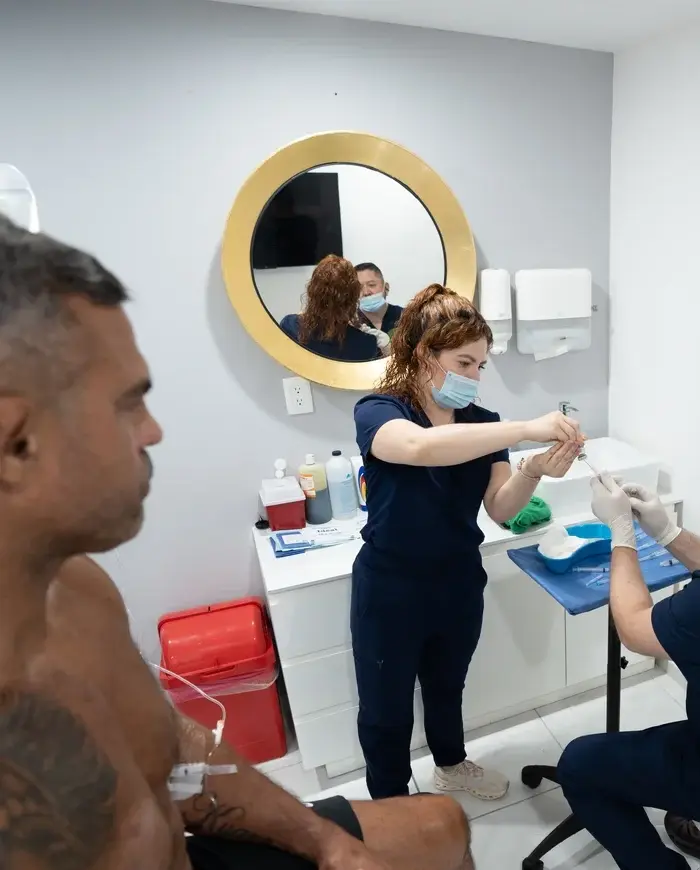
In summary, stem cell therapy for hip, knee, and shoulder arthritis appears to be a safe treatment that can effectively reduce pain and improve joint function for many individuals. It’s not science fiction or snake oil – it’s a real medical therapy grounded in our growing understanding of regenerative medicine. Yet, it’s also not a magically guaranteed cure, and expectations should be managed accordingly. The field is rapidly evolving, and every year we get more data from studies that help refine how to best use these cells (e.g., optimal cell source, dose, timing, patient selection, etc.). As those questions get answered, the results will only get better.
If you’re considering this therapy, you should feel encouraged by the positive data, but also informed about the experimental nature (especially in countries where it’s not fully approved) and the importance of going to experienced providers. Speaking of experienced providers – let’s talk about one cutting-edge clinic that is at the forefront of providing stem cell treatments for arthritis and other conditions.
RejuvStem in Cancún, Mexico: A Cutting-Edge Approach to Regenerative Healing
When exploring stem cell therapy, you may come across RejuvStem, a premier regenerative medicine clinic based in Cancún, Mexico. RejuvStem has been gaining recognition for its innovative approach to treating arthritis and other chronic conditions using advanced stem cell technology. Let’s break down what makes RejuvStem notable and how they cater to patients – including those with hip, knee, and shoulder arthritis – in a safe, effective, and even refreshing way.
1. World-Class Stem Cell Treatments: RejuvStem specializes in mesenchymal stem cell therapies, leveraging cells from sources like Wharton’s Jelly (umbilical cord tissue) for their high regenerative potential[26][27]. The clinic employs cutting-edge protocols – they are not just doing simple same-day stem cell concentrates; they offer advanced laboratory-expanded cell therapies. In fact, RejuvStem is the exclusive authorized provider in Mexico of Dezawa MuseCells® therapy[28][29]. Muse cells (discovered by Professor Mari Dezawa) are a special subset of adult stem cells that are pluripotent (able to become many cell types) but with no tumor-forming risk, and they naturally home to damaged tissues[29]. By offering Muse cells in addition to traditional MSCs, RejuvStem gives patients access to the latest generation of stem cell therapy** – essentially a powerful “upgrade” in the stem cell world aimed at even better healing outcomes. All of their cell products are handled in COFEPRIS-certified labs (COFEPRIS is the Mexican equivalent of the FDA), ensuring top quality and safety standards[30][31].

2. Experienced and Multidisciplinary Team: The clinic’s staff includes highly qualified physicians, scientists, and wellness experts. Many of their clinicians have international training and experience in stem cell medicine. The team is multilingual, catering to patients from all over the world (they frequently treat patients from the U.S., Canada, and beyond who travel to Cancún for care)[30][32]. What’s more, RejuvStem emphasizes a holistic approach – meaning they don’t just inject your joint and bid you farewell. They integrate the treatment with nutrition advice, physical therapy, and other supportive therapies (they even offer complementary services like plasmapheresis and specialized IV infusions as part of a comprehensive rejuvenation program)[33][34]. This ensures that patients have the best environment for healing and recovery.
3. A “Wellness Vacation” Setting: One thing that sets RejuvStem apart is its location – Cancún, Mexico, a world-famous destination known for beautiful beaches and resorts. The clinic smartly combines medical care with the concept of a healing getaway. As they put it, you can “rejuvenate in paradise.” International patients often appreciate that they can undergo treatment in a serene, luxurious environment and recover while enjoying the amenities of Cancún. It transforms what could be a stressful medical trip into a more relaxing wellness experience. (Of course, the clinic is a serious medical facility – in fact, their Cancún location is inside a fully accredited hospital for maximum safety[35][36] – but outside of treatment, patients can enjoy the scenic locale.) Cancún is also highly accessible, with many nonstop flights. RejuvStem notes that it’s a “paradise of endless beaches” with easy connections from major city, and their locations have on-site labs to promptly administer cells without delays[31].
4. Personalized Care and Transparency: At RejuvStem, treatment is highly individualized. When a patient with knee, hip, or shoulder arthritis comes in, the team conducts a thorough evaluation – they review your medical history, imaging, and any previous treatments. They’ll only recommend stem cell therapy if they truly believe you’re a good candidate who can benefit[37][38]. They are upfront that, as with any medical procedure, no reputable clinic can guarantee a specific outcome[37]. Instead, they focus on giving you the best chance at improvement based on published research and their past patient results[39]. This kind of honesty is reassuring. The goal they emphasize is improving health and quality of life – and they aim to do so in the least invasive way possible[40].
Patients often comment on how supportive and caring the RejuvStem staff is. From the first consultation, you have guidance through every step – travel planning, treatment day, and follow-up. After the procedure, they keep in touch to monitor progress and provide advice (like exercises to do, etc.). This white-glove approach can make a big difference, especially for someone traveling from abroad.
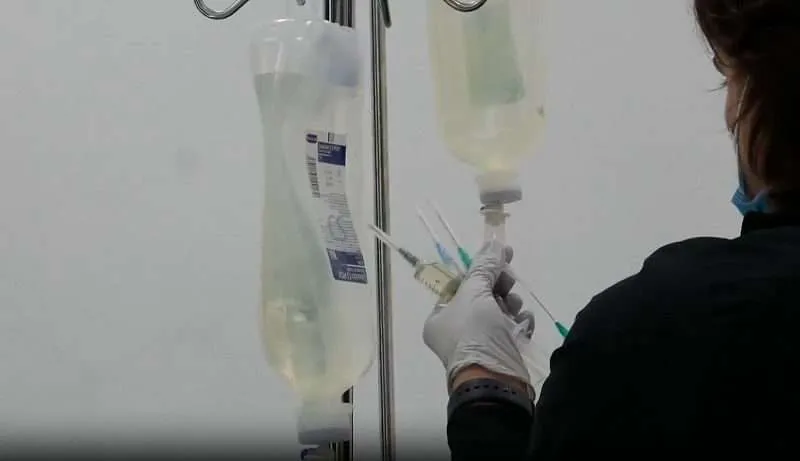
5. Results and Reputation: Perhaps the most compelling aspect of RejuvStem is the results they’ve achieved for their patients – including some high-profile ones. For instance, WWE wrestling legend Rey Mysterio sought treatment at RejuvStem after decades of punishing his joints in the ring. By his own account, he “reclaimed agility and strength when others said he was past his prime” following regenerative therapy[41]. Essentially, he experienced a career renaissance, feeling younger and more pain-free, which he credits to the stem cell treatments. Other athletes like WWE’s Big E and fitness icon Mike O’Hearn have also worked with RejuvStem, attesting to improvements in recovery and performance. Even aside from celebrities, RejuvStem reports that many patients who had chronic joint pain or who “haven’t found relief with conventional treatments have experienced significant improvements after undergoing stem cell therapy at RejuvStem.”[42] This includes folks with stubborn knee arthritis finally being able to hike again, or an older individual with shoulder arthritis avoiding a scheduled surgery because their pain dramatically decreased. The growing list of success stories is a testament to the clinic’s expertise. It’s clear that they are passionate about what they do – one of their co-founders was even a patient first, who after a life-changing result, became involved in bringing this therapy to more people[43][44].
In terms of safety, RejuvStem follows strict international standards and ethical guidelines[45]. Patients can feel at ease knowing that the procedures are performed in a proper medical setting (not some backroom), and the cells are obtained and handled following regulatory protocols. Mexico has a supportive regulatory environment for cell therapy, which allows RejuvStem to provide treatments that are still difficult to access in places like the U.S. – all while maintaining high quality (GMP-grade labs, etc.)[46][47].
To sum up, RejuvStem offers a compelling combination: advanced stem cell treatments (including unique offerings like Muse cells), a luxurious and supportive patient experience in a beautiful location, and a track record of helping people with arthritis regain their quality of life. For older adults wanting to stay active, athletes aiming to extend their careers, or anyone suffering from hip, knee, or shoulder pain, RejuvStem’s approach represents the forefront of what regenerative medicine can achieve today.
(For more information, you can visit their website at ryanc870.sg-host.com/ – it’s full of educational resources, patient testimonials, and details on their services. Always do your due diligence and consider consulting with their medical team to see if their program aligns with your health needs.)
Conclusion: A Regenerative Future for Achy Joints
Stem cell therapy is ushering in a new era of hope for people with hip, knee, and shoulder arthritis. Just a decade or two ago, the idea that you could inject cells into a joint and actually reduce pain and possibly heal tissue sounded like science fiction. Now, we have a growing body of scientific studies and real-world patient experiences showing that this is not only possible, but increasingly common. Arthritis sufferers who have tried stem cell treatments often describe it as “getting my life back” – they can walk farther, sleep better, play with grandkids or compete in sports again, in ways they couldn’t before.
To be clear, stem cells aren’t a magic wand. They don’t work overnight, and they might not eliminate the need for all surgeries (some people will still eventually need joint replacements). But as an educational takeaway, know that they represent a powerful tool in the fight against joint degeneration. They address arthritis in a fundamentally different way: by leveraging the body’s own healing mechanisms, rather than just covering up pain. And unlike long-term medication use, which can have significant side effects, stem cell therapy’s side effect profile is relatively minimal (especially when done by qualified professionals)[15][4].

If you or a loved one is struggling with hip, knee, or shoulder arthritis, it’s worth learning more about regenerative medicine options. Talk to your orthopedic doctor or a regenerative medicine specialist about whether you might be a candidate. They can explain the potential benefits and limitations in your specific case. Keep an eye on ongoing research too – every year, new findings come out (for example, scientists are experimenting with 3D-printed scaffolds plus stem cells to regrow cartilage[21], or genetically enhanced stem cells that produce extra anti-inflammatory factors). The field is moving fast, and what’s experimental today could be standard of care tomorrow.
Finally, remember that lifestyle still matters. Stem cells can help a joint heal, but maintaining that joint’s health will also depend on staying active, keeping muscles strong, managing weight, and avoiding undue strain. Think of stem cell therapy as getting a second chance at an active life – and when you get that chance, make the most of it by adopting joint-friendly habits.
In this exciting intersection of science and healing, clinics like RejuvStem stand out for bringing the latest advances directly to patients in need. By highlighting new findings and offering treatments in a safe, patient-centered environment, they are helping bridge the gap between research and real-life relief. Whether you’re an older adult wanting to stay independent, an athlete aiming for longevity, or someone in between, the takeaway is optimistic: your joints have more regenerative potential than we once thought. Stem cells are unlocking that potential, and many people are already reaping the rewards in the form of pain-free movement.
In the quest for healthier hips, knees, and shoulders, stem cells are a shining beacon of what’s possible – and the journey is just getting started. Here’s to moving freely and living life to the fullest, with a little help from these tiny but powerful cells!
[8] [9] [10] [11] [12] [10] [13] [14] [1] [15] [16] [17] [1] [1] Efficacy and safety of mesenchymal stem cells in knee osteoarthritis: a systematic review and meta-analysis of randomized controlled trials | Stem Cell Research & Therapy | Full Text
[11] [12] [26] [27] [28] [29] [30] [31] [32] [33] [34] [35] [36] [37] [38] [39] [40] [42] [43] [44] [45] [46] [47]
Stem Cell Therapy in Cancun Mexico | RejuvStem
[18] Stem Cell Therapy for Osteoarthritis Reviewed in MILES Study
[1[19]6[19]][19] New study findings call into question the superiority of stem cell …
[2] Mesenchymal Stem Cells injection in hip osteoarthritis: preliminary results – PubMed
[3] [3] The Efficacy of Bone Marrow Stem Cell Therapy in Hip Osteoarthritis: A Scoping Review – PubMed
[7] [7] Stem Cell Therapy Reduces Need for Nearly 10% of Hip Replacements | Yale School of Medicine
[4] [4] Mayo Clinic Q and A: Stem cell therapy for arthritis – Mayo Clinic News Network
[5] Alternative to Shoulder Replacement | Stem Cell Therapy for Shoulder | Denver, Vail, Aspen, Colorado Springs CO
[20] Osteoarthritis and stem cell therapy in humans: a systematic review
[41] RejuvStem Case Studies | Real Results & Recovery
https://rejuvstem.com/case-studies/
[21] Arthritis Foundation Funded Study finds Stem Cells Could Replace …