Stem cell therapy has revolutionized regenerative medicine in the United States, offering breakthrough treatments for knee pain, back injuries, autoimmune diseases, and anti-aging applications. With the global stem cell therapy market expected to reach $9.95 billion by 2030 at a 14.27% CAGR, Americans are searching for answers about FDA approval, treatment costs, safety, and whether stem cell therapy really works.
This comprehensive 2025 guide covers everything you need to know about stem cell therapy in the USA—from clinical success rates reaching 78% for certain conditions to costs, FDA regulations, and why thousands of Americans travel to Mexico for affordable COFEPRIS-certified treatments at facilities like RejuvStem.
What is Stem Cell Therapy? Understanding the Basics
Stem cell therapy is a form of regenerative medicine that uses your body’s master cells to repair damaged tissues, reduce inflammation, and promote healing. Unlike conventional treatments that mask symptoms, stem cell therapy addresses the root cause of tissue damage.
Key Benefits:
- Natural tissue regeneration without surgery
- Reduced chronic inflammation
- Faster recovery from injuries
- Potential to avoid joint replacement
- Success rates between 50-90% depending on condition and cell type
Types of Stem Cells Used in Therapy:
- Mesenchymal Stem Cells (MSCs) – from bone marrow or fat tissue
- Hematopoietic Stem Cells – blood-forming cells for cancer treatment
- Umbilical Cord Blood Stem Cells – donor cells for regenerative therapy
- Induced Pluripotent Stem Cells (iPSCs) – reprogrammed adult cells
Stem Cell Therapy for Knee Pain and Osteoarthritis: Does It Work?
Clinical Evidence for Knee Stem Cell Treatment
Knee osteoarthritis affects over 32.5 million Americans, making stem cell therapy for knees one of the most searched treatments in 2025. The promise: regenerate damaged cartilage, avoid surgery, and restore mobility.
2024 Clinical Trial Results: A landmark multicenter trial with 480 patients found that MSC knee injections were no more effective than corticosteroid shots at 12 months. However, the stem cell treatments appeared safe with no serious adverse reactions.
Breakthrough: Cartistem Therapy Cartistem, a cord blood-derived stem cell therapy, regenerates stronger and more elastic cartilage than traditional microdrilling procedures. The FDA granted approval to proceed directly to Phase 3 clinical trials, marking significant progress in cartilage regeneration.
Personalized Stem Cells Trial: A Phase 1/2a trial showed 79.3% of patients improved above the minimal important change with no serious adverse events.
Important Caveat: The FDA states regenerative medicine therapies have not been approved for orthopedic conditions including osteoarthritis, knee pain, or tendonitis. Most knee treatments remain experimental.
Who Benefits Most:
- Patients under 75 with moderate arthritis
- Active individuals seeking to delay surgery
- Those who’ve failed conservative treatments
- Candidates willing to pursue therapy in FDA trials or certified international clinics
Stem Cell Therapy for Back Pain and Degenerative Disc Disease
Chronic back pain from degenerative disc disease drives millions of Americans to seek alternatives to surgery. Stem cell therapy for back pain involves injecting MSCs into damaged spinal discs to promote healing.
Current Research Status:
- Mayo Clinic researchers reported that in animal models, MSCs could effectively treat degenerating discs
- Large Phase III trials for low back pain are underway with results pending
- Early studies show MSC injections appear relatively safe and may improve short-term pain
- Long-term efficacy data is still limited
What Studies Show: One 2017 trial found marginal disc quality improvements on imaging, but no significant difference in pain relief compared to sham injections. A 2020 retrospective study showed nearly 50% of patients experienced at least 50% pain reduction at six weeks post-injection.
The Verdict: Stem cell therapy for spine conditions remains experimental. Patients should only pursue treatment within credible clinical trials or with physicians transparent about investigational status.
Stem Cell Therapy for Autoimmune Diseases: MS, Lupus, and More
Hematopoietic Stem Cell Transplant (HSCT)
For severe autoimmune conditions, hematopoietic stem cell transplants (HSCT) essentially “reset” the immune system through chemotherapy followed by stem cell infusion.
Proven Results:
- Over 3,000 autoimmune patients worldwide had undergone HSCT as of 2020
- The American Society for Blood and Marrow Transplantation considers HSCT standard of care for certain relapsing MS patients
- MS patients receiving autologous HSCT experienced 19% improvement in disability over five years, compared to just 4% on medication alone
Important Limitations: HSCT carries significant risks (infection, transplant complications) and is only considered for life-threatening cases. As one expert stated, “You don’t do a bone marrow transplant unless your life depends on it”.
Mesenchymal Stem Cells for Autoimmune Conditions
MSCs have natural immunosuppressive and anti-inflammatory properties and are being tested for Crohn’s disease, rheumatoid arthritis, and lupus. While generally safe, effectiveness has been modest with variable patient outcomes.
Stem Cell Therapy for Erectile Dysfunction (ED)
Interest in stem cell therapy for ED has surged as men seek alternatives to medications like Viagra. The treatment involves injecting stem cells from bone marrow or fat into penile tissue to regenerate blood vessels and nerves.
Clinical Evidence:
- Early-phase trials showed improvements in erectile function scores and blood flow measures for several months
- A 2025 meta-analysis concluded stem cell therapy significantly improved erectile function indices at 6 months
- Follow-up beyond 6-12 months is very limited
Critical Reality: No stem cell ED treatment has FDA approval at this time—all are experimental. Safety looks acceptable with no major adverse events, but long-term benefits remain unproven.
Recommendation: Men should pursue ED stem cell therapy only as part of clinical trials or with research-aligned urologists.
Anti-Aging Stem Cell Therapy: Separating Science from Hype
Stem Cell Facials and Skin Rejuvenation
“Stem cell facials” typically use growth factors derived from stem cells or fat grafting procedures. Fat grafting can improve age-related volume loss and skin texture, though the science on whether stem cells truly regenerate skin is still inconclusive.
What You’re Actually Getting:
- Autologous fat transfer (your own fat) with stem cells
- Topical serums with plant or human stem cell extracts
- Growth factor treatments combined with microneedling
Reality Check: Many of these procedures are done off-label, ahead of definitive evidence or regulatory approval. Claims of a “fountain of youth” are premature.
Longevity and Whole-Body Anti-Aging
Early clinical trials are testing MSC infusions in elderly individuals to improve age-related frailty and immune function. Animal studies show promise—one study found stem cell treatments extended mouse lifespan by 20-30%—but human application remains unproven.
What About Stem Cell Supplements? Despite bold marketing, there’s no good evidence that any supplement can activate stem cells to significantly slow aging. Most are essentially unproven nutraceuticals with general antioxidant compounds.
Bottom Line: Whole-body anti-aging stem cell therapy is experimental, unregulated in the USA, and not FDA-approved for wellness or longevity applications.
Breakthrough Technologies: Muse Cells and Mitochondrial Repair
Muse Cells: The Next Generation
Muse cells (Multilineage Differentiating Stress-Enduring cells) have intrinsic pluripotent-like abilities yet appear non-tumorigenic. They can generate many cell types and survive under severe stress conditions that kill other cells.
Why Researchers Are Excited:
- Muse cells combine advantages of embryonic-like stem cells (versatility) with safety of adult stem cells
- Early studies explored Muse cells for stroke, heart injury, and other conditions with promising results in animal models
- Could lead to next-generation regenerative treatments
Current Status: Largely in trial or development stages. Keep watching—Muse cells could revolutionize stem cell therapy in coming years.
Mitochondrial Transfer and Cellular “Repair”
Mesenchymal stem cells can transfer healthy mitochondria to injured cells through tunneling nanotubes or vesicles. This mitochondrial transfer can rescue cells with damaged energy production, improving survival and function.
Potential Applications:
- Heart attack recovery
- Kidney disease
- Neurodegenerative disorders
- Metabolic conditions
While still early-stage, this represents a fundamentally new approach—stem cells acting as cellular “mechanics” rather than just tissue replacements.
FDA Approval Status: What’s Legal for Stem Cell Therapy in 2025?
Only Limited FDA-Approved Uses
Currently, the only stem cell-based treatments routinely approved by the FDA are hematopoietic stem cell transplants for leukemia, lymphoma, and blood disorders.
The FDA explicitly stated that aside from blood-forming stem cells, “stem cell products are not approved for other uses”.
What This Means: All orthopedic, anti-aging, neurological, and cosmetic stem cell procedures advertised by clinics are outside FDA-approved indications.
The Regulatory Gray Zone
Some clinics operate under FDA’s 361 HCT/P regulation, claiming their procedures use “minimally manipulated” autologous cells for “homologous use.” However, the FDA has been clear that many offerings do not meet criteria and are illegal.
Recent FDA Enforcement:
- FDA has issued warning letters and court injunctions to stop clinics selling unapproved stem cell injections
- A 2019 case involved U.S. Stem Cell Clinic in Florida being shut down after patients were blinded by unproven eye treatment
Recent FDA Approvals
Remestemcel-L (brand Ryoncil), an MSC therapy, was approved to treat children with severe graft-versus-host disease. Recent breakthroughs include stem cell treatments for type 1 diabetes and epilepsy showing remarkable preliminary results.
How to Verify Legitimacy:
- Search ClinicalTrials.gov for FDA-sanctioned studies
- Ask for the FDA-issued Investigational New Drug (IND) Application number
- Verify claims through FDA at 800-835-4709 or [email protected]
Critical Reality: No stem cell clinic has FDA approval for the menu of conditions they advertise. If a provider claims “FDA-approved” stem cells for arthritis, autism, or general wellness, they’re misleading patients.
Stem Cell Therapy Cost in USA: What You’ll Actually Pay in 2025
Average Costs by Treatment Type
Why Costs Vary
Factors Affecting Price:
- Stem cell source – Bone marrow, adipose tissue, or donor cells
- Cell processing complexity – GMP lab facilities and quality testing
- Treatment location – Major cities cost more than smaller markets
- Number of cells administered – Higher doses cost more
- Additional procedures – Imaging, consultations, follow-ups
Insurance Coverage Reality
Insurance generally does not cover unapproved stem cell treatments due to limited evidence of efficacy. Most stem cell therapies are pay-at-the-time-of-service, with the exception of standard bone marrow transplants for approved conditions.
Emerging Coverage: Some employers or workers’ comp plans have started considering coverage for certain orthopedic procedures, but this remains uncommon.
Stem Cell Tourism: USA vs. Mexico Treatment Options
Why Americans Choose Mexico for Stem Cell Therapy
Cost Savings:
- Potential savings: 50-70%
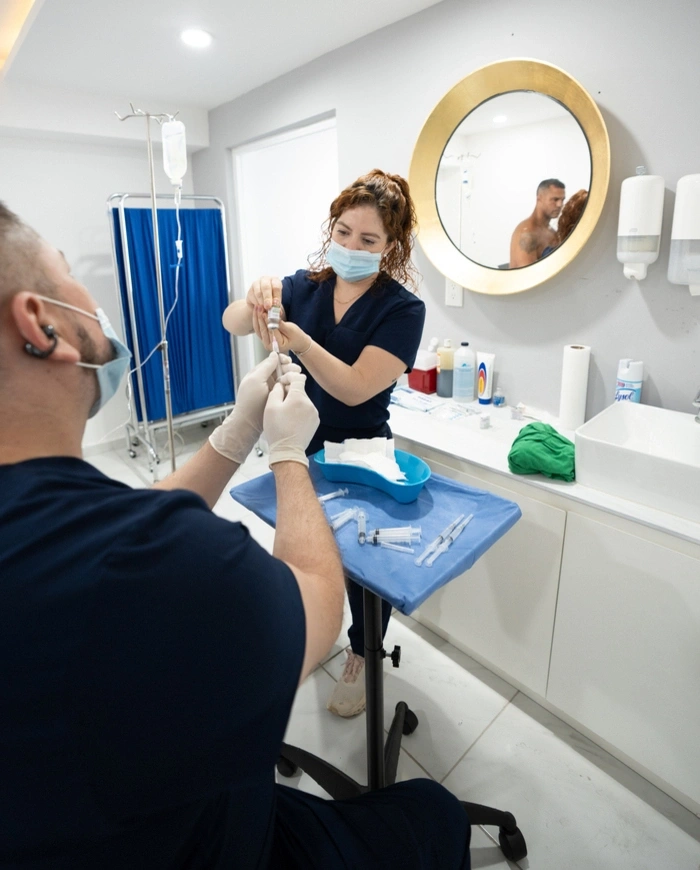
Regulatory Differences: Mexico’s regulatory framework allows access to advanced allogeneic (donor) stem cells that remain limited in the United States. COFEPRIS (Mexico’s FDA equivalent) oversees stem cell clinics with different approval pathways.
Popular Mexico Destinations:
- Tijuana – Proximity to San Diego, California
- Cancun – Medical tourism infrastructure
- Mexico City – Research institutions and academic centers
- Puerto Vallarta – Recovery amenities
Critical Safety Considerations
Risks of Medical Tourism:
- Lack of solid scientific evidence for treatments offered
- Heavy reliance on anecdotes instead of trial data
- Unclear cell sourcing and protocols
- Limited recourse if complications arise after returning home
What to Verify:
- COFEPRIS certification for the clinic
- GMP-certified laboratory facilities
- Board-certified physicians with stem cell experience
- Published research or trial registrations
- International accreditation (JCI, AAAHC)
Recommendation: Read the International Society for Stem Cell Research (ISSCR) guidelines for patients, which cover questions to ask and how to spot red flags.
RejuvStem: Certified Excellence in Mexico
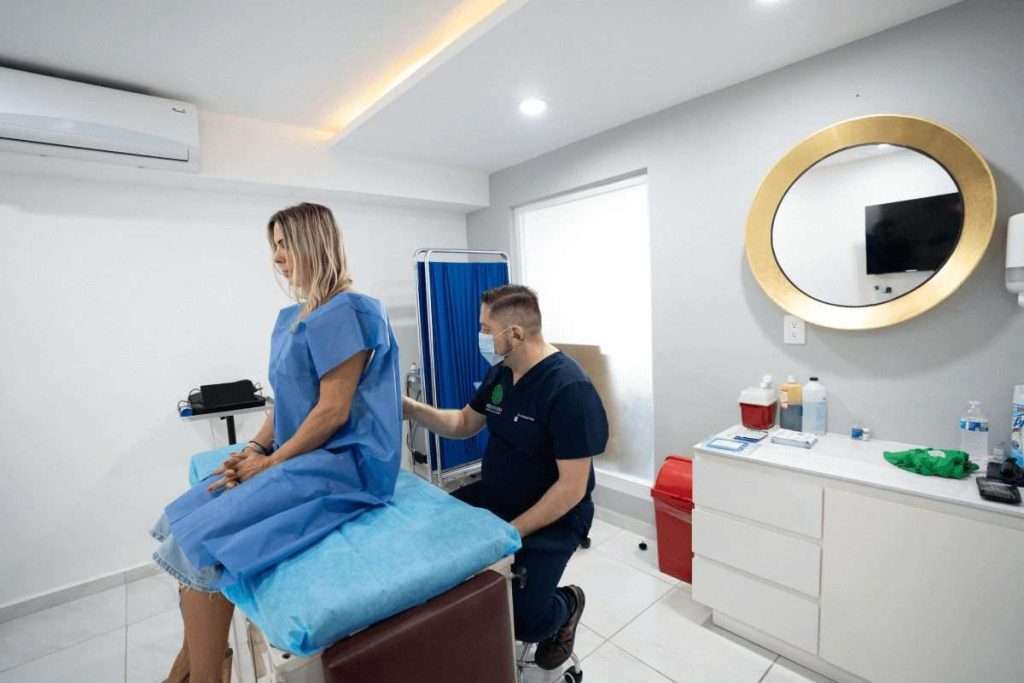
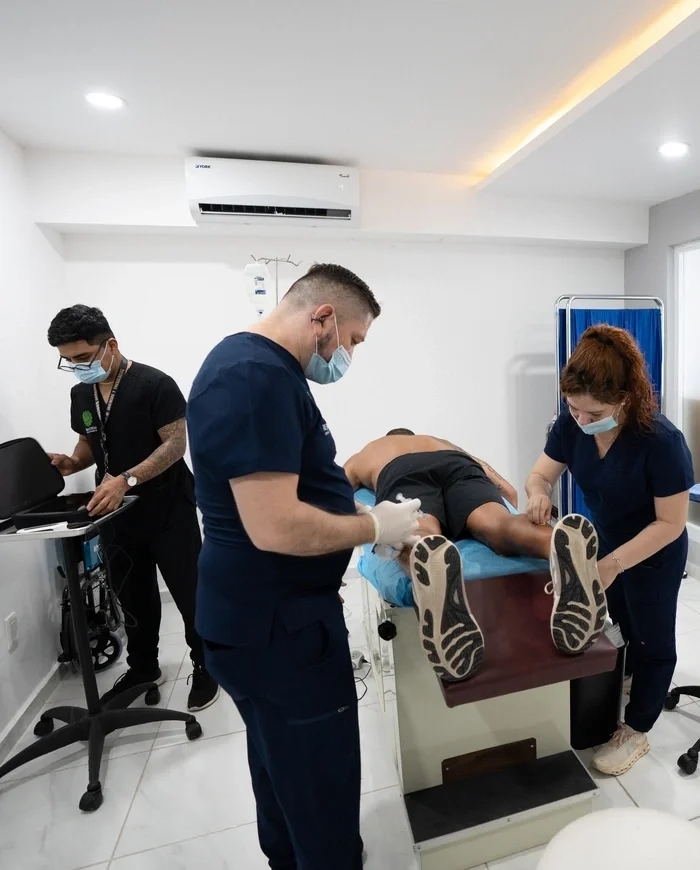
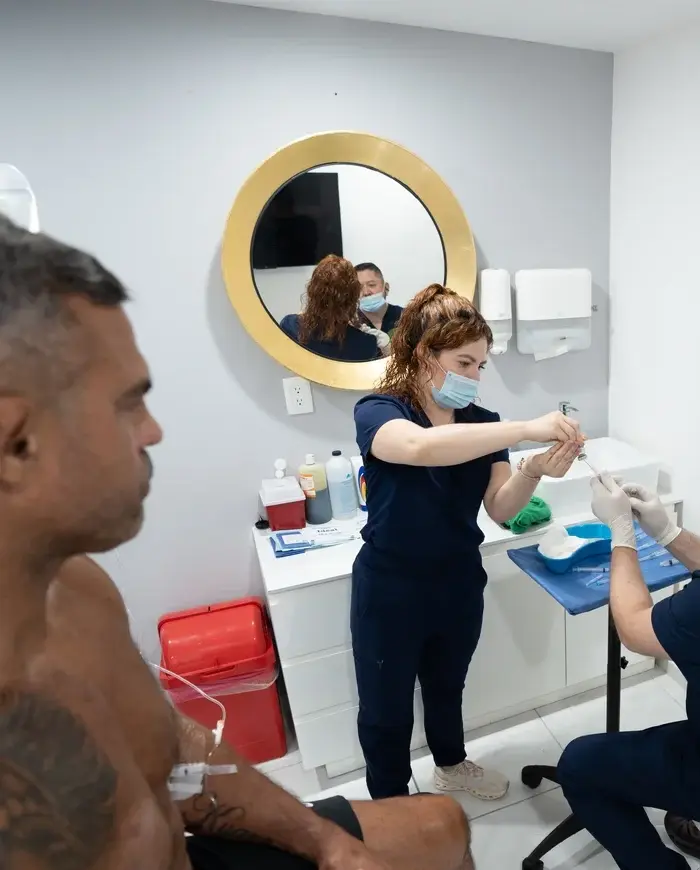
RejuvStem offers COFEPRIS-certified stem cell therapy with GMP-certified laboratories, board-certified physicians, and transparent pricing. Located in Mexico, RejuvStem provides:
- Cost-effective alternative to USA pricing (50-70% savings)
- Advanced allogeneic stem cell treatments
- Full medical evaluation and comprehensive follow-up care
- US patient coordination and English-speaking staff
Learn more: ryanc870.sg-host.com/
Safety and Side Effects: What You Need to Know
Overall Safety Profile
Many autologous stem cell procedures, when done correctly, have shown reasonable safety profiles in studies with serious side effects relatively rare. Large trials of MSC injections reported no significant adverse reactions.
Potential Risks and Complications
Common Side Effects:
- Pain and swelling at injection site
- Temporary inflammation
- Bruising or bleeding
Serious Complications:
- Infection – In 2018, over a dozen people contracted serious infections from contaminated umbilical cord stem cell products
- Immune Reactions – Even autologous cells can trigger inflammation
- Blood Clots – Case reports of IV infusions causing small clots or lung issues
- Tumor Formation – Theoretical concern; very rare but documented in some cases
Worst-Case Scenarios:
- Several patients were blinded by unproven stem cell eye treatment in 2019
- Stroke and paralysis reported in some spinal treatments
- Destructive tissue growth from improperly administered cells
How to Minimize Risks
Choose Certified Facilities:
- FDA-inspected laboratories (USA) or COFEPRIS-certified (Mexico)
- GMP-compliant cell processing
- Board-certified physicians with stem cell experience
- Published safety data and trial registrations
Ask These Questions:
- “Where do the cells come from and how are they tested?”
- “What are the possible complications in your patients?”
- “Do you have a Certificate of Analysis for cell viability and purity?”
- “What is your complication rate?”
- “Who will monitor me after treatment?”
The FDA warns that patients pursuing unapproved stem cell cures might forgo or postpone standard treatments that are known to help.
2025 Breakthroughs and Future of Stem Cell Therapy
Recent FDA Approvals
Game-Changing Developments:
- Vertex Pharmaceuticals’ study on type 1 diabetes showed patients stopping insulin after lab-made beta cell transfusions
- Neurona Therapeutics’ epilepsy trial showed remarkable preliminary results with only 15 patients treated
- As of December 2024, 115 global clinical trials involving 83 distinct PSC-derived products are underway, with over 1,200 patients dosed and no significant safety concerns
Growing Market and Investment
The stem cell therapy market grew from $3.91 billion in 2023 to $4.45 billion in 2024 and is expected to reach $9.95 billion by 2030 at a CAGR of 14.27%.
Driving Forces:
- Gene editing breakthroughs (CRISPR)
- 3D bioprinting for tissue engineering
- Enhanced cell tracking methods
- CAR-T cell therapy expansion to solid tumors
What to Expect by 2030
Emerging Applications:
- Stem cell treatments for heart disease and diabetes moving toward FDA approval
- Tissue engineering advances enabling complex organ regeneration
- Autologous cell therapies becoming more common to reduce rejection risk
- NK cell and TCR-T cell therapies as donor-derived immune treatments
Frequently Asked Questions About Stem Cell Therapy in USA
Only blood stem cell transplants for certain cancers and blood diseases are FDA-approved. Almost all other uses (joint pain, anti-aging, autoimmune conditions) are not FDA-approved and remain experimental.
Costs depend on the condition and the treatment plan. Insurance generally won’t cover these procedures due to their investigational status.
Results vary by condition. Clinical success rates range from 50-90% depending on the specific condition and cell type. Some patients report significant improvements while others see minimal benefits. More research is needed for most applications.
When done correctly with proper protocols, autologous stem cell treatments have shown reasonable safety profiles. However, risks exist including infection, immune reactions, and rare tumor formation. Safety depends heavily on clinic quality and regulatory compliance.
Americans seek Mexico treatments for 50-70% cost savings and access to allogeneic (donor) stem cells not widely available in the USA. Mexico’s COFEPRIS regulatory framework allows different treatment options at certified clinics like RejuvStem.
Current evidence doesn’t support “cure” claims. A 2024 study found MSC knee injections were no more effective than steroid shots at 12 months. However, some patients experience meaningful pain relief and functional improvement. It’s not a guaranteed cure.
FDA-approved: Blood cancers, lymphoma, certain genetic blood disorders
Experimental (clinical trials): Knee osteoarthritis, back pain, autoimmune diseases (MS, lupus), erectile dysfunction, type 1 diabetes, epilepsy, heart disease, neurodegenerative conditions
Search ClinicalTrials.gov for FDA-sanctioned studies, verify physician credentials through medical boards, check for FDA warning letters against clinics, and ask for the IND Application number. For international options, verify COFEPRIS certification and GMP laboratory accreditation.
Choosing the Right Stem Cell Treatment: Your Action Plan
For USA-Based Treatment:
✓ Verify FDA Status:
- Search ClinicalTrials.gov for legitimate trials
- Ask for IND Application number
- Check FDA warning letters database
✓ Evaluate Provider Credentials:
- Board-certified physicians with stem cell experience
- GMP-compliant laboratory facilities
- Published research and trial data
- Transparent complication rates
✓ Understand Costs:
- Get itemized pricing in writing
- Clarify what’s included vs. extra fees
- Ask about payment plans
- Budget for follow-up visits
For Mexico-Based Treatment (RejuvStem):
✓ Verify COFEPRIS Certification:
- Request certification documentation
- Confirm GMP laboratory accreditation
- Check international accreditations (JCI, AAAHC)
✓ Review Medical Team:
- Board-certified physicians
- Stem cell treatment experience
- English-speaking staff for US patients
- Previous patient references
✓ Clarify Complete Costs:
- All-inclusive package pricing
- Travel and accommodation arrangements
- Follow-up care protocols
- Emergency contact procedures
Questions to Ask Any Provider:
- What is the source and type of stem cells?
- Is this treatment FDA-approved or part of a clinical trial?
- What does clinical evidence show for my specific condition?
- What are potential risks and complication rates?
- What is the expected outcome and timeline?
- What happens if treatment doesn’t work?
- How will success be measured and monitored?
- Who provides follow-up care?
Final Recommendations: Making an Informed Decision
The Reality of Stem Cell Therapy in 2025
Stem cell therapy represents genuine promise for regenerative medicine, but it’s crucial to separate evidence-based treatments from unproven claims. While success rates reach 78% for certain conditions and breakthrough treatments for diabetes and epilepsy show remarkable results, most applications remain experimental.

When to Consider Stem Cell Therapy:
Good Candidates:
- Failed conventional treatments
- Seeking to avoid or delay surgery
- Willing to participate in clinical trials
- Financially prepared for out-of-pocket costs
- Realistic about experimental nature
Poor Candidates:
- Expecting guaranteed cures
- Unwilling to do thorough research
- Unable to afford treatment without insurance
- Believing “miracle” marketing claims
Our Expert Recommendation:
For USA Patients:
- Prioritize FDA-approved clinical trials
- Seek board-certified specialists at academic medical centers
- Get second opinions before committing
- Don’t abandon proven conventional treatments
For Medical Tourism:
- Choose COFEPRIS-certified clinics like RejuvStem
- Verify GMP laboratory standards
- Ensure comprehensive follow-up care plans
- Coordinate with your US physician
The Bottom Line
Stem cell therapy is evolving rapidly with legitimate breakthroughs occurring regularly. However, the FDA explicitly states that aside from blood-forming stem cells, stem cell products are not approved for other uses.
Be an informed patient: research thoroughly, verify credentials, understand costs, and maintain realistic expectations. Whether pursuing treatment in the USA or at certified international facilities like RejuvStem in Mexico, prioritize safety, transparency, and evidence-based medicine.
Ready to explore your options? Visit ryanc870.sg-host.com/ for COFEPRIS-certified stem cell therapy with transparent pricing, board-certified physicians, and comprehensive patient support.
Research and Medical Disclaimer
This article synthesizes information from peer-reviewed research, FDA guidelines, clinical trials, and expert medical resources including Duke Health, Mayo Clinic, MIT Technology Review, and the International Society for Stem Cell Research.
Medical Disclaimer: This article is for educational purposes only and does not constitute medical advice. Stem cell therapy results vary by individual and condition. Not all stem cell therapies are FDA-approved. Always consult qualified healthcare professionals before making treatment decisions.
Last Updated: November 2025