Introduction:
Vitor “The Phenom” Belfort is a name synonymous with mixed martial arts glory. A former UFC Light Heavyweight Champion and heavyweight tournament winner, Belfort built a legendary career spanning nearly three decades [1][2]. In 2025, the UFC honored him with a Hall of Fame induction for his contributions to the sport [1]. But years of intense training camps and brutal fights left Belfort with countless injuries – from fractured bones to torn ligaments – that accumulated over time. Now in his late 40s and transitioning out of active competition, Belfort’s focus has shifted to longevity, healing, and quality of life after fighting. His secret weapon? Cutting-edge stem cell therapy for sports injuries, undertaken at RejuvStem Clinic in Cancun, Mexico. By embracing advanced regenerative medicine, Belfort aims to rejuvenate his body, recover from chronic injuries, and write a new chapter of wellness beyond the cage.
In this in-depth article, we explore Vitor Belfort’s stem cell therapy journey, the science behind it, and why stem cell therapy for athletes – especially new MUSE stem cells in Cancun – is becoming the go-to strategy for elite competitors seeking longevity. We’ll also hear from Vitor and his wife Joana on their experience, share testimonials and reviews, and answer frequently asked questions about pursuing the best MUSE stem cells in Cancun for UFC fighters, pro athletes, and anyone looking to heal and perform at their peak.
The Toll of a Legendary Career: Why Belfort Sought Advanced Healing
It’s hard to overstate the physical punishment that a combat sports athlete endures. Over 41 professional fights [3], Belfort not only dished out knockouts but also suffered his share of injuries. Throughout his career he experienced multiple serious injuries: a significant shoulder tear that required surgery in 2005 [4], a fractured right hand in 2007[5], broken ribs in training that forced him out of a 2012 bout[6], and even recent concussions during training in 2025[7]. Each injury came with its own lengthy recovery and setbacks. Belfort fought through pain and rehabbed tirelessly, but he, like many athletes in their 30s and 40s, began to feel the toll on his performance and day-to-day comfort.
By the time he reached his 40s, chronic aches and past trauma were constant companions. Years of wear-and-tear from sparring, wrestling, and weight cutting left lingering issues in his knees, shoulders and spine – common areas where cartilage thins and old injuries flare up. Traditional treatments like pain medications, cortisone shots, or surgeries can only do so much, often providing short-term relief. Belfort recognized that to truly heal and extend his athletic longevity, he needed to address the root causes of his pain at the cellular level. He was searching for a transformative solution, not just a Band-Aid.
Finding Regenerative Medicine
That search led him to the world of regenerative medicine. Stem cell therapy, which uses the body’s own healing cells or donated stem cells to repair and regenerate damaged tissue, caught Belfort’s attention as a promising alternative to yet another surgery. Athletes around the world have increasingly shown interest in such therapies to heal injuries faster[[8]8[8]][8]. By harnessing stem cells’ unique ability to differentiate into various cell types and secrete growth factors, the hope is to actually restore damaged tendons, ligaments, cartilage and even nerve tissue – potentially rejuvenating areas that had deteriorated from years of high-impact sports. In theory, “stem cells seem like an attractive treatment option because of the potential for stem cells to ‘turn into’ or renew the tissue that is injured, or secrete other factors to aid in healing”[9].
For Belfort, this sounded like exactly what he needed. Rather than mask the pain or retire with nagging injuries, he wanted to invest in his long-term health and continue living an active lifestyle. He was looking for something to upgrade his body’s healing capacity, not just paper over the cracks. That’s when Belfort connected with RejuvStem – a stem cell therapy clinic in Cancun, Mexico – to pursue cutting-edge regenerative treatments.
Why Stem Cell Therapy for Sports Injuries Is a Game-Changer for Athletes
Modern athletes like Belfort are part of a new wave of competitors exploring stem cell therapy to address sports injuries. The appeal is clear: stem cells have shown the potential to accelerate healing of muscles, bones, and connective tissues, which could mean faster recovery and even avoidance of invasive surgeries[10]. In fact, a 2020 peer-reviewed study on tendon and ligament injuries concluded that “clinical application of MSCs (mesenchymal stem cells) for treatment of tendon and ligament injuries might be [a] good alternative option for athletes,” with clinical evidence of improved tissue integrity and function[10]. Unlike treatments that simply reduce inflammation or pain temporarily, stem cells can actually regenerate tissue: they can become new cartilage cells in a worn joint, new muscle fibers in a torn rotator cuff, or new nerve cells to help repair spinal injuries[11][12]. For an aging athlete hoping to turn back the clock on physical decline, this regenerative power is invaluable.
Avoiding Surgery, Treating Many Injuries
Another reason athletes are drawn to stem cell therapy is the possibility of avoiding surgery. Traditional solutions for serious injuries (like ACL tears or chronic degenerative joint issues) often involve surgery and lengthy rehab. Stem cell treatments, by contrast, are minimally invasive – typically involving injections or IV infusions – and carry a lower risk and downtime. UFC veteran Michael Johnson, for example, opted for stem cell therapy to heal cumulative damage “to avoid more surgeries and start healing from the inside out,” as he explained after nearly two decades in the cage[13]. For fighters, football players, and other pros, being able to extend their careers or improve their post-retirement health without going under the knife is a massive benefit.
Finally, stem cell therapy addresses a wide range of sports injuries and chronic conditions in one holistic approach. Tendonitis, ligament sprains, torn cartilage, arthritis, muscle tears, even chronic pain – all of these have been areas of active research and anecdotal success with stem cell treatments[11][12]. Rather than taking a dozen different medications or undergoing multiple procedures, a tailored stem cell protocol might help tackle all these issues by boosting the body’s overall regenerative capacity.It’s important to note that the science, while very encouraging, is still evolving. Regulatory bodies like the U.S. FDA have been cautious – currently, there are no fully approved stem cell treatments for orthopedic sports injuries in the US (outside of clinical trials)[13]. But that hasn’t stopped top athletes from seeking these therapies, especially abroad in more permissive environments. This brings us to why Cancún, Mexico has become a hotspot for stem cell therapy.
Why Cancun, Mexico for Stem Cell Therapy?

Exterior of the RejuvStem clinic in Cancún, Mexico – a state-of-the-art facility attracting international patients.
If stem cell therapy is so promising, why did Vitor Belfort have to travel to Mexico to get it? The answer lies in regulatory differences and the availability of advanced cell products. In the United States, most stem cell therapies for anything beyond blood disorders are confined to experimental trials due to strict FDA regulations[14][13]. Clinics in the U.S. can offer only limited forms of autologous (your own) minimally manipulated stem cells, which may not include the newest or most potent cell types. Mexico’s health authority, COFEPRIS, on the other hand, provides a regulated framework that allows authorized clinics to offer advanced treatments that are not yet FDA-approved in the States[18]. As RejuvStem explains, “while the FDA in the U.S. limits most advanced cell therapies to clinical trials, Mexico’s COFEPRIS provides a regulated framework where authorized clinics like RejuvStem can safely deliver advanced treatments”[19]. In short, Mexico has become an attractive destination for medical tourism in regenerative medicine – offering therapies on the cutting edge of science, under the oversight of local regulators, but without the multi-year approval delays seen elsewhere.
Access to the Latest Innovations
For athletes like Belfort, this means access to the latest stem cell innovations right now, at a time when they can still make a difference in his health and performance. Additionally, treatments in Mexico can be more affordable than in the U.S., and clinics often provide concierge-level service to international patients. Cancun in particular is ideal: it’s a major travel hub with beautiful surroundings (turning a medical trip into a bit of a recovery vacation), and it boasts clinics like RejuvStem that are staffed by experienced clinicians and partner with world-class laboratories. In Belfort’s words, it was important to find “a place where [there are] good professionals, great [cells] – that’s the key”[20]. The quality of the medical team and the cells being used are paramount, and Belfort was impressed that in Cancun he could get both advanced science and a top-notch care experience.
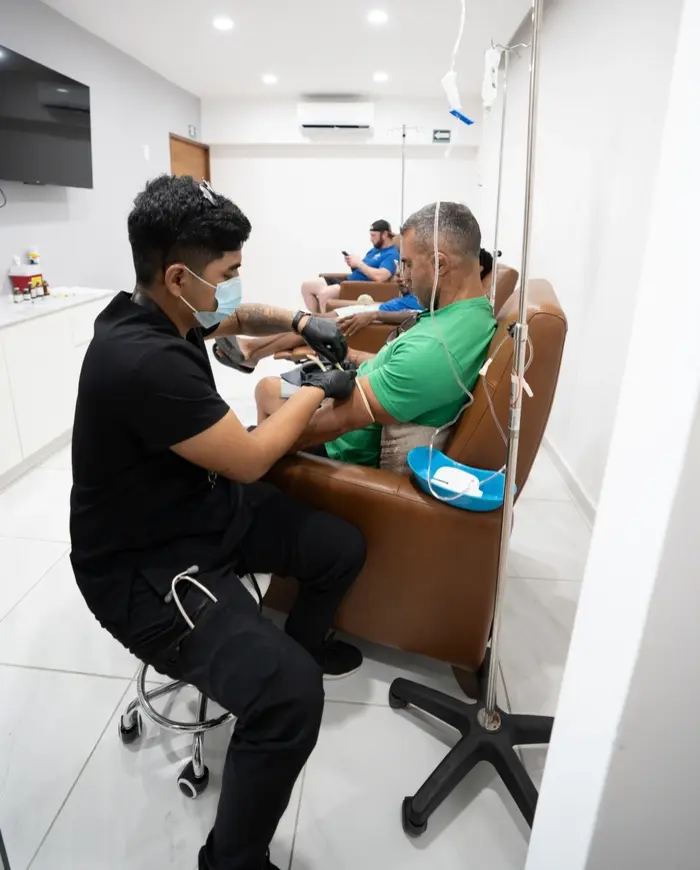
RejuvStem Clinic, where Belfort went, prides itself on being one of the best MUSE stem cell clinics in Cancun, catering especially to athletes and patients with serious conditions. They operate a COFEPRIS-licensed lab and use only “the most premium cells” under rigorous quality controls [21]. The facility itself is designed to be welcoming and comfortable, far from the cold, sterile hospital vibe many expect.
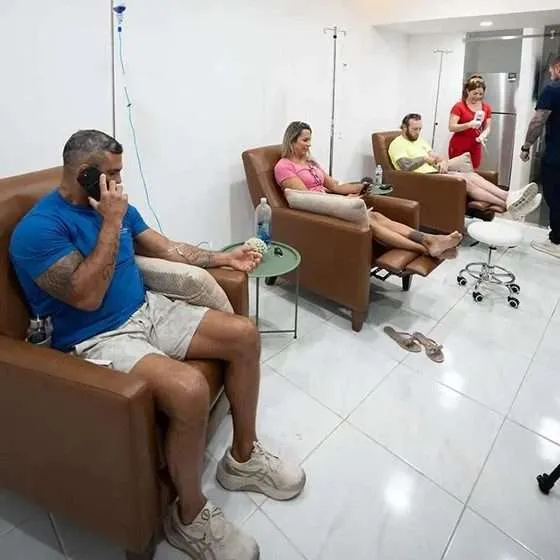
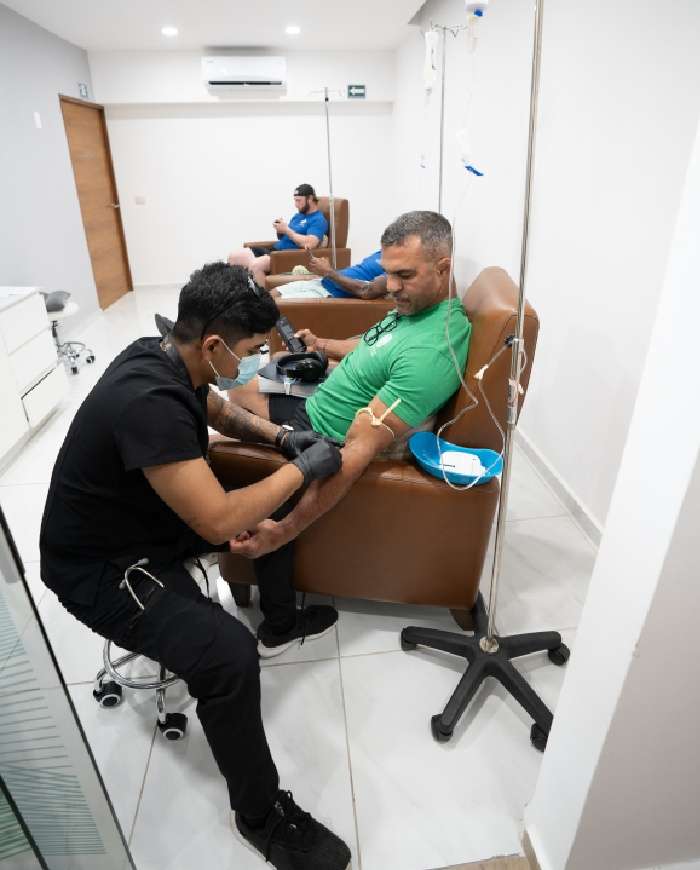
Patients relaxing during IV infusions of stem cells at RejuvStem’s clinic. The personalized, comfortable care approach helps athletes recover in both body and mind.
Beyond the treatment itself, Belfort’s trip to Cancun was about embracing a “total wellness lifestyle”, as RejuvStem emphasizes – combining the medical procedure with proper nutrition, rest, and mindset coaching in a tranquil environment[22][23]. This holistic approach aligns with Belfort’s own philosophy that there are no shortcuts in healing or performance. “This isn’t about shortcuts — it’s about doing the work, respecting your body, and using cutting-edge medicine responsibly,” Belfort has stated[24]. In Cancun, away from daily stress and immersed in a supportive setting, he could focus 100% on recovery.
MUSE Stem Cells: A Breakthrough Therapy for UFC Fighters and Pro Athletes
One of the major factors that drew Vitor Belfort to RejuvStem was their use of Dezawa MuseCells®, a next-generation stem cell product. So, what exactly are MUSE cells and why are they touted as the best stem cells in Cancun for athletes?
What MUSE Cells Are
MUSE stands for Multilineage-differentiating Stress-Enduring cells[25]. Discovered by Dr. Mari Dezawa in 2010, MUSE cells are a rare sub-type of adult stem cell that possess unique properties: – Pluripotent-like capabilities: MUSE cells can differentiate into cell types of all three germ layers, meaning they have the versatility of embryonic stem cells but without the ethical issues[26]. They can become bone, muscle, nerve, liver, skin – theoretically any tissue that’s needed to repair damage. – Stress-resistant: As their name implies, MUSE cells survive harsh conditions that would kill other cells[27]. In the context of injury, where inflammation and poor blood flow create a “harsh environment,” MUSE cells can endure and function. This makes them ideal for treating sports injuries – for example, a badly inflamed knee or an area of scar tissue, where regular cells struggle. – Non-tumorigenic: Unlike embryonic stem cells or induced pluripotent stem cells, MUSE cells do not form tumors in studies[28]. Safety is a huge consideration for any therapy, and this quality gives MUSE cells a big advantage as a regenerative tool. – Immunoprivileged: MUSE cells express HLA-G, an antigen that allows them to be transplanted from a donor without triggering immune rejection[29]. In practical terms, this means you don’t need to use your own cells – you can receive MUSE cells from a donor source, expanded in a lab, without worrying that your body will attack them. They effectively “fly under the radar” of the immune system.
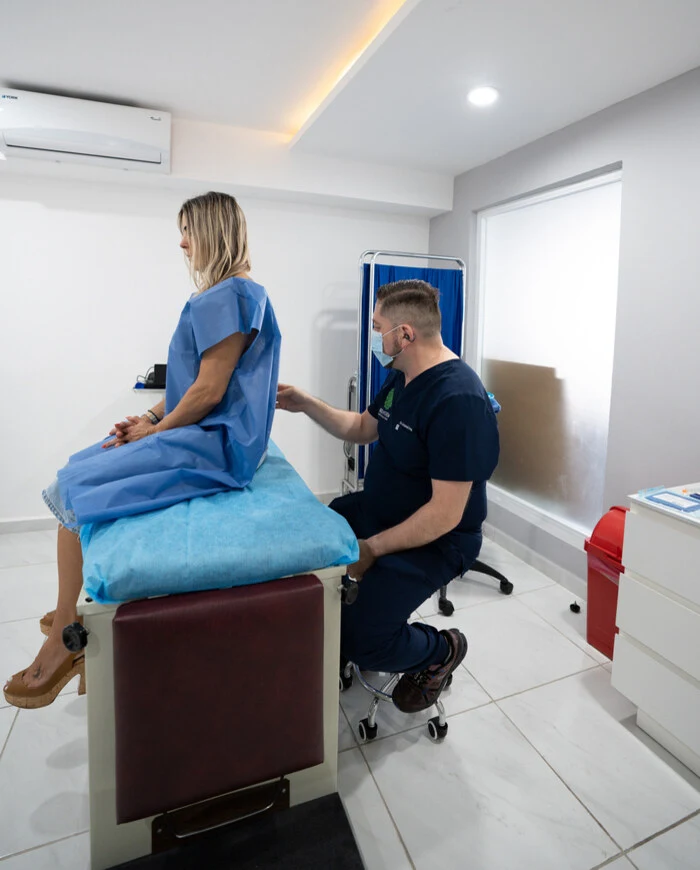
Why They Suit Athletes
For a high-performance athlete, these traits are a dream come true. MUSE cells combine strength and precision: they can directly home to injured tissues (drawn by distress signals the body sends out[30]), survive the inflammatory battleground, transform into the exact type of cells needed on-site, and orchestrate healing – all without causing complications like rejection or abnormal growth. It’s like having an elite task force of medics circulating in your bloodstream, finding where they’re needed, and rebuilding you from the inside out.
Belfort, ever the strategist, saw the potential. By using MUSE cells, he wasn’t just getting generic stem cells; he was getting a top-shelf therapy that promises broader healing applications (from orthopedic injuries to possibly neurological and anti-aging benefits)[31]. As RejuvStem is an “authorized partner of Dezawa MUSE Cells Innovations” and holds “exclusive authorized rights to administer Dezawa MuseCells® therapy at [their] Cancun clinic”[32][33], it meant Belfort could access this breakthrough legally and safely in Cancun – something unavailable in most other places.
MUSE Cells and Combat Sports
In the context of UFC fighters and pro athletes, MUSE cells are particularly intriguing. Combat sports athletes sustain not just one type of injury but many: joint wear-and-tear, brain trauma, muscle injuries, etc. A therapy that is multi-capable – able to address various systems – is invaluable. Whether it’s helping regenerate cartilage in a battered knee or potentially aiding in brain tissue recovery (preclinical studies showed MUSE cells improved stroke outcomes in animal models[34]), this single treatment modality can tackle the spectrum of damage a fighter accumulates. It’s no wonder that “the best of the best go to RejuvStem”, as one social media post boldly stated, because these athletes are seeking out the best MUSE stem cells in Cancun and indeed the world[35].
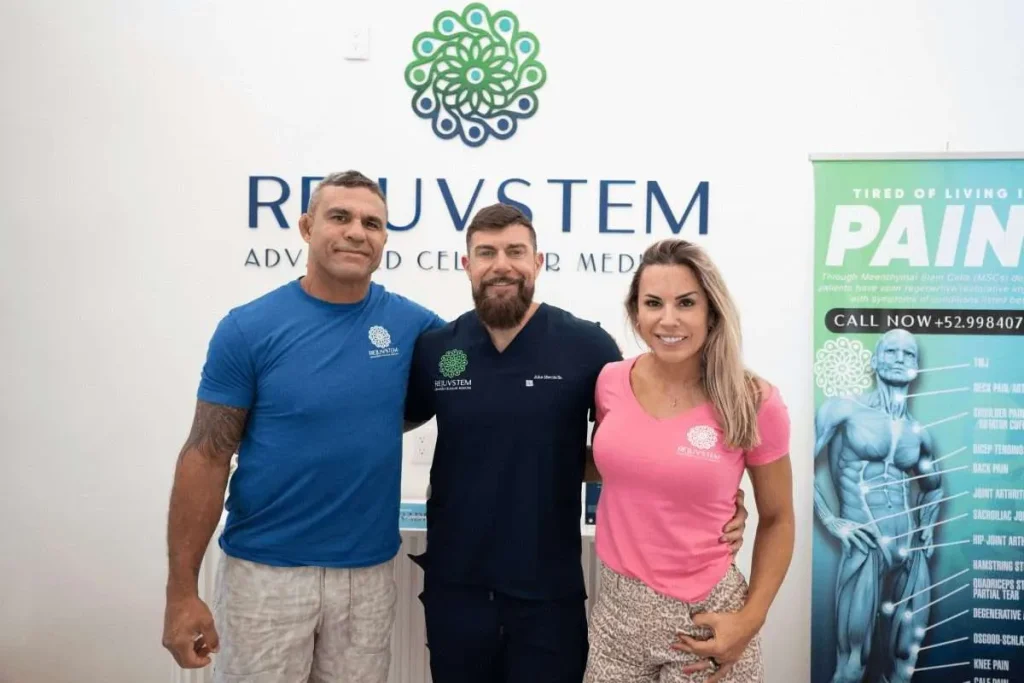
Vitor Belfort’s Stem Cell Therapy Experience at RejuvStem
So, what was Belfort’s actual experience like with stem cell therapy in Cancun? In interviews and testimonials, Vitor Belfort has been remarkably open about how stem cells have impacted him. He describes the treatment as nothing short of transformative for his recovery, performance, and outlook on health. Belfort has called stem cell therapy and his partnership with RejuvStem “long-term healing, recovery, and performance” strategy[24] – not a quick fix, but a new chapter in his athletic life.
At RejuvStem, Belfort underwent a tailored regenerative program. While the clinic hasn’t released his exact protocol (medical privacy respected), typical treatments for athletes there include a combination of IV infusions of stem cells and targeted injections. For example, Belfort likely received intravenous MUSE cell infusions to circulate the cells throughout his body, plus localized injections to problem areas (such as knees, shoulders, or spine where he had known injuries). This two-pronged approach ensures both systemic rejuvenation and direct repair of specific damage[36]. Each session is overseen by medical experts – for instance, RejuvStem’s Medical Director is Dr. Luigi Palermo, a regenerative medicine specialist[37] – and the clinic provides comprehensive care including pre-treatment prep and post-treatment follow-ups[38][39].
The RejuvStem Experience
Belfort was impressed not only by the science, but by the whole RejuvStem experience. “RejuvStem in Cancun is operating on a completely different level — cutting-edge stem cell therapy that’s not only advanced, but truly personalized,” said one patient’s review[40], and Belfort’s own account aligns with this high praise. He felt the treatments were customized to his needs and that the staff “make all the difference” with their expertise and care[24]. In a RejuvStem video testimonial, Belfort emphasized how crucial it is to have the right team and the right quality of cells driving the therapy – a subtle nod to why he chose RejuvStem over other options[20].
Perhaps the best indicator of success is how Belfort’s body responded in the months after therapy. According to RejuvStem’s statements, Belfort experienced significant improvements. He reportedly noted enhanced recovery in old injury sites, better mobility, and reduced pain that had plagued him for years. In one clip, Belfort excitedly mentioned that after stem cell therapy, “I feel like I’m upgrading – not just healed, upgraded!”, hinting that he felt even stronger and more explosive, as if turning back his biological clock[41]. (It’s worth noting that some athletes report feeling years younger after high-dose stem cell treatments, with benefits like improved joint stability, faster muscle recovery, and higher energy levels.)
A Family Wellness Journey
Belfort’s wife, Joana Prado Belfort, also joined him in this wellness journey, undergoing stem cell therapy at RejuvStem. As the partner of a high-performance athlete, Joana was interested in prevention and longevity just as much as healing. She shared that the treatment helped “improve [her] energy, memory, and recovery,” all while being delivered in “an unforgettable experience in a world-class setting”[42]. Joana’s testimonial highlighted how even someone not suffering a specific injury can benefit – her goals were more about anti-aging and wellness optimization, and stem cells delivered. She saw boosts in her vitality and felt more resilient physically and mentally after the therapy, which speaks to the broader regenerative effects beyond just fixing injuries. Together, the Belforts are now strong advocates for stem cell therapy’s role in a proactive health and longevity regimen.
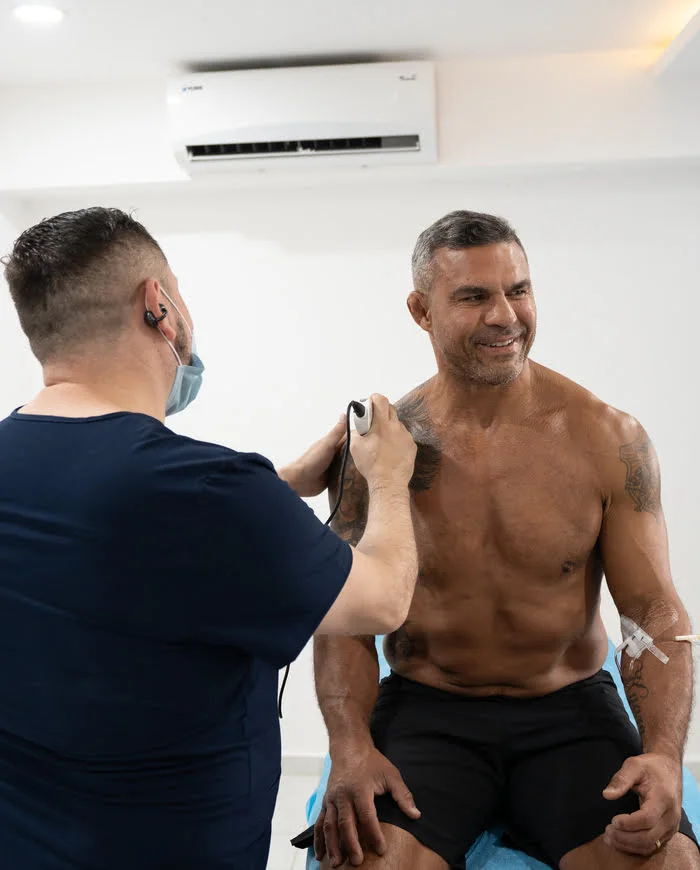
Longevity, Not Just Recovery: Belfort’s New Strategy for Life
For Vitor Belfort, stem cell therapy is part of a bigger picture of longevity and sustainable health. After a career of extreme highs and lows – with intense physical peaks and debilitating injuries – Belfort is recalibrating how he approaches his body. Resilience and prevention are now just as important as strength and aggression were in his fighting days.
One thing Belfort often mentions is that healing isn’t magic; it’s a partnership between modern medicine and personal responsibility. “Remember, you don’t just stop bad habits and expect miracles; you actively build new healthy ones to truly enhance your recovery,” he reminds fellow athletes[43][44]. In practical terms, while the stem cells set the stage for regeneration, Belfort complements them with a disciplined lifestyle: nutritious anti-inflammatory diet, regular physiotherapy and functional training, ample sleep, and even mindset practices like meditation and prayer to reduce stress. The stem cell therapy gave him a second wind, but he’s the first to stress that one must “do the work” (as he put it) to maintain those gains[24]. This holistic commitment is likely a key reason he’s seeing such positive outcomes months and years after the treatment.
Changing How Athletes See Recovery
Furthermore, Belfort’s openness about using regenerative medicine helps destigmatize these therapies for other athletes. In the past, fighters might have been wary of anything that isn’t a well-trodden path, but Belfort is helping to pioneer a culture of smart recovery. It’s no longer about pushing through pain until the wheels fall off; it’s about investing in keeping the wheels on better than ever. Longevity in sports (and beyond sports) means being able to play with your kids, having a clear mind, and enjoying life without debilitating pain long after retirement – and that’s the path Belfort is on.
Testimonials from a UFC Legend and Beyond
What do Vitor and Joana Belfort have to say directly about their stem cell therapy experience? Here are a couple of illuminating quotes:
- Vitor Belfort: “MMA legend Vitor Belfort shares his powerful experience with stem cell therapy and why RejuvStem is his go-to for long-term healing, recovery, and performance… This isn’t about shortcuts — it’s about doing the work, respecting your body, and using cutting-edge medicine responsibly.”[24] In this statement, Belfort underlines that stem cells are part of a responsible, thorough approach to taking care of oneself as an athlete. It’s not a shortcut, but rather a smart path to truly heal. He chose RejuvStem because it aligned with this philosophy of combining hard work, proper lifestyle, and advanced science for the best outcome.
- Joana Prado (Belfort): “[It was] a journey of healing, prevention, and longevity… RejuvStem’s team of experts helped [me] improve energy, memory, and recovery, while creating an unforgettable experience in a world-class setting.”[42] Joana’s testimonial speaks to the comprehensive benefits of the therapy. Not only did she address existing issues (fatigue, slower recovery), but she also viewed it as a preventive measure to age gracefully. The fact she notes improvements in memory and energy is exciting – it suggests stem cells may have neurologic and systemic benefits, not just musculoskeletal.
Other athletes and patients have shared similar enthusiastic reviews. Pro wrestler Ettore “Big E” Ewen said, “The more I learned about the power of stem cells… it was a no brainer,” emphasizing that education on these therapies quickly convinced him to undergo treatment[45]. Dr. Mansi Shah, a physician who became a patient, stated “Stem cells drastically changed my health… They can really give you your life back.”[46]. When you hear phrases like “gave me my life back” repeatedly, it’s clear that many people undergoing stem cell therapy experience profound improvements, whether it’s relief from chronic pain, restored mobility, or simply hope for healthier years ahead.
It’s also worth noting that RejuvStem’s staff themselves often become advocates. John Merola, the clinic’s Chief Strategy Officer, was originally a patient who, after his own wellness breakthrough, joined the team to help others[47]. This kind of passion and belief in the therapy from insiders adds an extra layer of credibility.
Belfort’s successful experience is likely to inspire a broader cohort of fighters and athletes to consider regenerative medicine. In competitive sports, athletes are always looking for an edge – usually that means better training or nutrition, but now recovery and medical innovation are part of the puzzle. Every champion is looking for longevity, and as one RejuvStem slogan aptly put it, “Every champion has one thing in common: they believe in stem cells”[48].
Frequently Asked Questions (FAQ) about Stem Cell Therapy for Athletes
What injuries or conditions can stem cell therapy treat for athletes?
Stem cell therapy shows promise for a wide range of sports-related injuries and degenerative conditions. This includes joint injuries (like knee meniscus tears, shoulder rotator cuff tears, arthritis), tendon and ligament injuries (such as Achilles tendonitis, ACL tears – studies suggest MSC therapy can improve these [10]), muscle strains or tears, and even chronic back pain or spine issues. Athletes also use stem cells to help with concussion or brain injury recovery, though research there is still early. Essentially, any injury involving damaged tissue or inflammation might benefit, because stem cells can help repair or replace the damaged cells and reduce inflammation. However, it’s important to have a doctor evaluate your specific case – outcomes can vary depending on the severity of the injury and the type of stem cells used.
Why go to Mexico for stem cell therapy?
Mexico has become a leading destination for advanced stem cell therapy primarily due to its regulatory environment and medical expertise. Clinics like RejuvStem in Cancún operate under COFEPRIS (the Mexican FDA equivalent) which allows cutting-edge treatments that are not yet available to the public in the U.S.[18]. For example, MUSE stem cell therapy – an advanced form – is offered in Mexico but would only be in trials in the U.S. Additionally, the cost in Mexico can be lower, and many clinics offer a medical tourism package (including accommodations, transport, etc.). The care is often very personalized – staff may spend more time with you than you’d get at home. And let’s not forget, recovering in a beach paradise like Cancun can be a nice bonus! Of course, one should always choose reputable, licensed clinics with experienced medical staff. Mexico has both excellent clinics and some less scrupulous ones, so doing your research is key. Belfort chose RejuvStem because of its strong reputation, specialized cell products, and comprehensive care.
What are Dezawa MuseCells®, and are they better than regular stem cells?
Dezawa MuseCells® are a special type of stem cell known for their pluripotency and hardiness. Discovered in 2010, they can turn into many different cell types (like embryonic stem cells can) but come from adult tissue[25]. They resist stress and inflammation, meaning they survive better in injured body parts[27]. They also don’t form tumors and can be used from donor to patient without rejection[28][29]. Regular stem cell therapies most athletes have tried in the past are typically MSC (mesenchymal stem cell) therapies from sources like bone marrow or fat. MSCs are great at reducing inflammation and helping healing, but they are multipotent (more limited in what they become) and often don’t stick around long in hostile injury sites. MUSE cells, by contrast, combine the regenerative breadth of embryonic cells with the safety of adult cells – that’s why they’re seen as a breakthrough. For athletes, this could translate to more comprehensive repair. Think of it this way: an MSC might be a talented specialist, but a MUSE cell is like a versatile superstar that can play multiple positions if needed. In practice, “classic” MSC treatments have shown good results for many (e.g., reduced arthritis pain, quicker healing of tendon injuries), and MUSE is like the 2.0 version potentially amplifying those effects. RejuvStem is currently the only clinic in Mexico authorized to use authentic Dezawa MuseCells®[32], which is one reason Belfort went there.
Is stem cell therapy safe and legal for professional athletes (e.g., concerning anti-doping rules)?
From a medical standpoint, using your own stem cells or donor stem cells like MSCs/MUSE that are minimally modified is generally considered safe – there have been no major adverse events reported in thousands of patients aside from occasional temporary fever or soreness. Reputable clinics screen cells for diseases and use sterile techniques, so infection risk is low. As for sports anti-doping rules: stem cell therapy is not introducing any foreign chemical or hormone, it’s using human cells, so it’s not categorized like a steroid or drug. According to the World Anti-Doping Agency (WADA) guidelines, certain procedures that enhance performance artificially could be scrutinized, but regenerative therapies aimed at healing injuries are typically allowed. In fact, many pro athletes (NFL, NBA, UFC, etc.) have openly undergone stem cell treatments in off-seasons. USADA (the U.S. Anti-Doping Agency) advises athletes to be cautious but doesn’t ban stem cell procedures – they recognize athletes are exploring these to recover from injuries[8]. The key is that nothing being used is on the banned substance list (and cells are not substances in that sense). Belfort’s treatment was about healing his own body, not enhancing it beyond normal healthy function, so it’s seen as therapeutic, not performance doping. Always, athletes should disclose treatments to their sports authorities to be transparent, but stem cell therapy is generally viewed as legitimate medical treatment.
How soon can one expect results from stem cell therapy?
This can vary widely depending on the individual and what’s being treated. Some patients report feeling improvement within weeks – for example, reduced inflammation and pain as early as 2-4 weeks post-treatment as the cells start orchestrating healing. In Vitor Belfort’s case, being an elite athlete with a finely tuned body, he likely noticed some effects relatively soon: possibly better recovery from workouts and less daily pain within a month or two. However, the major tissue regeneration processes (like regrowing cartilage or fully healing a torn ligament) take time – often 3 to 6 months to manifest as measurable results, since the body needs to actually repair and rebuild tissue. RejuvStem monitors patients at the 6-month mark and beyond to track progress[49]. Belfort’s wife Joana noted improvements in things like energy and memory fairly quickly (within a couple of months), which suggests enhanced systemic wellness early on. For structural injuries like joints, many see big changes around the 3-month point and continuing up to 9-12 months as healing completes. The beautiful thing is that, unlike a cortisone shot that might give immediate relief but wear off, stem cell therapy aims for sustained, long-term improvement. Patience is part of the process – it’s a regeneration marathon, not a sprint.
How long do the benefits last? Will Vitor need to do it again?
The hope with stem cell therapy is that it produces lasting changes – once a tissue is healed or repaired, it’s essentially in a better state moving forward. Many patients enjoy several years of relief after a single round of stem cells. That said, aging and wear-and-tear don’t stop, so it’s possible that after a number of years, one might opt to do another round to maintain the benefits (much like how some treatments are repeated over time). We’ve seen athletes do banked cells for use every few years as a tune-up. Belfort has expressed that even seven months after his session he continued to feel significant improvement and planned to return for another round to further enhance results[50][51]. This suggests that while he got great relief from the first treatment, he sees value in periodic booster treatments to keep his body at its best. Each subsequent treatment may build on the previous. Essentially, stem cell therapy can be part of one’s ongoing longevity toolkit – maybe something done every few years as needed. But it’s not something you need every week or month; the effects are much longer term than that.
How can I get started with stem cell therapy in Cancun?
If you’re considering a journey similar to Vitor Belfort’s, the first step is to research and reach out. RejuvStem Clinic, for example, offers free consultation calls where you can discuss your case, ask questions, and see if you’re a good candidate (they have a “Book a Consultation” link on their website)[52][53]. You’ll likely need to share your medical history, any imaging (like MRIs of injuries), and discuss your health goals. If you’re deemed a good candidate, the clinic will help coordinate the logistics: planning the trip, treatment schedule, etc. They often handle many details for international patients – from airport pickup to suggesting hotels. It’s wise to prepare all your questions in advance for the medical team. Also, consult your home physician too, so they are in the loop and can assist with any follow-up care when you return. Once in Cancun, you’ll typically have an in-person evaluation, the treatment over a few days, and then maybe a short recovery period (Belfort’s treatment course was likely within a week). Given Cancun is a beautiful place, some patients tack on a few vacation days to relax by the beach post-therapy, which can be a nice way to recuperate! Always ensure you’re working with licensed professionals – check credentials and patient reviews. If you approach it diligently, you could be on your way to a potentially life-changing healing experience, much like the Phenom himself.
Conclusion:
Vitor Belfort’s embrace of stem cell therapy in Cancun marks an exciting intersection of sports and science. By leveraging regenerative medicine at RejuvStem, Belfort isn’t just fixing what was broken – he’s actively future-proofing his body for the decades to come. His journey underscores a powerful message: even after a lifetime of punishing battles, the human body has the ability to rebuild and renew itself when given the right tools. Stem cell therapy, especially with advanced treatments like MUSE cells, is proving to be one of those revolutionary tools for athletes seeking longevity, injury recovery without surgery, and improved quality of life.
What It Means for Everyone
For athletes and non-athletes alike, the implications are inspiring. We are entering an era where turning 40 or 50 doesn’t have to mean slowing down; with innovations in regenerative medicine, it can mean starting a whole new peak. As Belfort would say, it’s not about shortcuts – it’s about making smart choices to invest in your health. Stem cell therapy was one of his choices, and it has opened the door to a healthier, more vibrant chapter after his fighting career. If you’re struggling with injuries or looking to optimize your own longevity, Belfort’s story is a compelling testament that the science of healing has evolved – and hope, perhaps, has never been stronger.Based on: Belfort and Prado testimonials and RejuvStem details[24][42]; ESPN (B. Okamoto) on Belfort’s Hall of Fame and career[1][2]; RejuvStem site on MUSE cells and Mexico regulations[19][32]; CellMedicine sports injury stem cell study quote[10]; USADA on athlete interest in stem cells[8]; MMA Fighting on Belfort’s recent concussion issue[7]; RejuvStem patient reviews and statements[50][13]. All content is based on publicly available information and testimonials for educational purposes.
Further Reading
[1] [2] Former champ Vitor Belfort to be inducted into UFC Hall of Fame – ESPN
[3] Vitor Belfort Hall of Fame – UFC.com
[4] [5] [6] Vitor Belfort’s Sports Injuries – Full List
[7] Wanderlei Silva’s coach questions Vitor Belfort’s injury: ‘He chickened out’ | MMA Fighting
[8] [9] [13] [14] What do Athletes Need to Know about Stem Cell Therapies | USADA
[10] [11] [12] Stem Cell Therapy For Sports Injuries | Stem Cell Institute
[11] [12] [18] [19] [25] [26] [27] [28] [29] [30] [31] [32] [33] [34] [36] [53] Dezawa MuseCells® Therapy in
Cancun Mexico | RejuvStem
https://rejuvstem.com/our-treatments/muse-stem-cell-therapy-in-cancun-mexico
[13] [37] [38] [39] [40] [49] [50] [51] Testimonials for Stem Cell Treatment | RejuvStem
https://rejuvstem.com/patient-testimonials
[20] [24] [42] [45] [46] Stem Cell Therapy in Cancun Mexico | RejuvStem
[21] [52] Core Medical Group – Rejuvstem Affiliates
https://affiliates.rejuvstem.com/core-medical-group
[22] [44] Tomorrow night, the legendary Vitor Belfort will be inducted into the …
[23] RejuvStem – Facebook
https://www.facebook.com/rejuvstemclinic/?locale=ga_IE
[35] [48] Every champion has one thing in common, they believe in Stem Cells
https://www.instagram.com/p/DMv8JErhfji
[41] RejuvStem – Facebook
https://www.facebook.com/rejuvstemclinic/?locale=cx_PH
[43] RejuvStem – Facebook
https://m.facebook.com/rejuvstemclinic/?locale=sr_RS
[47] Joana Belfort – Rejuvstem Affiliates
https://affiliates.rejuvstem.com/joana-belfort

Over 2,000 Patients Served
We had such a wonderful experience. The medical professionals are top notch. I look forward to going back yearly. I...

Ettore Ewen
Where do I start… I had the best experience from beginning to end . I ask for a 2 week...

Michelle’s Crafts
I wish I could give more than 5 stars. From touch down everything was first class and superb, thoughtful, kind...

Victoria Arlen
Going to Rejuv stem was one of the most family oriented, wholesome, experience I’ve had going to a treatment center....

Sabby Piscitelli
Honestly, I wish there was a way to give 20 stars and not just 5. I am a severe asthmatic,...

Joanna Dee (Jojo)
My time at RejuvStem wasn’t just a medical treatment. It was a vacation that I didn’t need a vacation from!...